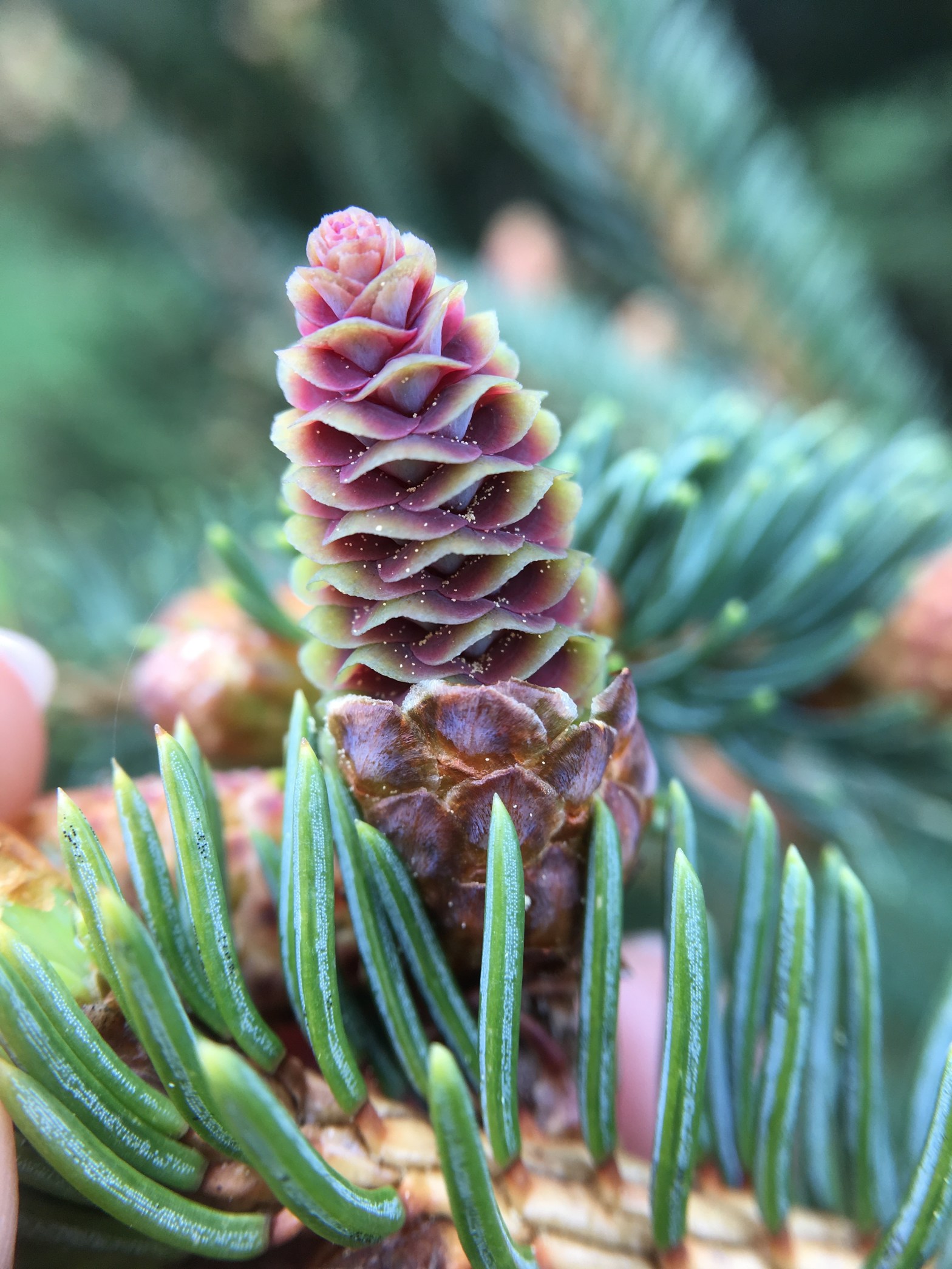
To start with, the basics: conifers are gymnosperms, meaning they don’t have flowers. More specifically, their seeds are not encased within a fruit produced from an ovary. But they do have male and female structures, and they do reproduce through pollination. Above you can see the immature female or seed cone, called the megastrobilus. Below,Continue reading “Pollen Cones, Seed Cones and Pine Candles: Conifers in Spring”
Tag Archives: spring
Photo Highlights: Various Early April Finds
Monoecious? Dioecious? Understanding Maples in Bloom
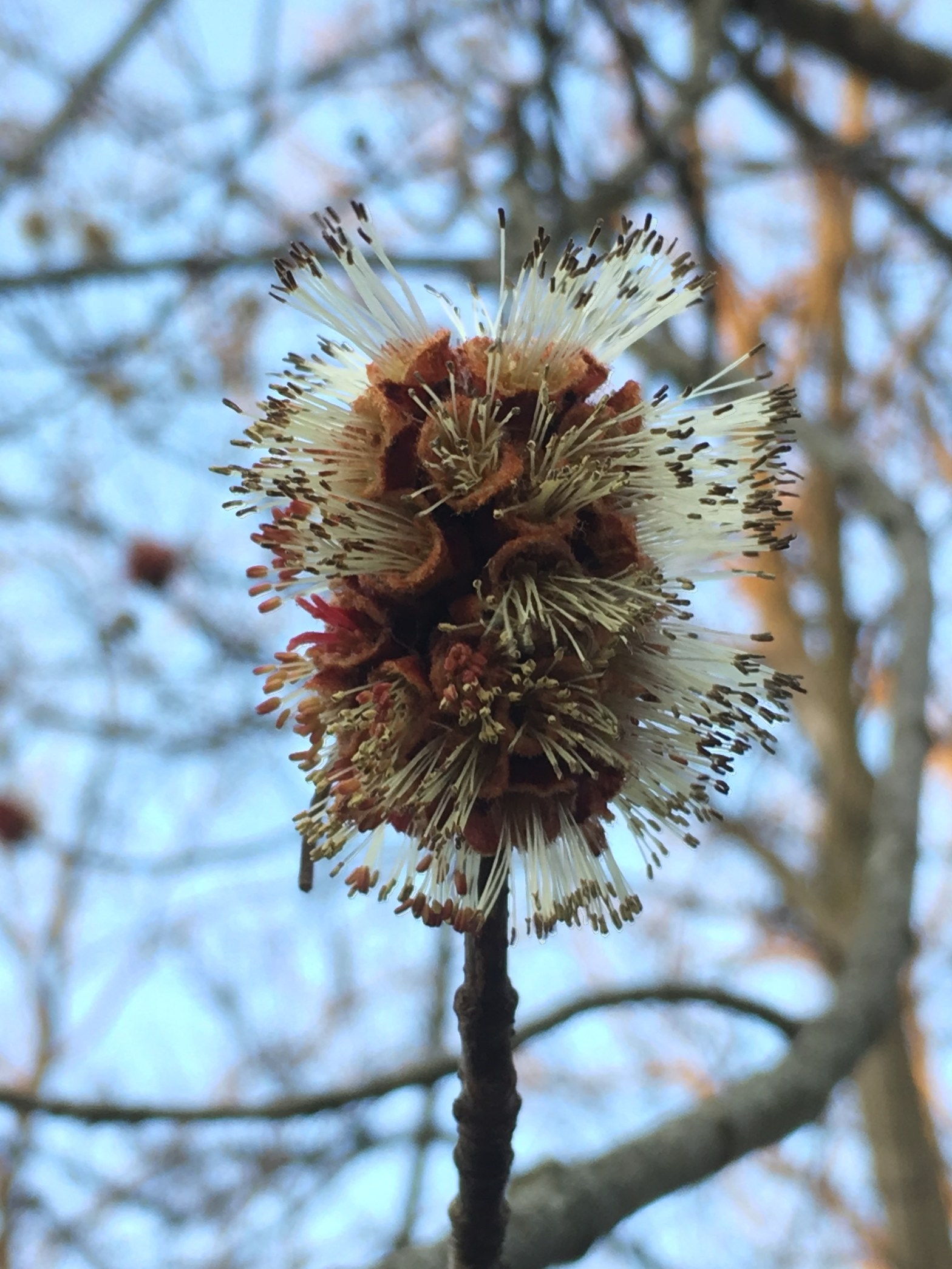
First, a quick explanation of the words in the title above: monoecious vs dioecious. Both of these differ from a third type of flower, the “perfect” flower, or bisexual flower which has both pistils and stamens (an example of this are elms, about which, more in another post). So in both monoecious and dioecious flowersContinue reading “Monoecious? Dioecious? Understanding Maples in Bloom”
Crocus, Snowdrops, and Winter Aconite
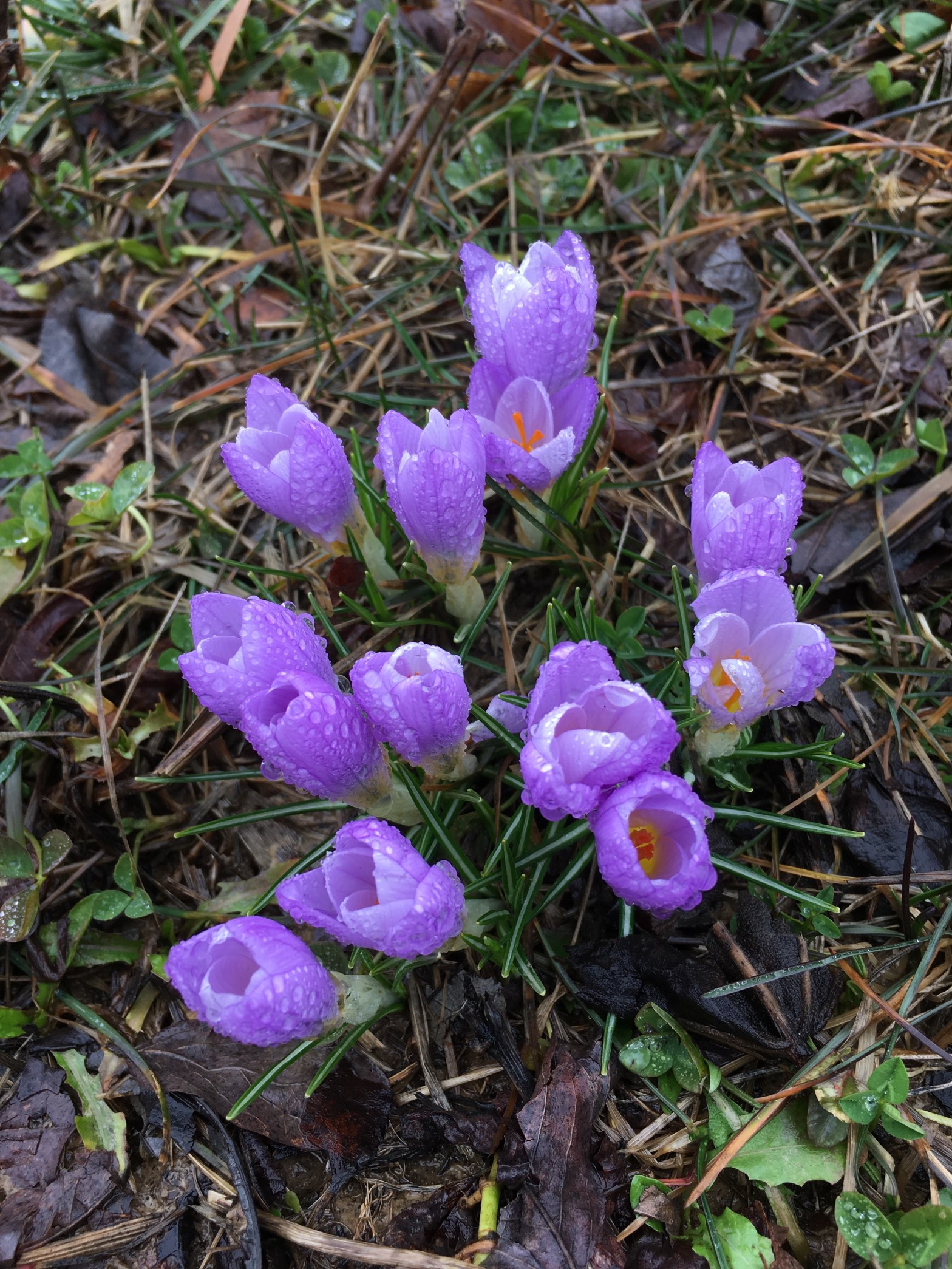
A week ago we had ten inches of snow. There’s still some snow left, piled up along the edges of parking lots, but that hasn’t stopped winter blooming species from taking advantage of the suddenly temperate temperatures. Firstly, above, there are the Crocuses. Something I didn’t know about this genus is that the spice saffronContinue reading “Crocus, Snowdrops, and Winter Aconite”
Best of May: Photos
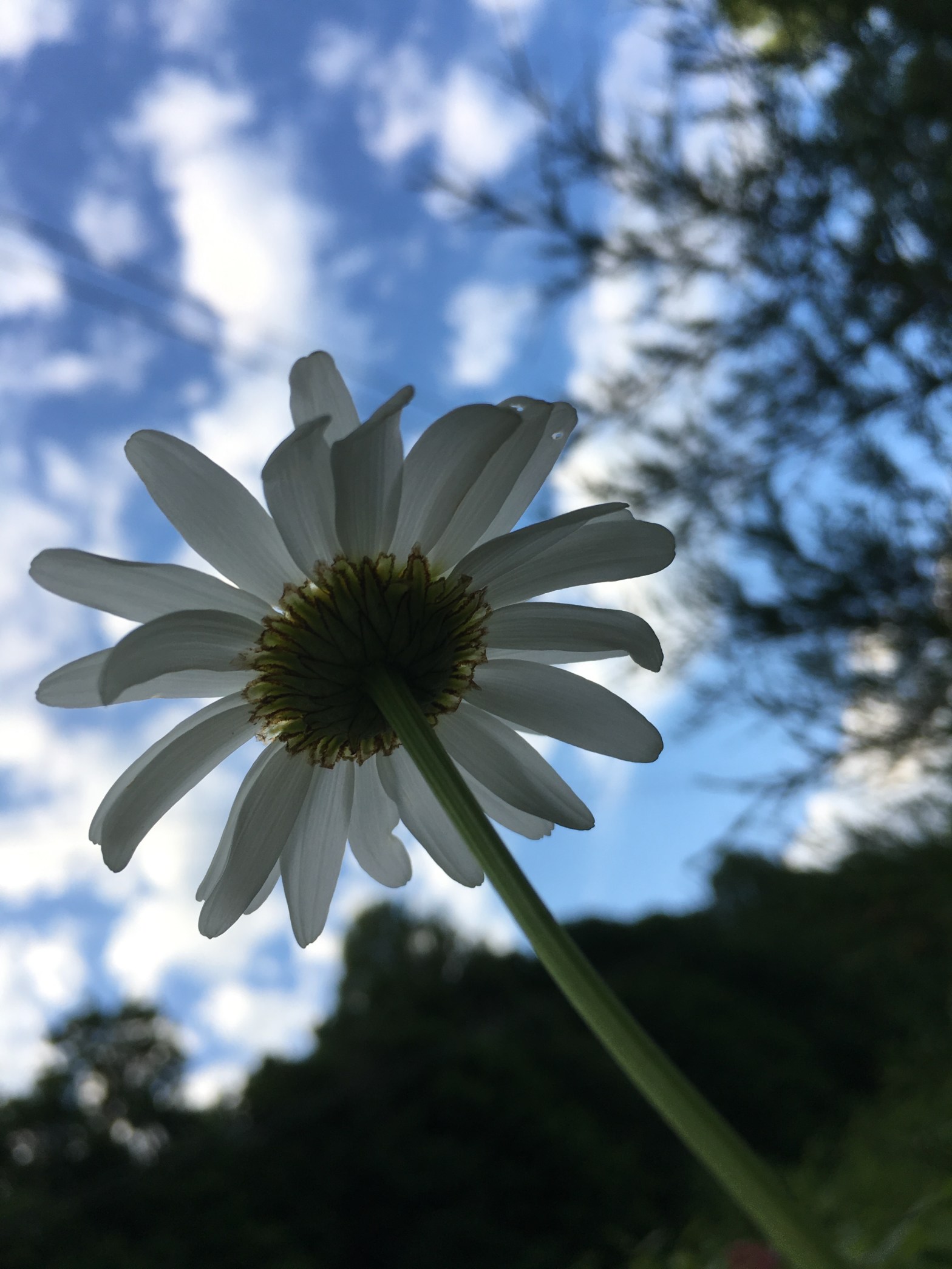
Late Spring, Mushrooms and More!
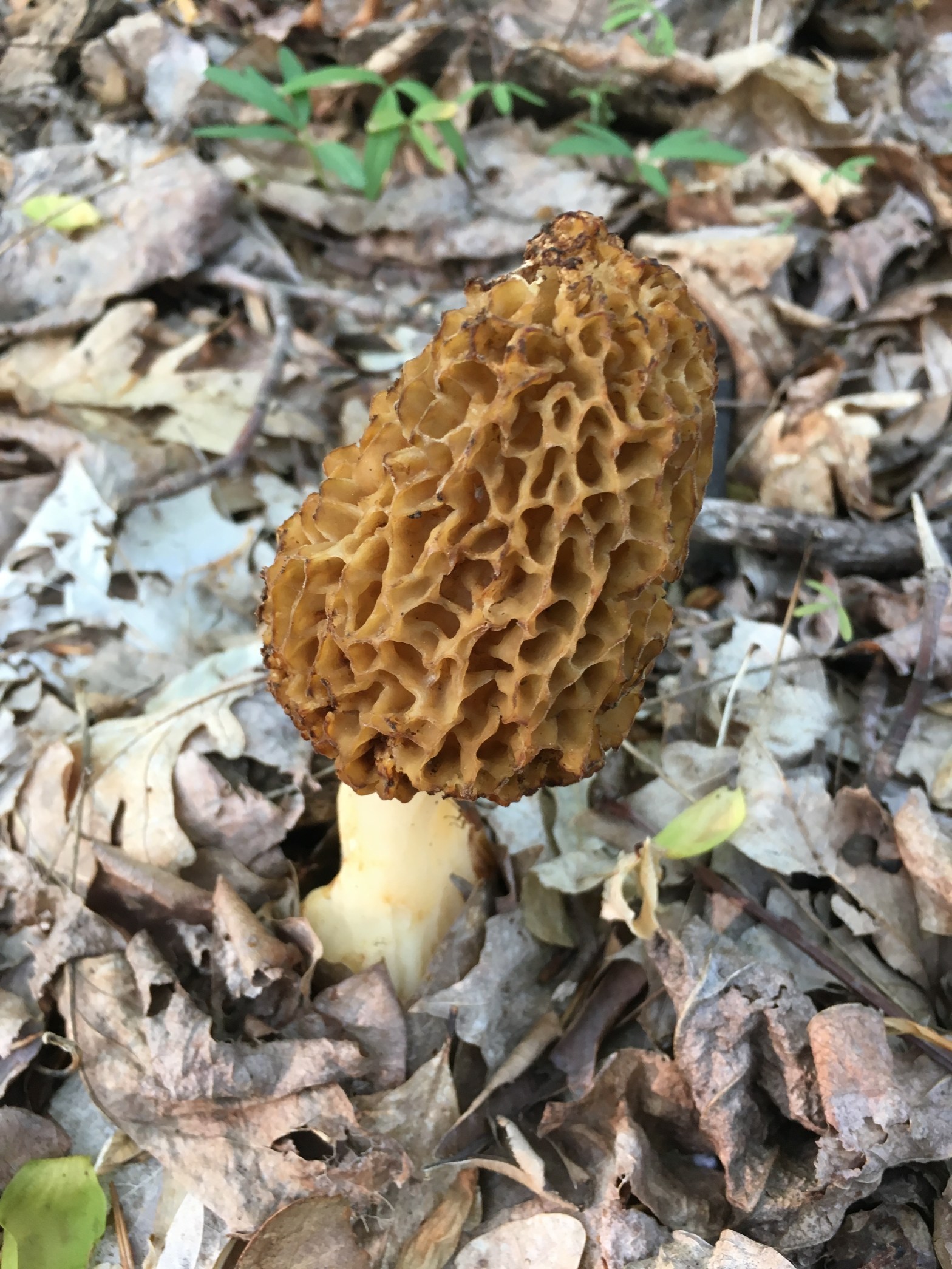
Morel season is in the books, but what we’ve lost in culinary thrill we’ve gained in variety. Has anyone else seen these?
Three Spring Wildflowers

My first Indiana Spring has come and given me a chance to learn some new wildflowers. Above you see one of my favorites, cleft phlox. Below we’ll talk about three more! First up, the yellow trout lily. Called a “trout” lily because its leaves are mottled, or perhaps “dappled,” in a vaguely trout-like way. YellowContinue reading “Three Spring Wildflowers”
Early Spring Photos: Indiana
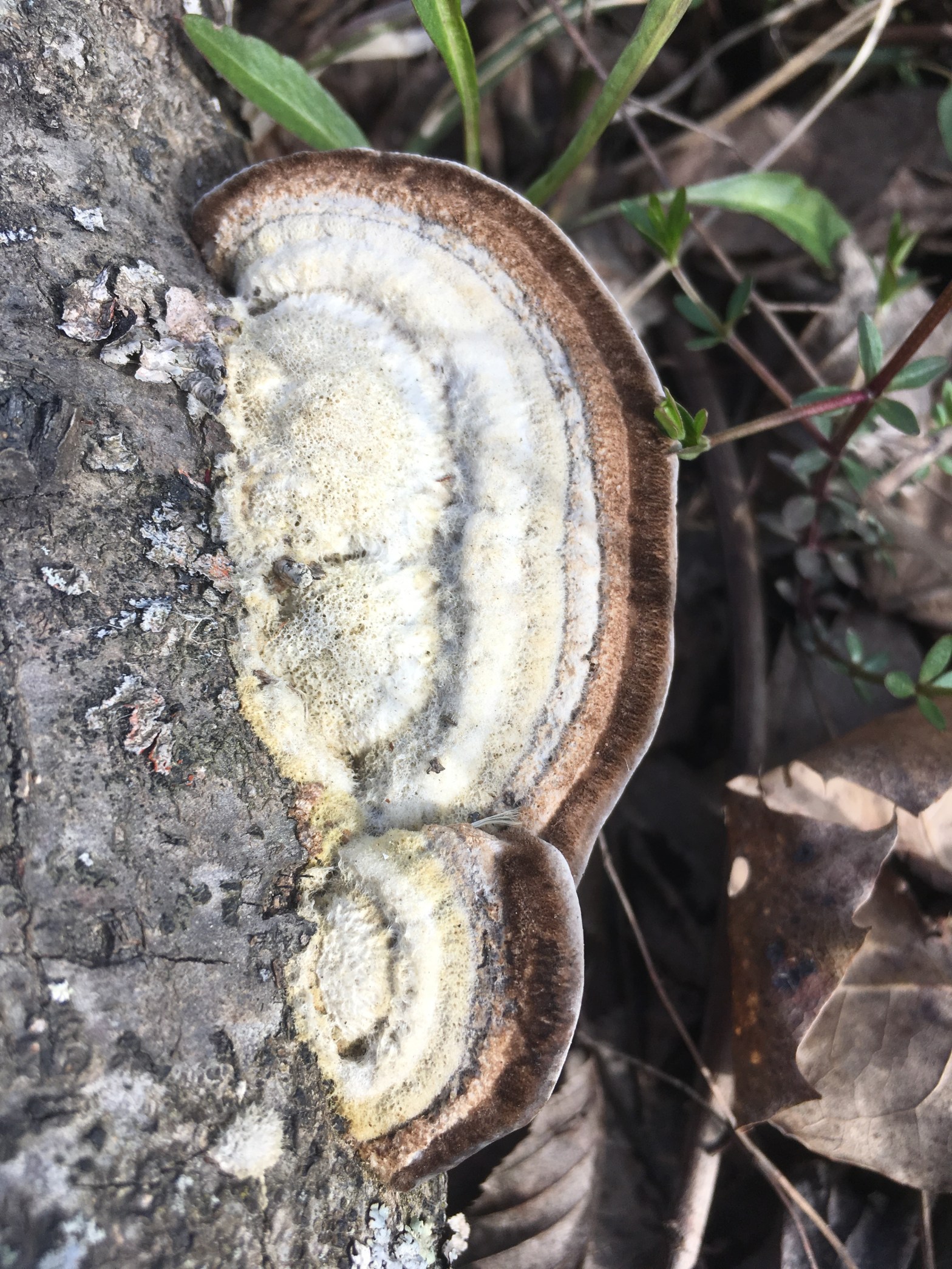
And now for an embarrassing story…the “corn flake mushroom,” as I called it in my head, turns out to be, after months of frustrating research (well, really just hours over the course of a couple months) the extremely common… Crowded Parchment Fungus, considered by mushroomexpert.com to be “the most common, ubiquitous, ever-present, lost-all-luster fungus amongContinue reading “Early Spring Photos: Indiana”
 recycled paper clips