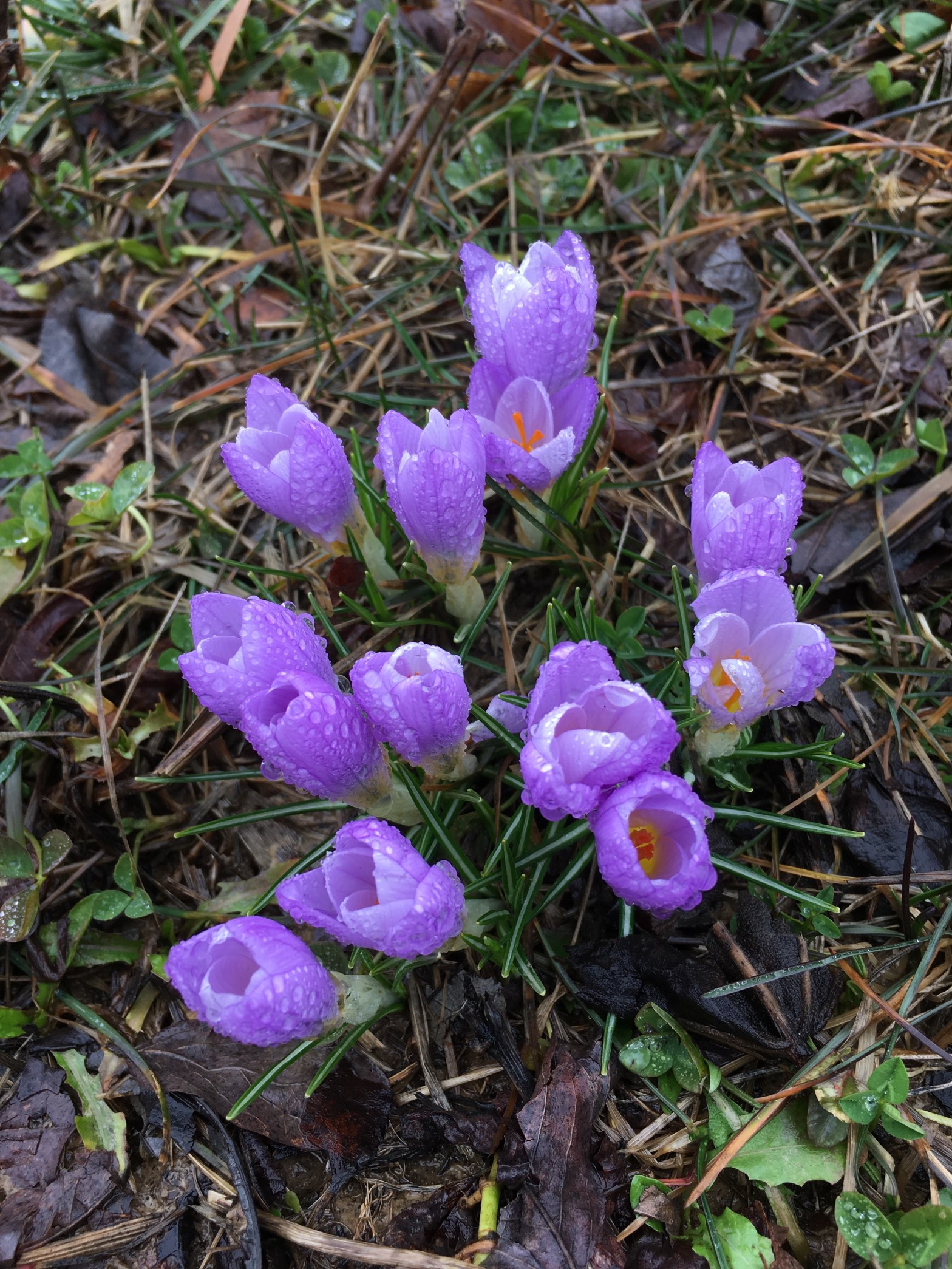
A week ago we had ten inches of snow. There’s still some snow left, piled up along the edges of parking lots, but that hasn’t stopped winter blooming species from taking advantage of the suddenly temperate temperatures. Firstly, above, there are the Crocuses. Something I didn’t know about this genus is that the spice saffronContinue reading “Crocus, Snowdrops, and Winter Aconite”
Category Archives: hiking
What is Winter Creeper?
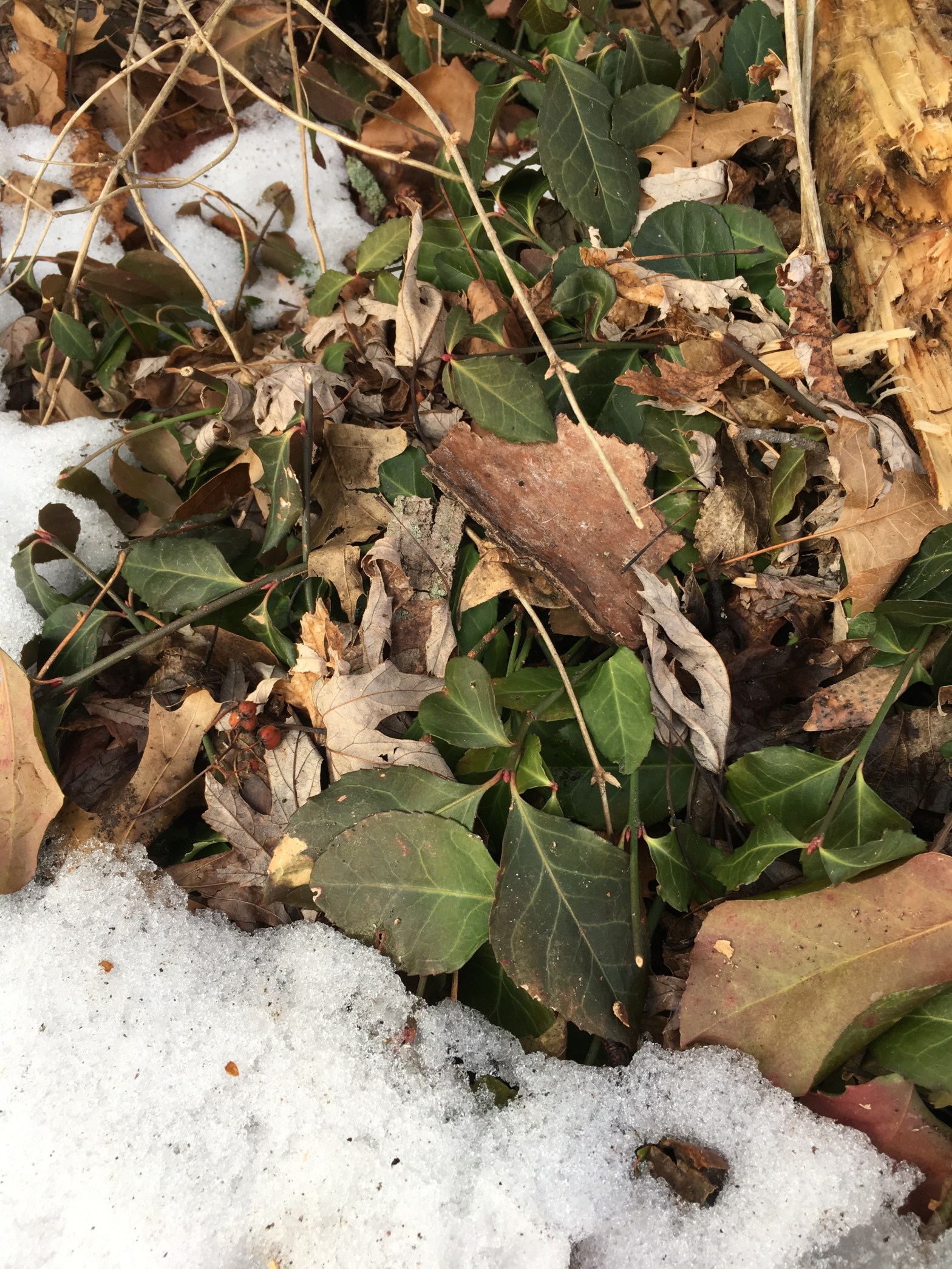
Winter creeper, also known as Fortune’s spindle—not because it has anything to do with luck, but because the first European to classify it was named Robert Fortune—is a highly invasive shrub/vine which can smother trees to death. It’s everywhere in my neighborhood. In a totally unscientific way, I’d estimate it has infested 1 in 5Continue reading “What is Winter Creeper?”
Rounding a Corner
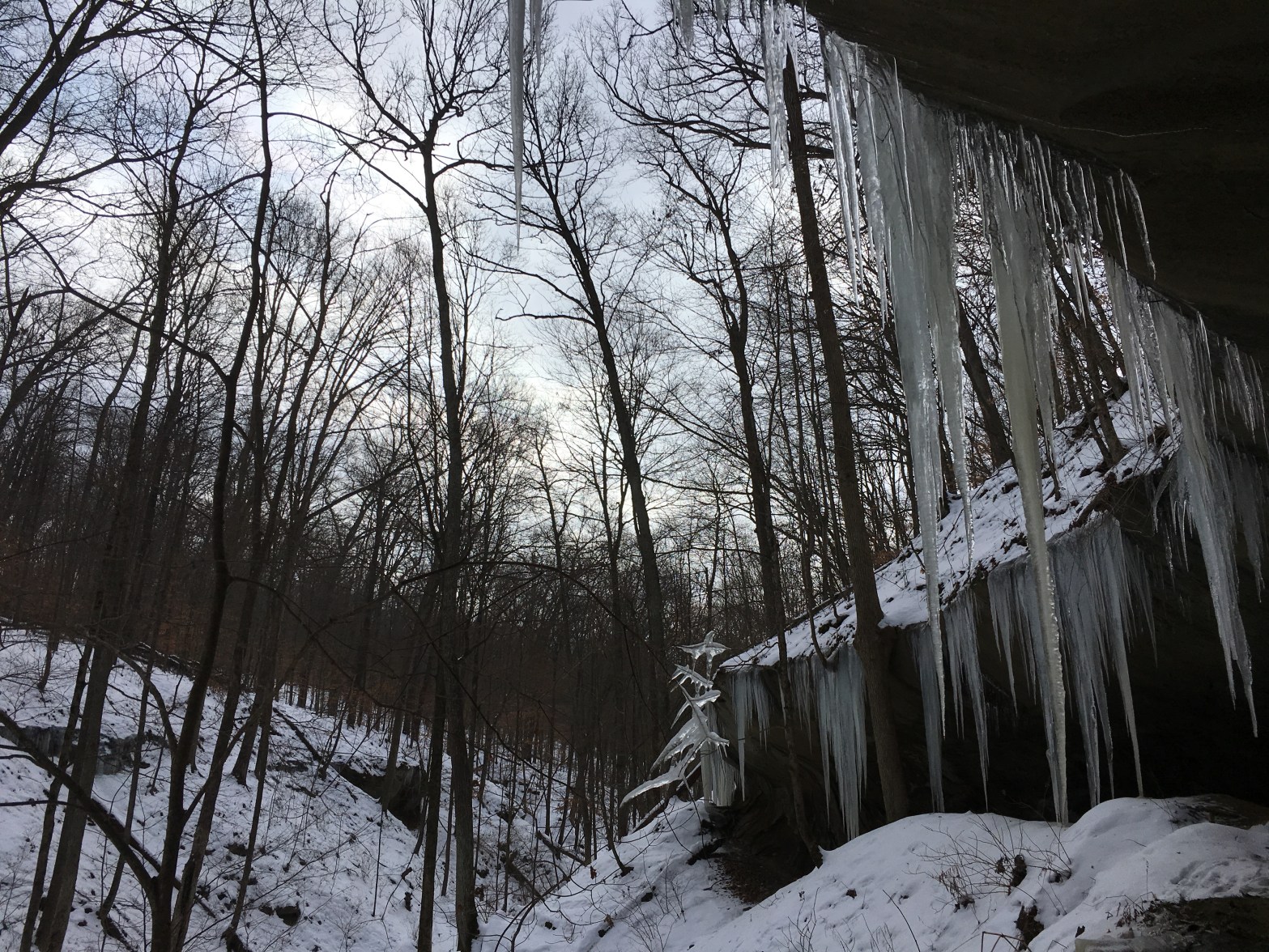
Yesterday I think we rounded a corner on spring. In honor of the winter we are (hopefully?) leaving behind, I’d like to share some photos…and talk about birds. In addition to these photos I’d like to present some audio (the pictures in the video’s below aren’t mine). These are the songs I’ve heard the mostContinue reading “Rounding a Corner”
Why don’t trees freeze? Ice nucleation and winter photos.
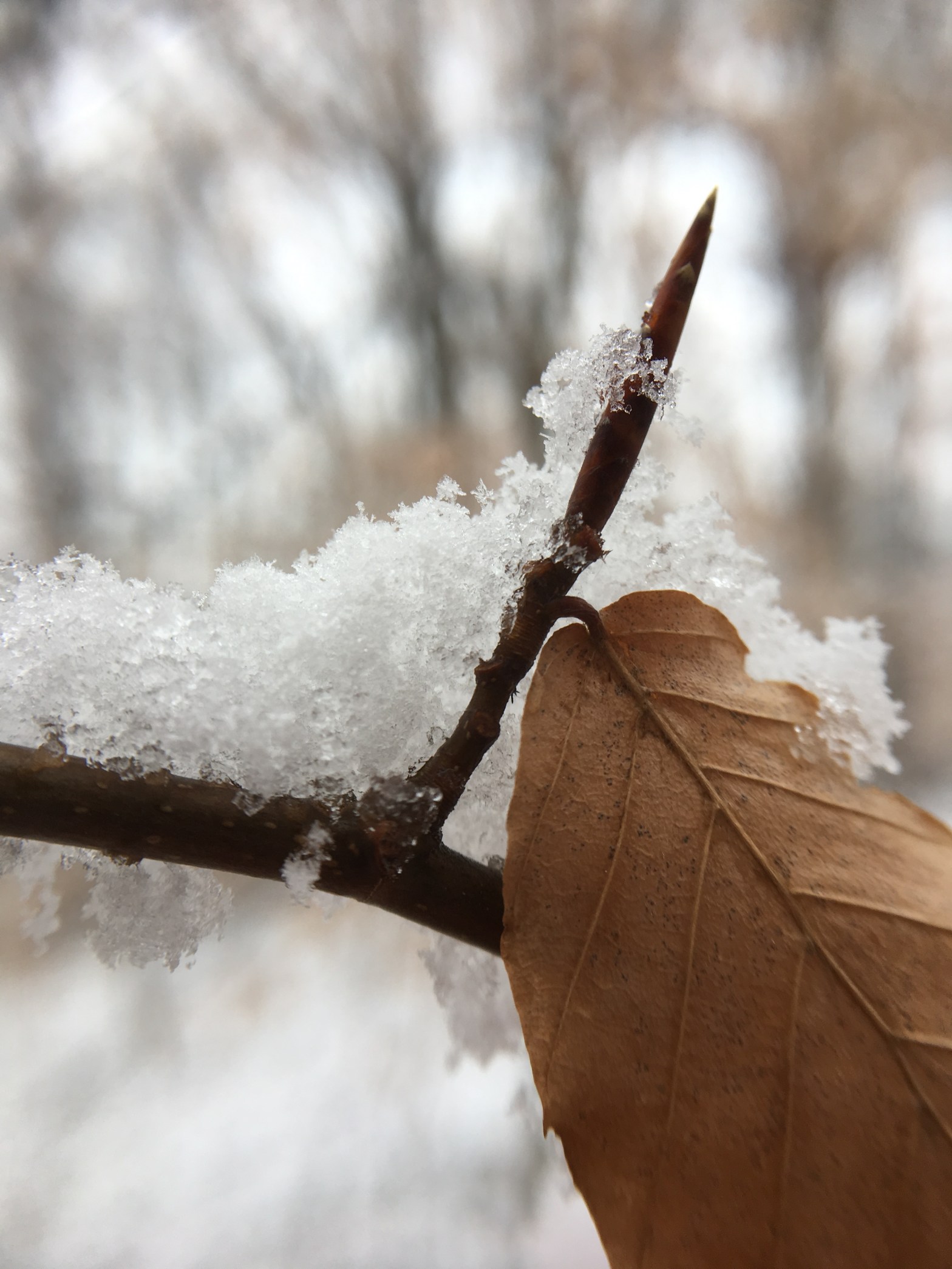
Did you know that pure water droplets remain liquid until -37 degrees C (-34 F)1? This is because ice has to form around something, usually dust or tiny particulate matter in the atmosphere2. Trees exploit this fact to avoid internal ice damage during the winter. Trees produce proteins which attract ice formation (called ice nucleators)Continue reading “Why don’t trees freeze? Ice nucleation and winter photos.”
Buds of the Walnut Family
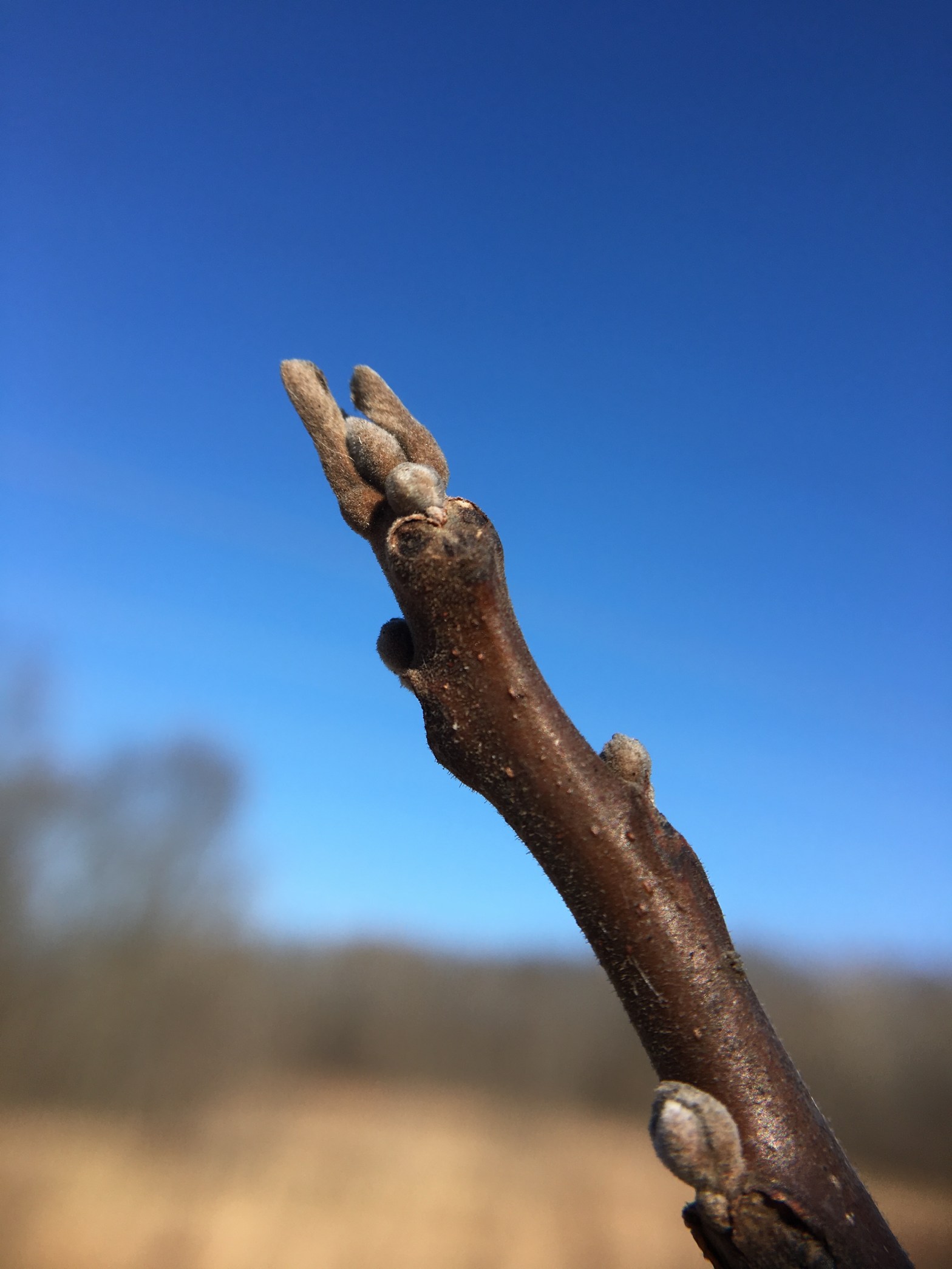
The walnut family, the Juglandaceae, have large, fuzzy buds (at least the ones in Indiana). I could be wrong, but I bet there’s a connection between the typically large, almost floral buds of walnuts and hickories and the fact that these trees have large, compound leaves—Black Walnut leaves can be up to 2 feet long,Continue reading “Buds of the Walnut Family”
Tracks
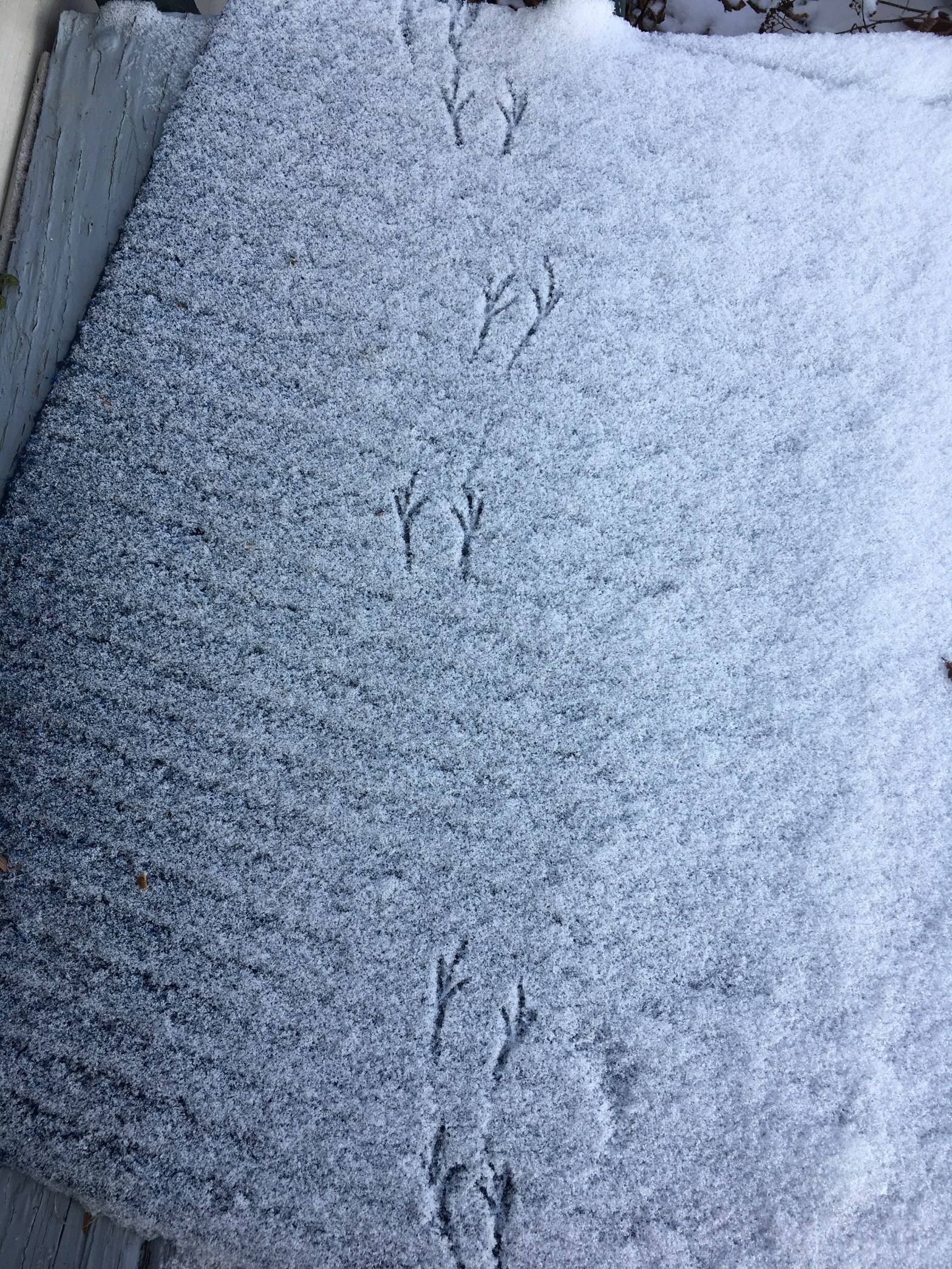
Beautiful snow this morning in Bloomington. Signatures of the neighborhood animal life. In the cat tracks above, notice how the back feet land almost directly on top of the front. In animal tracking this is called “direct register,” and is typical of cats and foxes. For more tracking terms check out this link. Cottontail rabbitsContinue reading “Tracks”
The Fight for Indiana Wetlands
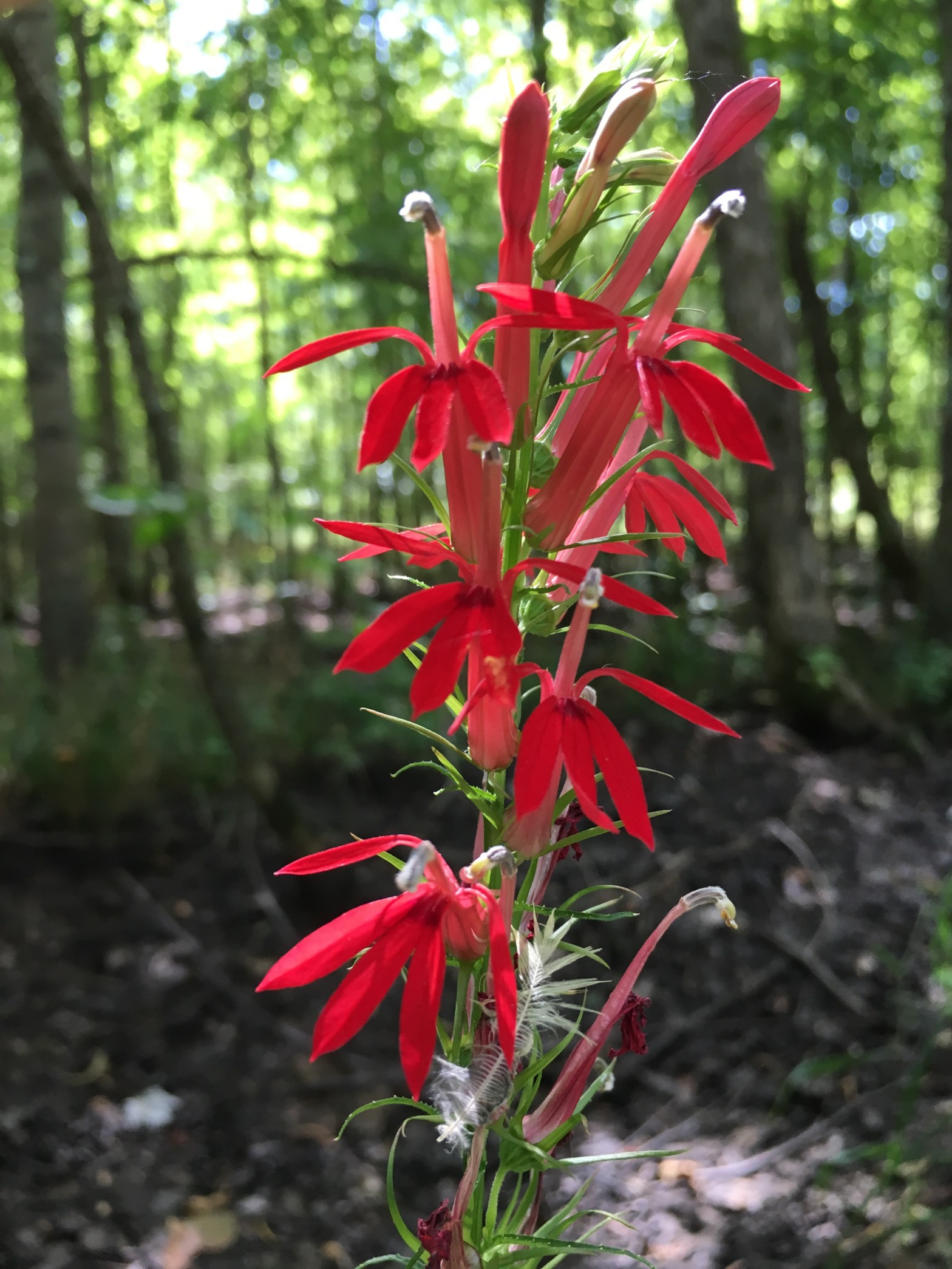
Tomorrow, SB 389 will be heard by the Indiana Senate Environmental Affairs Committee. The bill would categorically eliminate protection for state wetlands by repealing the 2003 state wetlands law. For the past 17 years, whenever a project is planned that will impact a state wetland (otherwise known as an “isolated” wetland, as opposed to aContinue reading “The Fight for Indiana Wetlands”
Essential Mushrooms: The Brick Cap
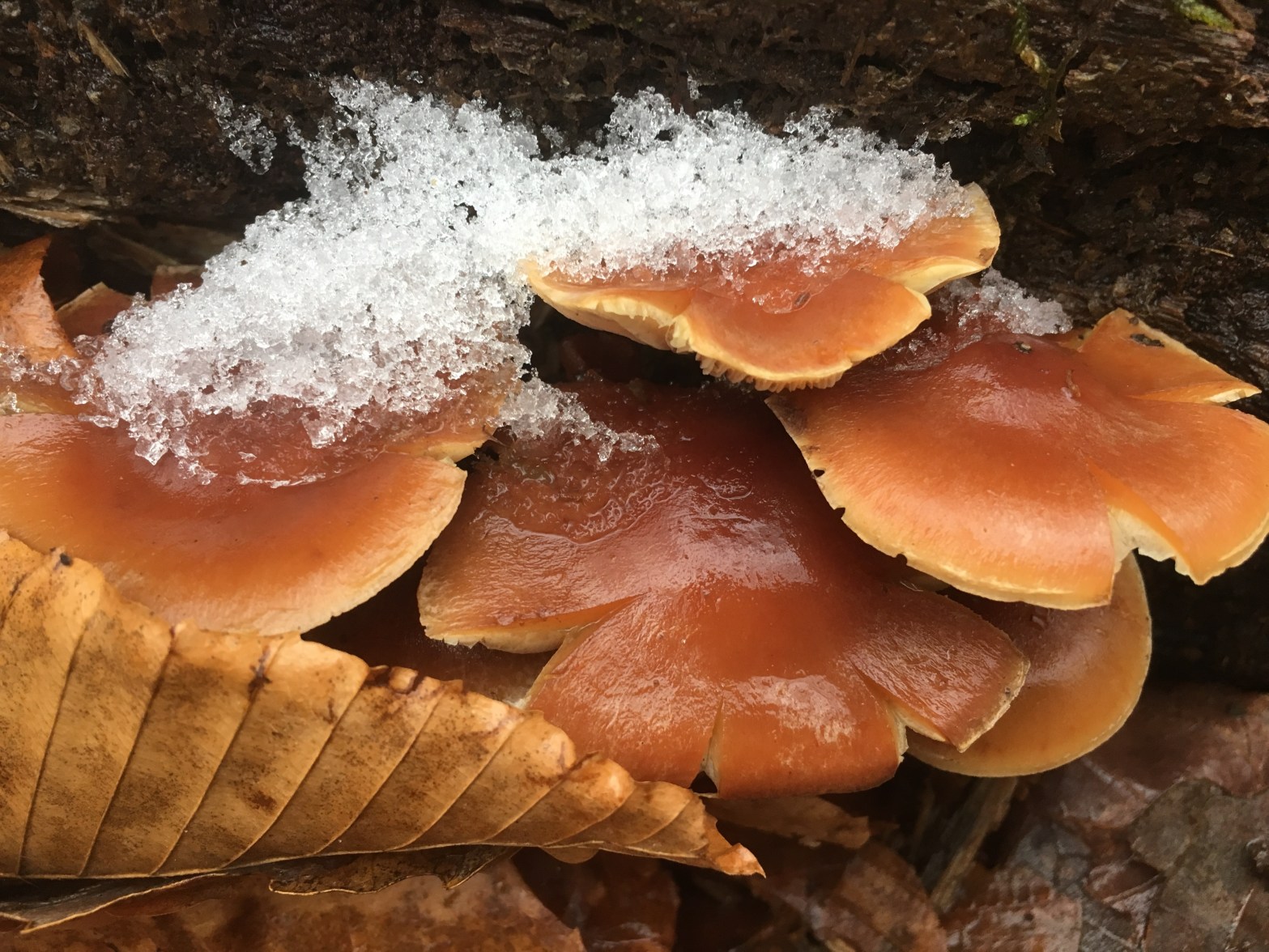
Let’s take a close look at these guys! They are called Brick caps because of the color. The margins tend to be lighter, and sometimes have white tufts of fiber remaining from the partial veil. They grow in clusters from decaying hardwoods. The stipe is lighter above and more reddish below, and often twisted becauseContinue reading “Essential Mushrooms: The Brick Cap”
Winter Tree ID: Bitternut Hickory

Redbuds are not the only tree named in reference to their buds. Bitternut hickory is also called yellowbud hickory, which to me is a more useful name, since I rarely pick up, pry open, and taste the squirrel-neglected nuts I find on the ground. On the other hand, it’s only during this half of theContinue reading “Winter Tree ID: Bitternut Hickory”
Winter Tree ID: Buds
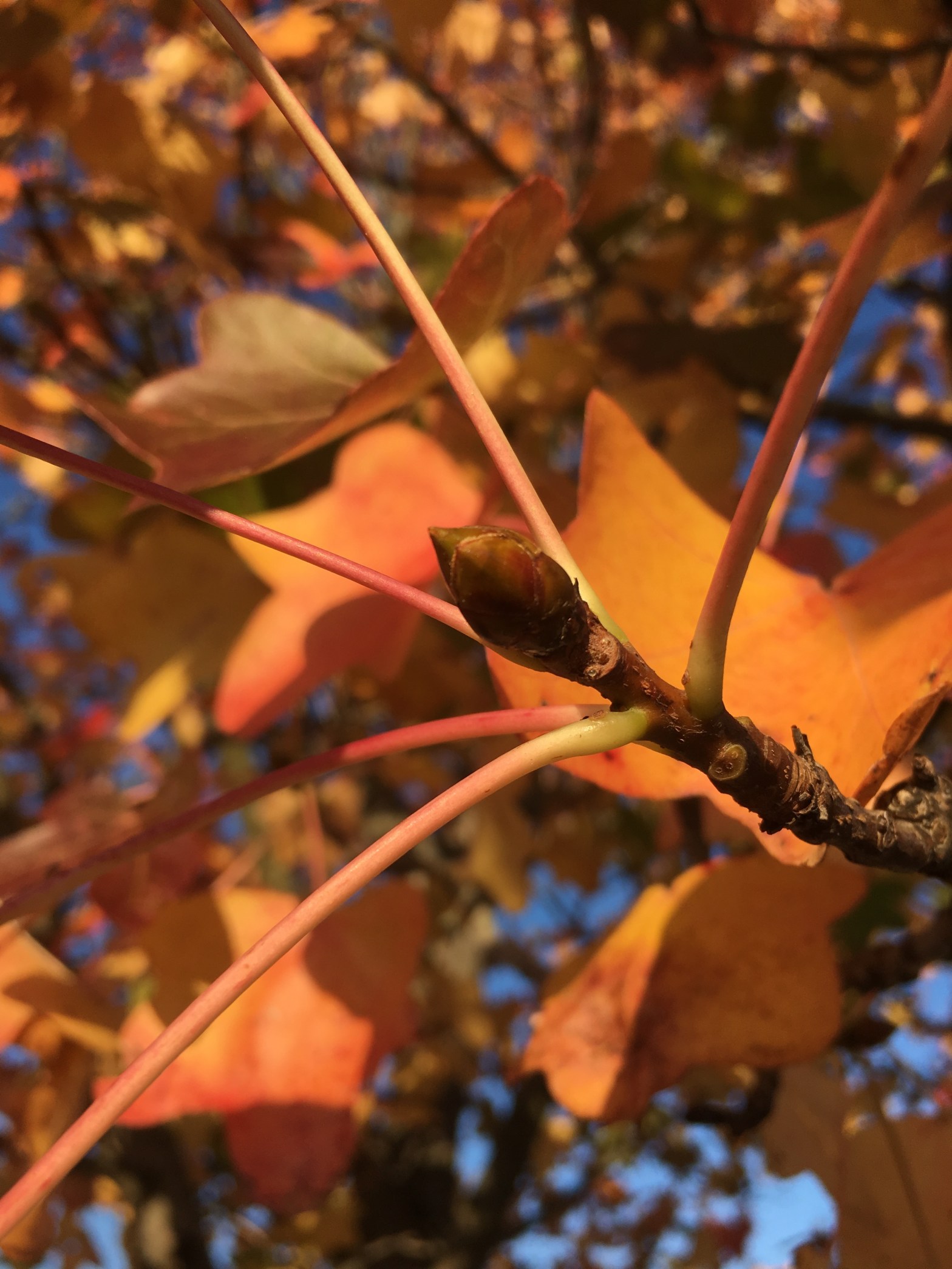
I’ve written before about using bark to identify trees in the winter, but sometimes bark can be ambiguous and it helps to have another tool up your sleeve. Knowing a bit about buds just gives you that much more evidence to go on. One of the first things looking at buds will tell you isContinue reading “Winter Tree ID: Buds”
 recycled paper clips