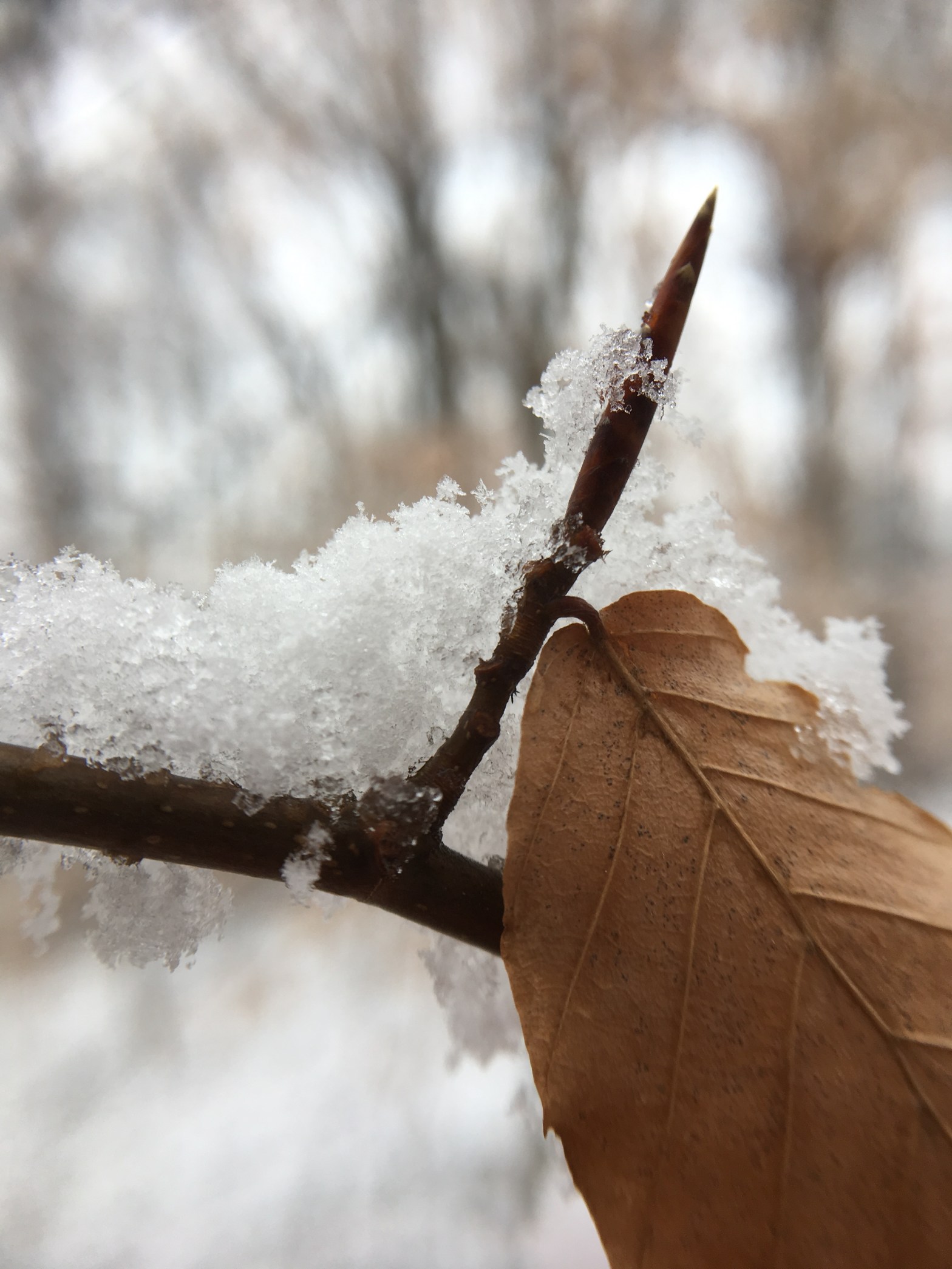
Did you know that pure water droplets remain liquid until -37 degrees C (-34 F)1? This is because ice has to form around something, usually dust or tiny particulate matter in the atmosphere2. Trees exploit this fact to avoid internal ice damage during the winter.
Trees produce proteins which attract ice formation (called ice nucleators) and position them outside cell walls. It’s a sort of reverse Trojan horse strategy. Freezing cold water is drawn out of the cells onto the ice nucleators, leaving the inside of the cell with much higher concentrations of sugar. This lowers the freezing point of the water in the cells and makes the sap much thicker and sugary (hence prime for syrup).
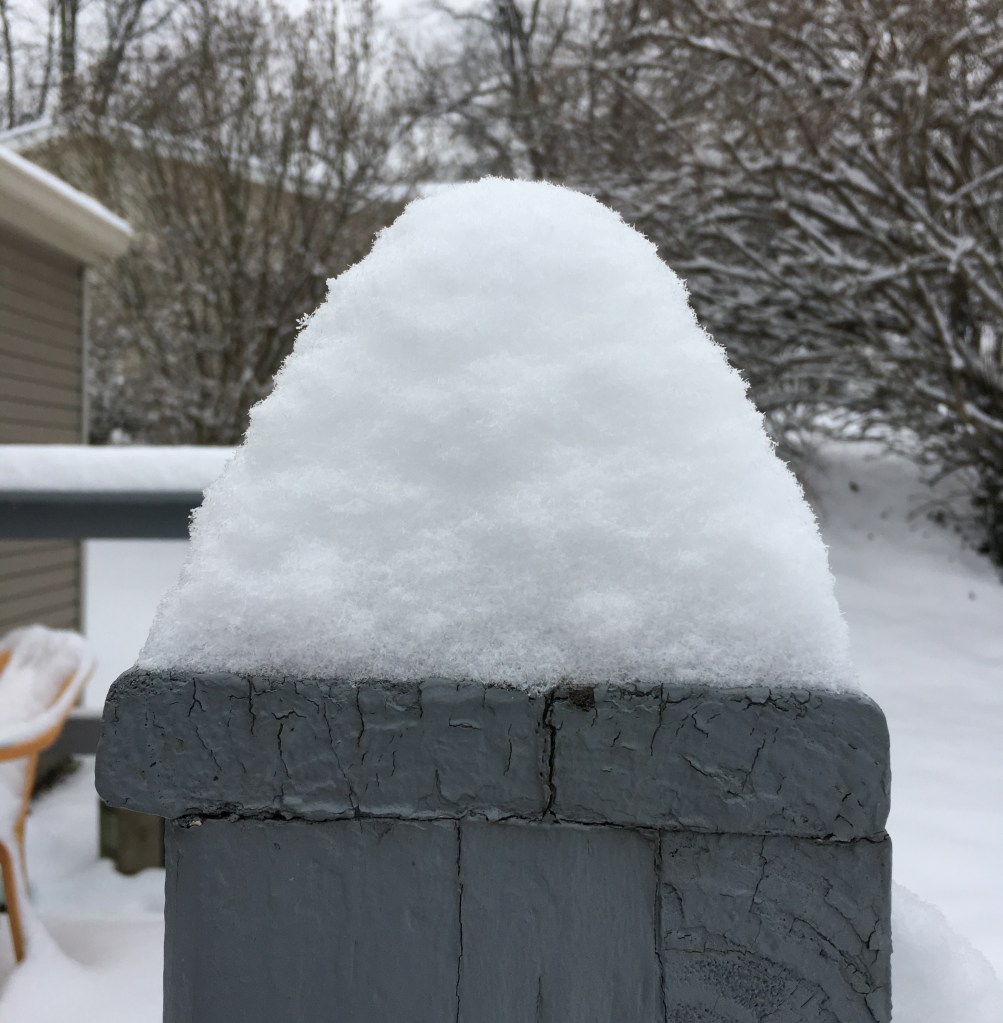
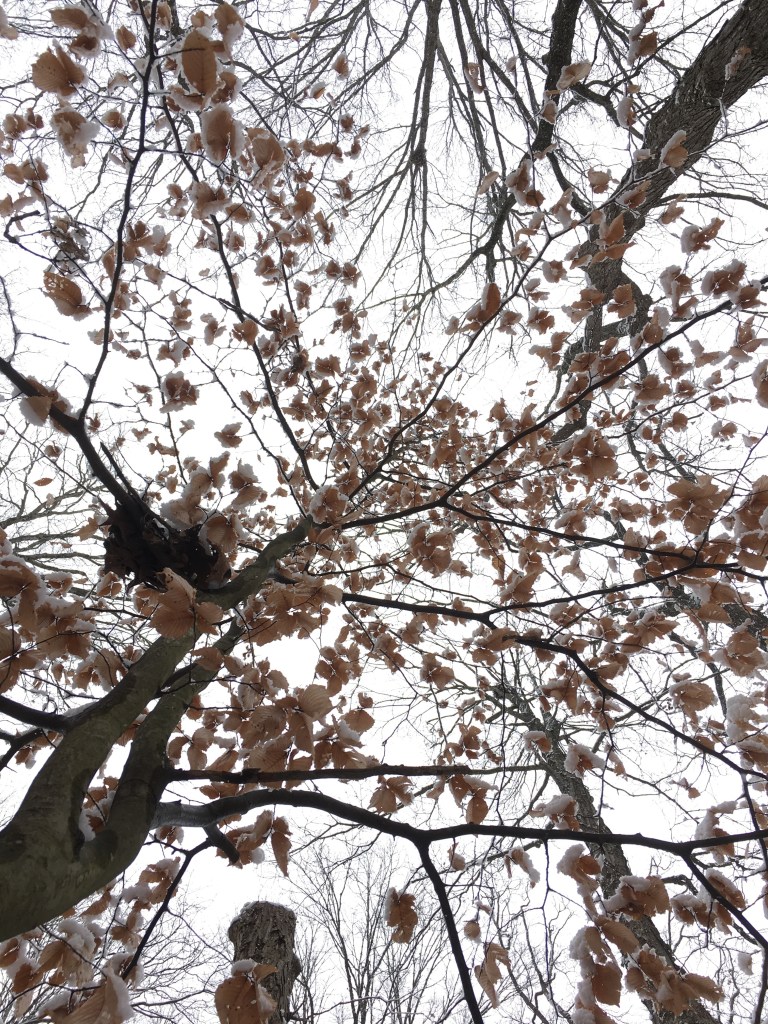
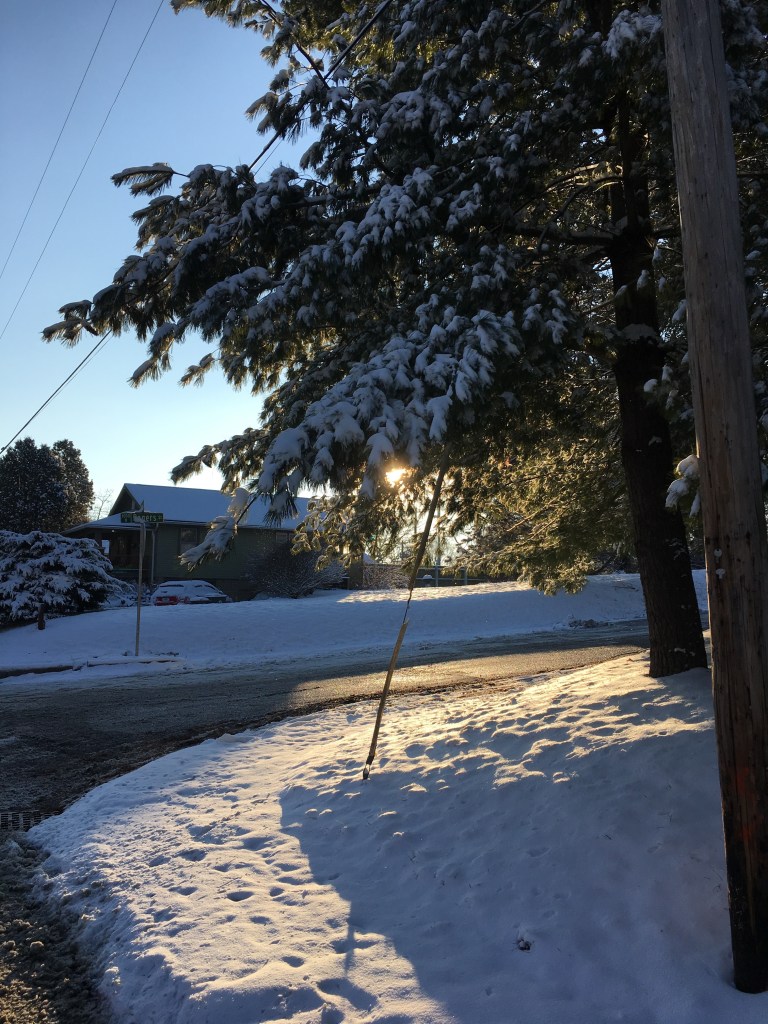
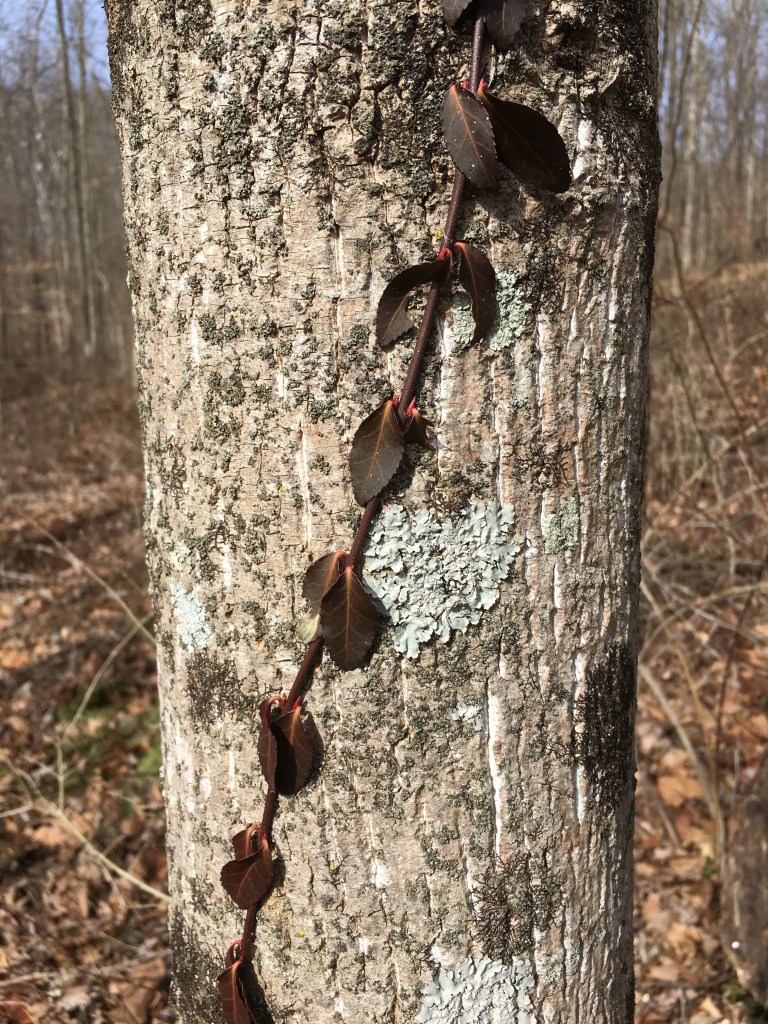
On the topic of the cold, here are some photos:



One thought on “Why don’t trees freeze? Ice nucleation and winter photos.”