This is an unusual topic for me to take up in this blog. For the most part, I write about plants and fungi, occasionally books and movies. But today, for some reason, I feel like taking up a psychological concept, “over-monitoring,” which I’ve encountered in Alice Boyes’s book The Anxiety Toolkit. I took up thisContinue reading “Over-monitoring and “The Anxiety Toolkit””
Author Archives: recycledpaperclips
Three Swampy Species: The Cardinal Flower, Buttonbush, and Arrowhead
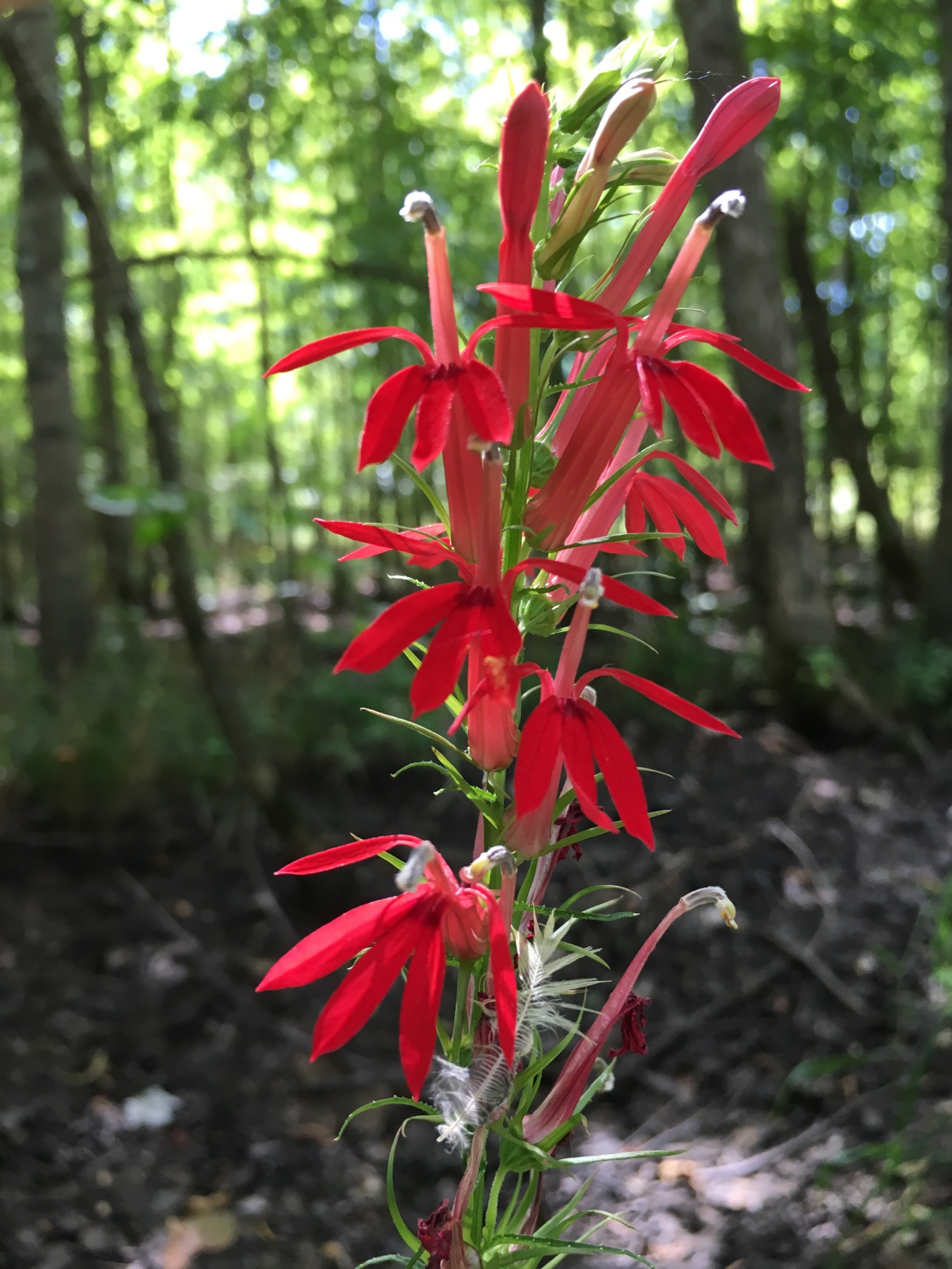
In Indiana at least, forests are actually one of the best preserved habitats. Forests are “multiple-use” spaces — they can be used for hunting, logging, and hiking — and so there is an economic incentive to preserve them. In contrast, wetlands tend to be less well preserved because they don’t produce a salable product likeContinue reading “Three Swampy Species: The Cardinal Flower, Buttonbush, and Arrowhead”
Mushroom Lingo #9: Polypore
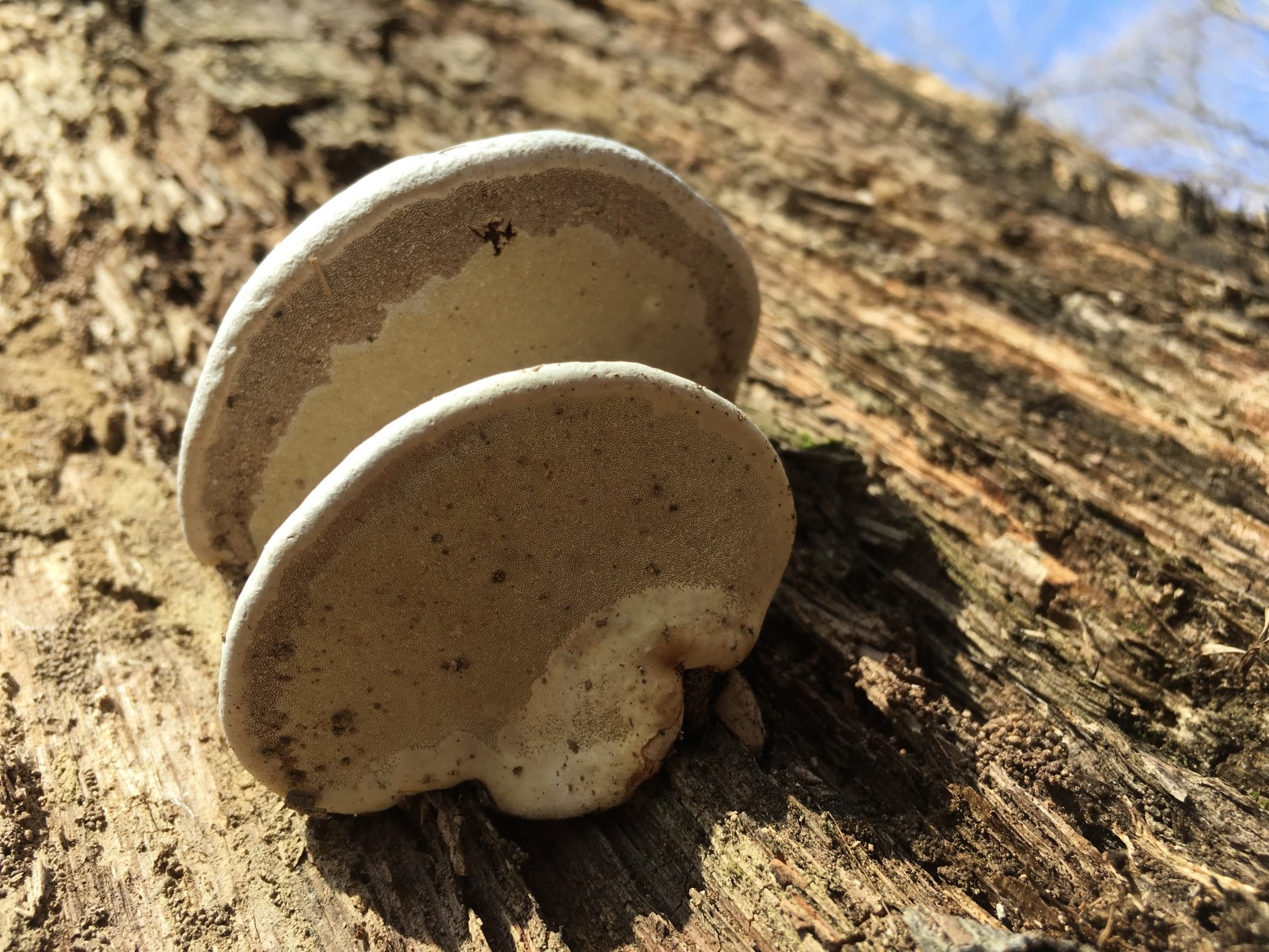
A polypore is just a mushroom with a lot of pores, right? Not quite. Boletes are pored mushrooms, for example, and yet are not polypores. Lenzites betulina doesn’t have pores — it has gills! — and yet it is considered a polypore. What’s going on? As so often with things mushroomy, there isn’t a clearContinue reading “Mushroom Lingo #9: Polypore”
Mushroom Lingo #8: Parasites (and Rhizomorphs)
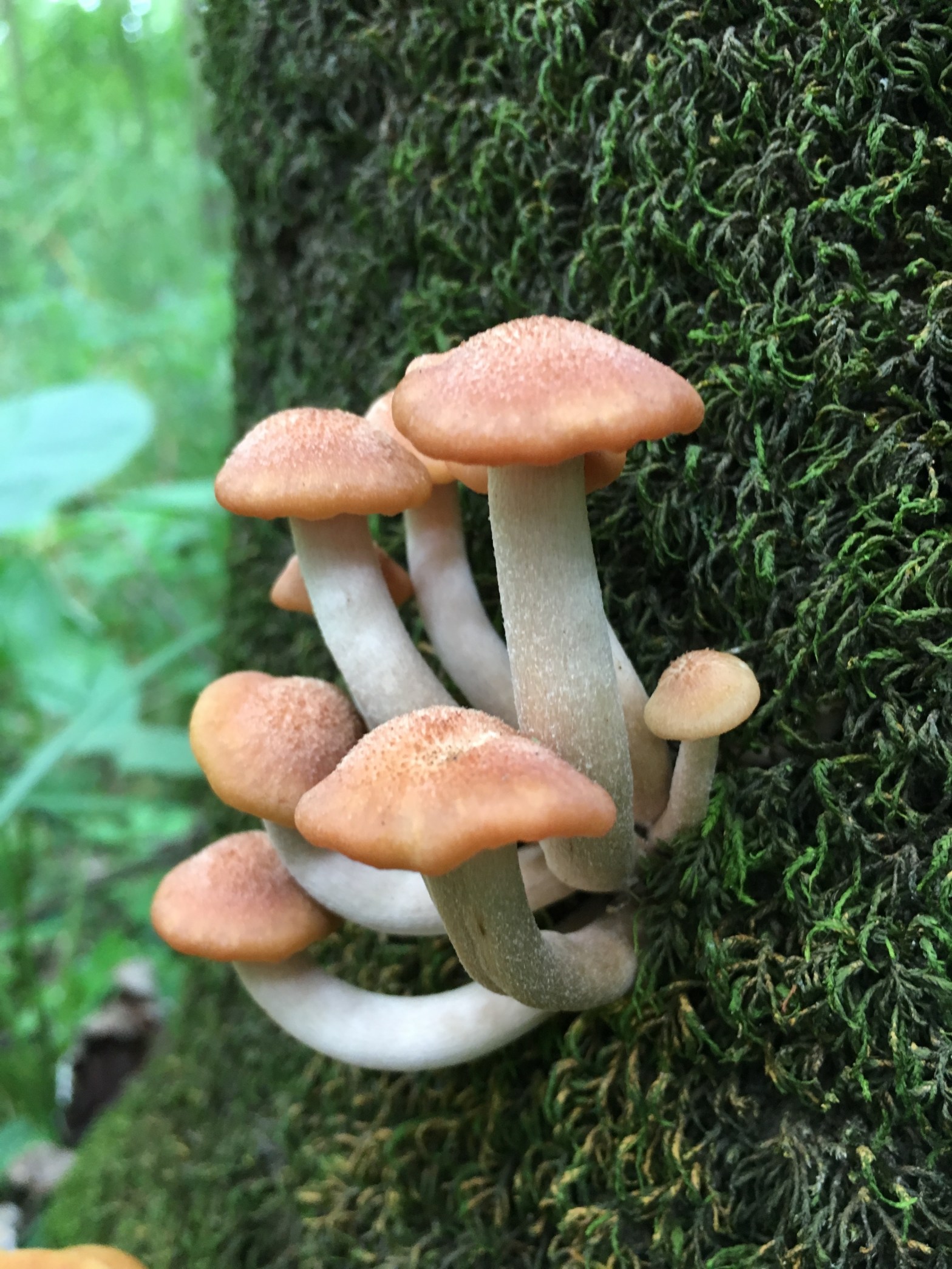
This one’s not too hard to figure out. In contrast to saprobic fungi, parasitic fungi feed on living organisms, whether those are trees, other fungi, or even insects—as is the case with the famous Cordyceps militaris (see Planet Earth: https://www.youtube.com/watch?v=XuKjBIBBAL8) Trees undoubtedly bear the brunt of fungal parasitism, however. These parasites are often specific toContinue reading “Mushroom Lingo #8: Parasites (and Rhizomorphs)”
Meet the Pin Oak
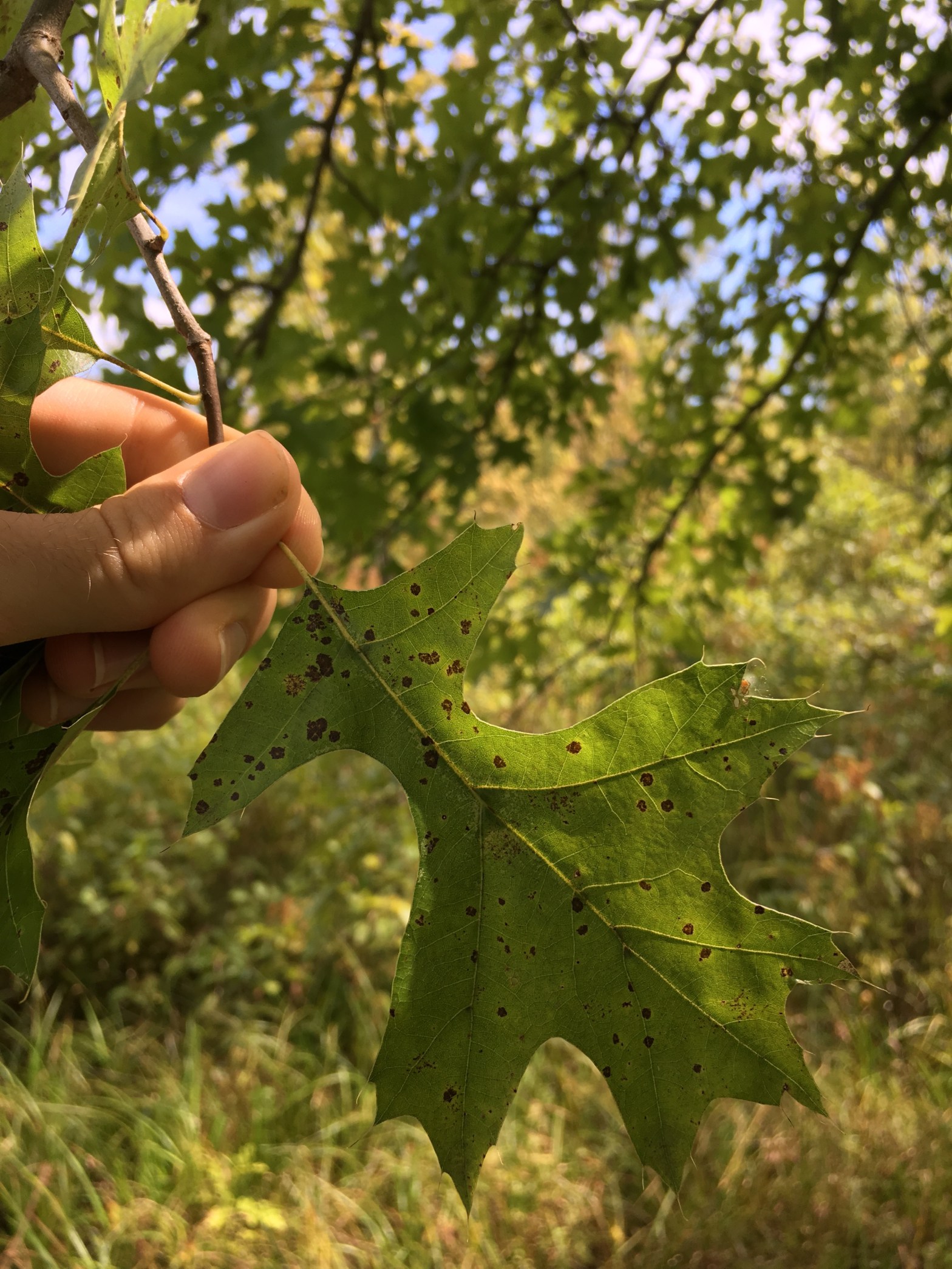
As it naturally occurs, the Pin Oak is a bottomlands tree. It grows on poorly drained, high-clay content soils, with dormant season flooding. The latin epithet palustris in Quercus palustris means something like “of swampy areas,” and it can be readily identified in the wild on the basis of its habitat. Other red oaks, likeContinue reading “Meet the Pin Oak”
Mushroom Lingo #7: Mycorrhizal
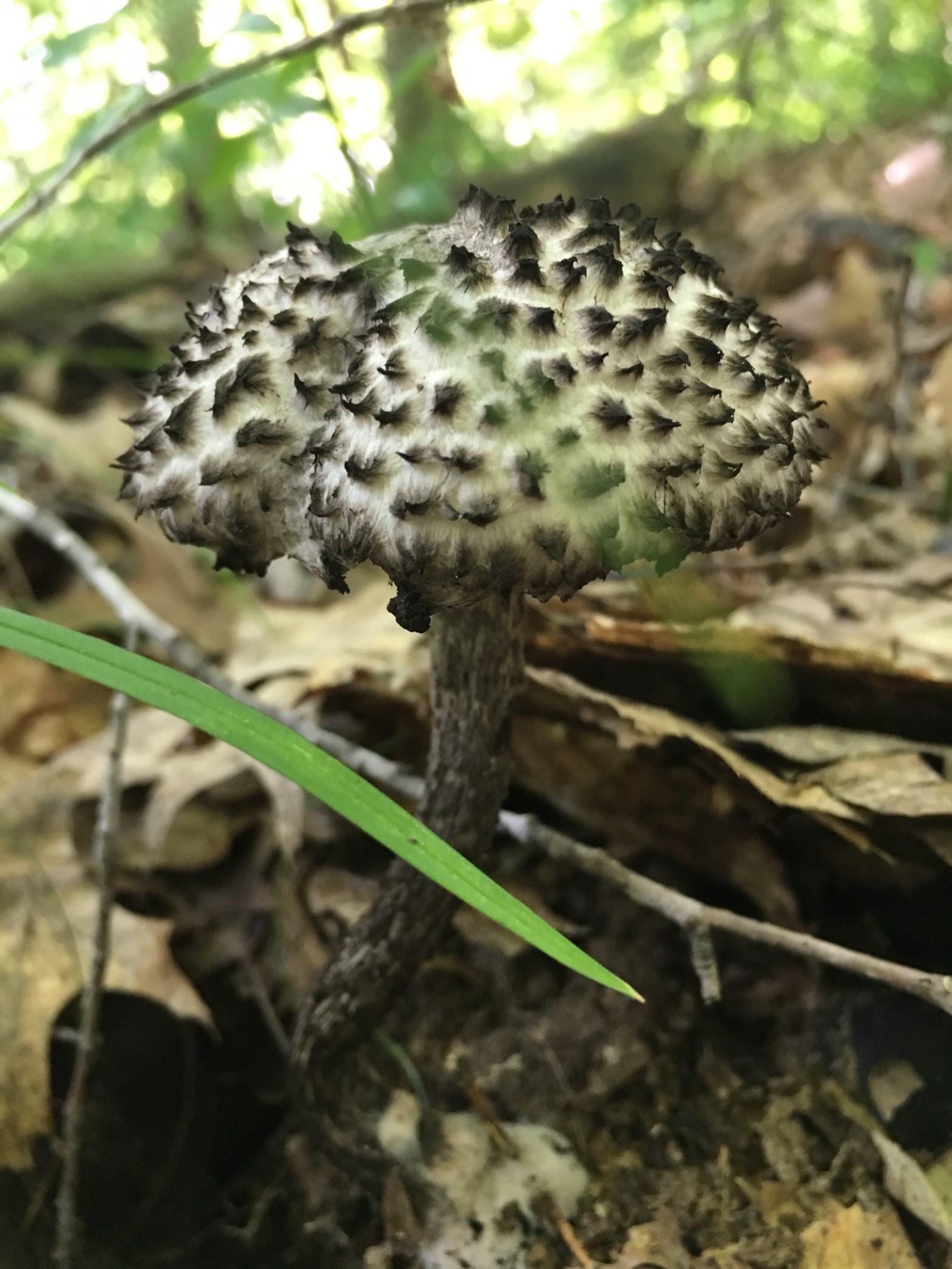
Like “veil,” this word is always a spelling challenge for me, although probably with better reason. Mycorrhizal is pronounced “MY-ko-RYE-zal.” It comes from the Greek words for fungus (“myco”) and root (“rhiza”). A mushroom is mycorrhizal, as opposed to saprobic or parasitic, when it depends on a symbiotic relationship with a plant for survival. InContinue reading “Mushroom Lingo #7: Mycorrhizal”
Mushroom Lingo #6: Saprobic
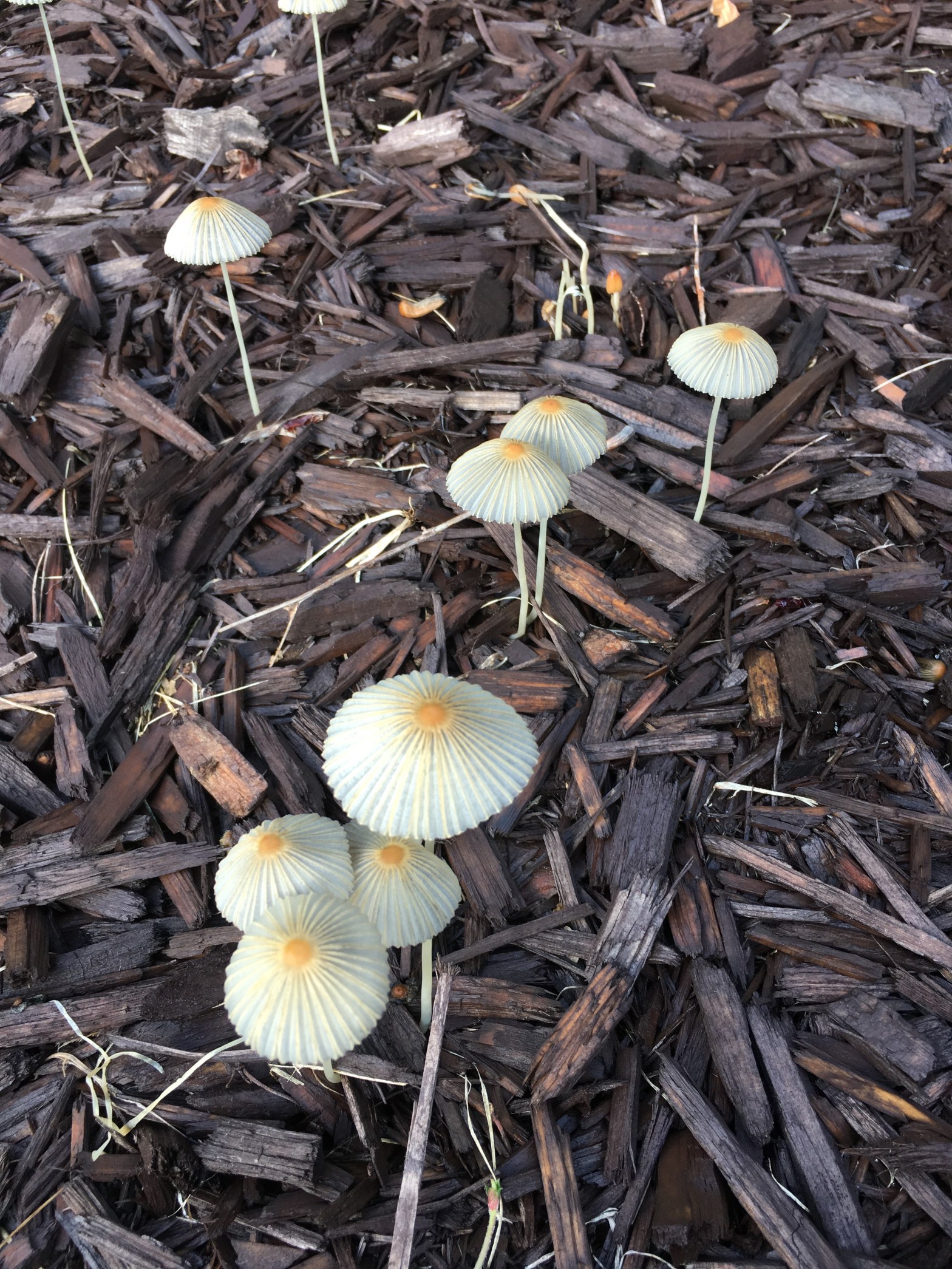
A mushroom is saprobic if it survives by decomposing dead organic matter. This separates it from parasitic fungi (who feed on living organic matter) and mycorrhizal fungi, which receive sugars from trees in exchange for certain nutrients. Many urban mushrooms are saprobic. For example, the parasols above, which are decomposing the wood chips in myContinue reading “Mushroom Lingo #6: Saprobic”
Photo Recap: My First Online Mushroom Foray
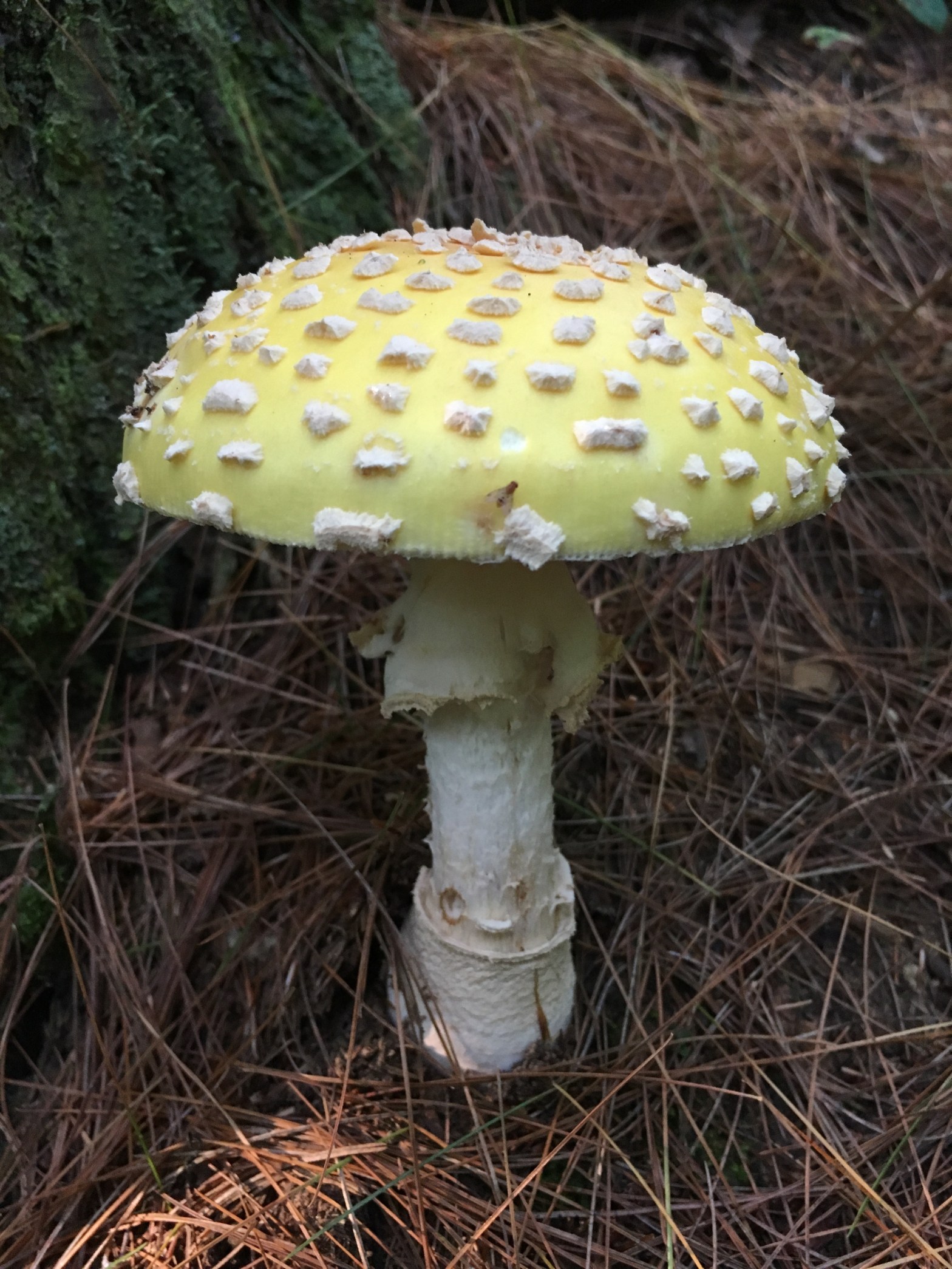
What is an online mushroom foray, you say? It’s actually not an experience unique to the pandemic, and it’s not hunting virtual mushrooms. You go mushroom hunting like normal, only you document your finds a little more carefully and upload them online. They last for a certain period of time, this one a week, andContinue reading “Photo Recap: My First Online Mushroom Foray”
In the Spotlight: The Chicken Fat Mushroom
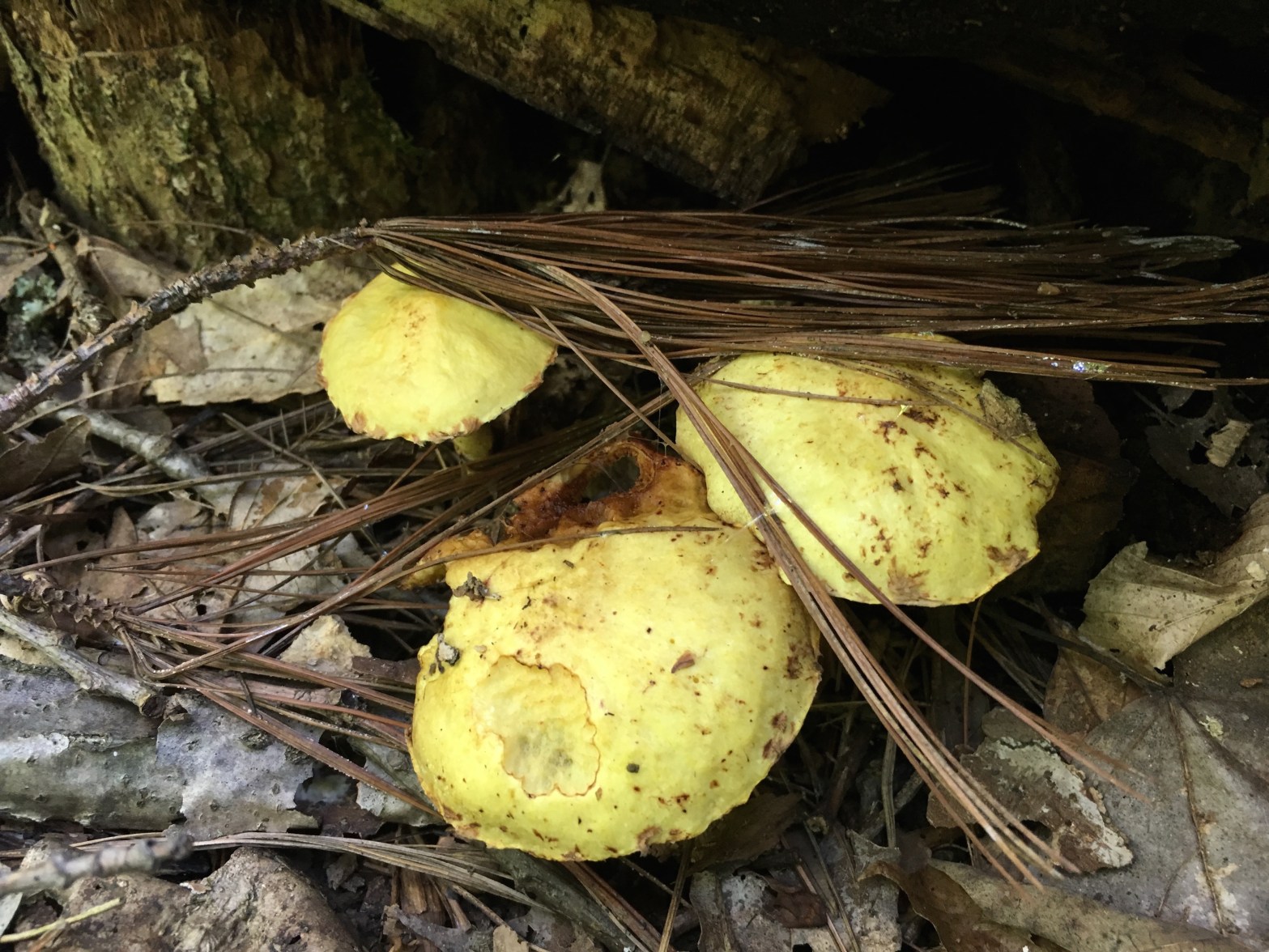
The Chicken Fat Mushroom, or Suillus americanus, has a doubly interesting name. Firstly, why “Chicken Fat”? I think it’s an incredibly apt name, given the overall slimy/tackiness of the mushroom and these fat-like globules that seem to coagulate around the base: And secondly, there is the specific name “americanus.” What makes this mushroom American? MostContinue reading “In the Spotlight: The Chicken Fat Mushroom”
Mushroom Lingo #5: Slime Veil
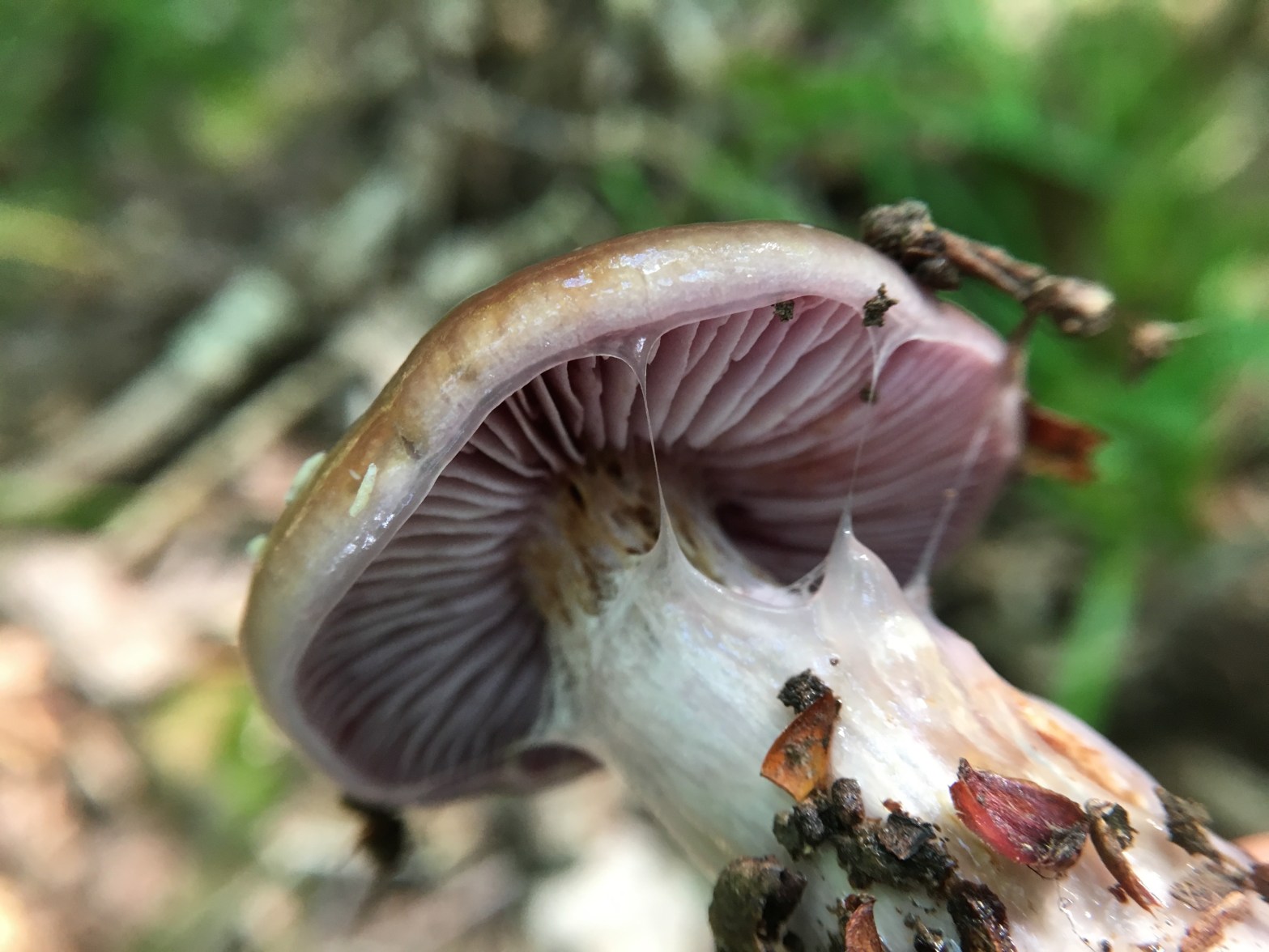
Yet another kind of veil! The good news is after three posts (partial veil, universal veil, and now slime veil) I think I’ve finally figured out how to spell it: v-e-i-l. The spelling of the word is to me almost as strange as the thing itself. A slime veil is basically a kind of universalContinue reading “Mushroom Lingo #5: Slime Veil”
 recycled paper clips