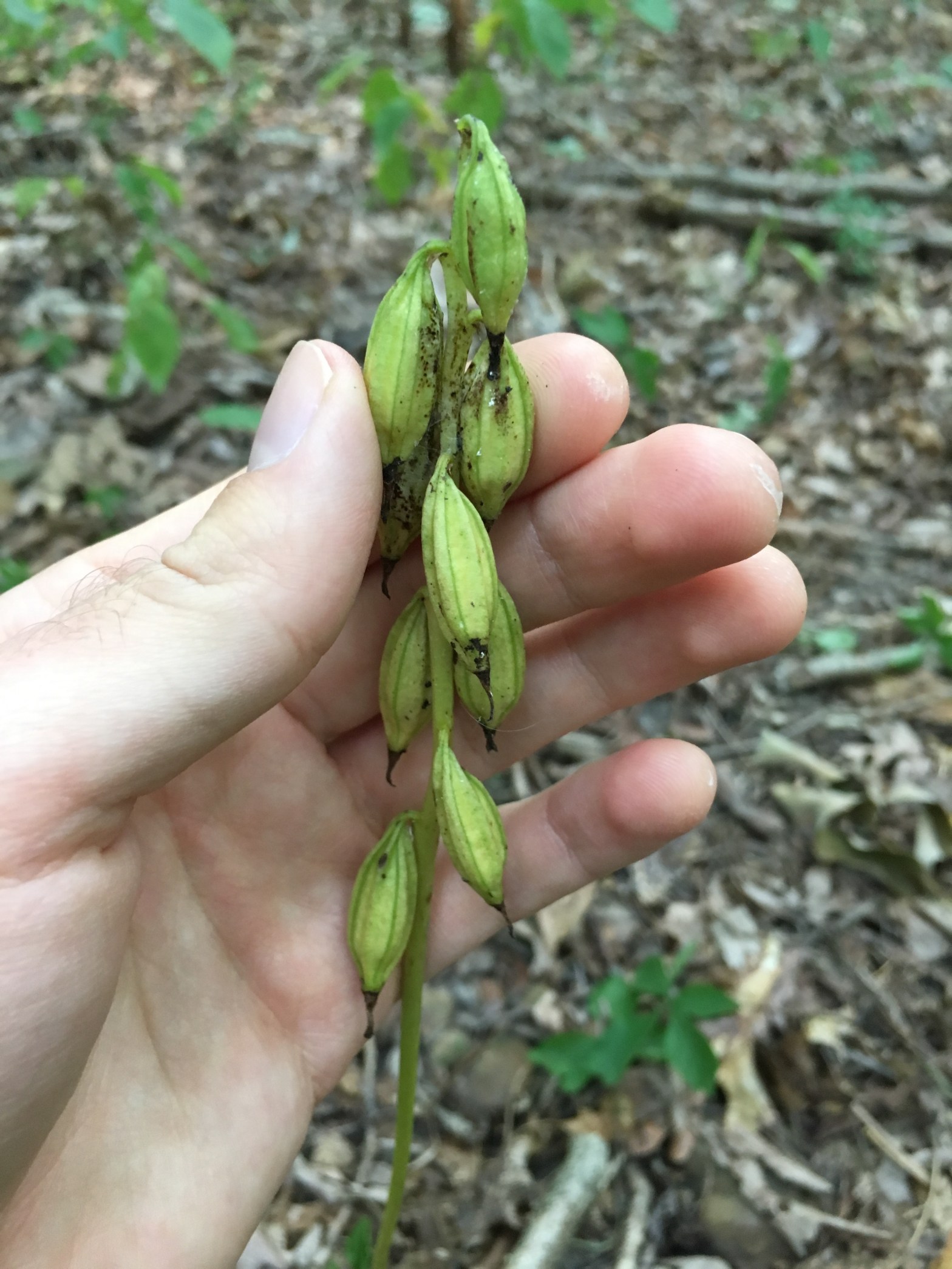
This week I’m taking a break from the Mushroom Lingo series to talk about mushrooms’ floral cousins: orchids. I say that orchids are cousins to mushrooms because orchids depend on fungi for energy during crucial phases of their growth. This is why they are so hard to transplant. First of all, let’s take a lookContinue reading “Indiana Orchids: Fall is the new Spring”
Monthly Archives: September 2020
Book Review: “The Secret Life of Stories: How Understanding Intellectual Disability Transforms the way we Read

This book’s greatest strengths and greatest drawbacks are intertwined. For example, rather than focusing on a detailed look at the function of disability in a few texts, Bérubé moves quickly between a huge range books, leaving me with the impression that I don’t fully understand his arguments, but also giving me effectively a reading listContinue reading “Book Review: “The Secret Life of Stories: How Understanding Intellectual Disability Transforms the way we Read”
Mushroom Lingo #10: Agaric
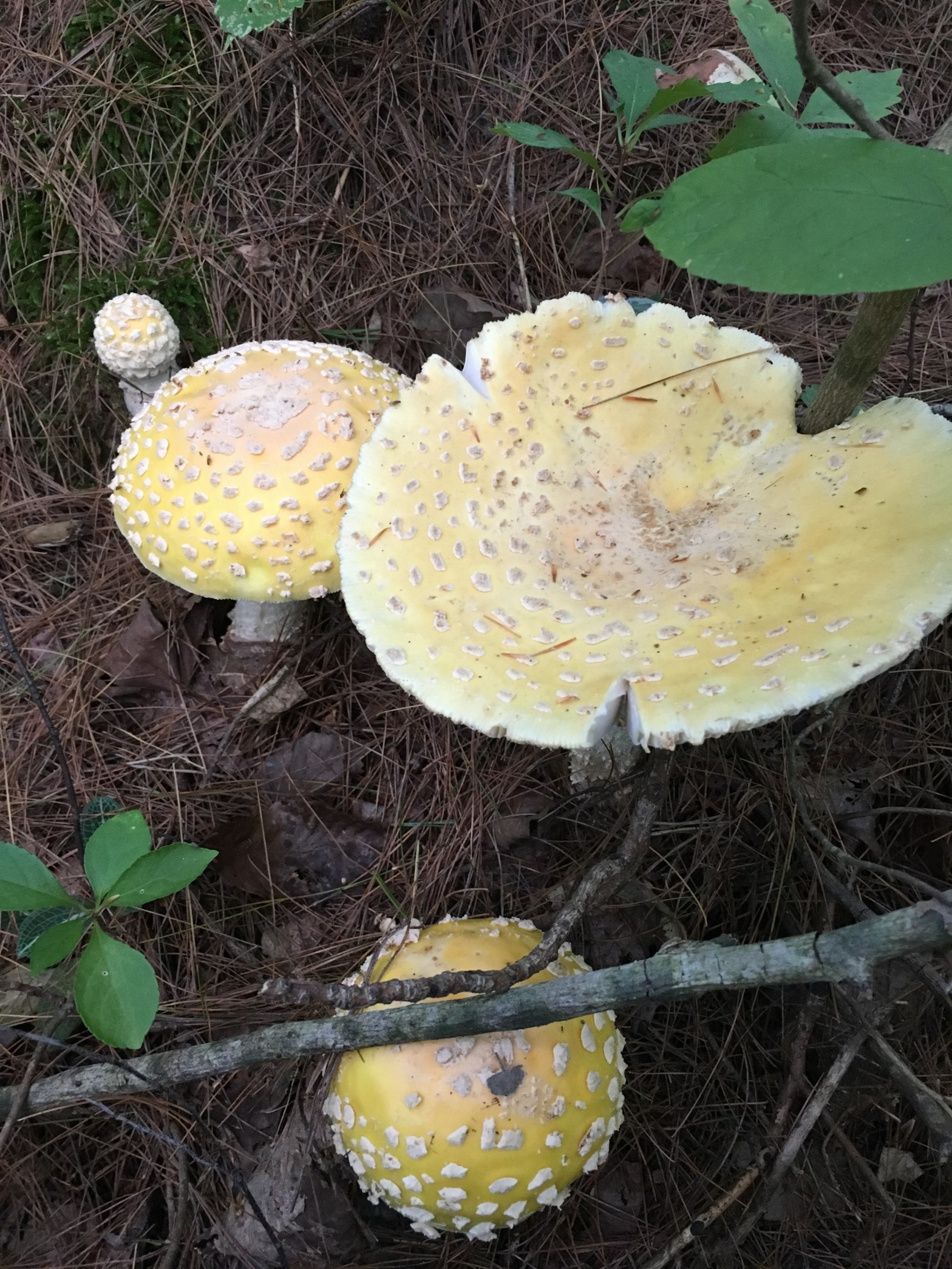
Like “polypore,” “agaric” can be interpreted in two ways. Firstly, morphologically, to refer to any mushroom with the typical mushroom shape—a stem, cap, and gills. It can also be interpreted phylogenetically, to refer to the Order Agaricales. Way back in the days of Linnaeus, when mushrooms were classified macroscopically, these two meanings were equivalent. ButContinue reading “Mushroom Lingo #10: Agaric”
Over-monitoring and “The Anxiety Toolkit”
This is an unusual topic for me to take up in this blog. For the most part, I write about plants and fungi, occasionally books and movies. But today, for some reason, I feel like taking up a psychological concept, “over-monitoring,” which I’ve encountered in Alice Boyes’s book The Anxiety Toolkit. I took up thisContinue reading “Over-monitoring and “The Anxiety Toolkit””
Three Swampy Species: The Cardinal Flower, Buttonbush, and Arrowhead
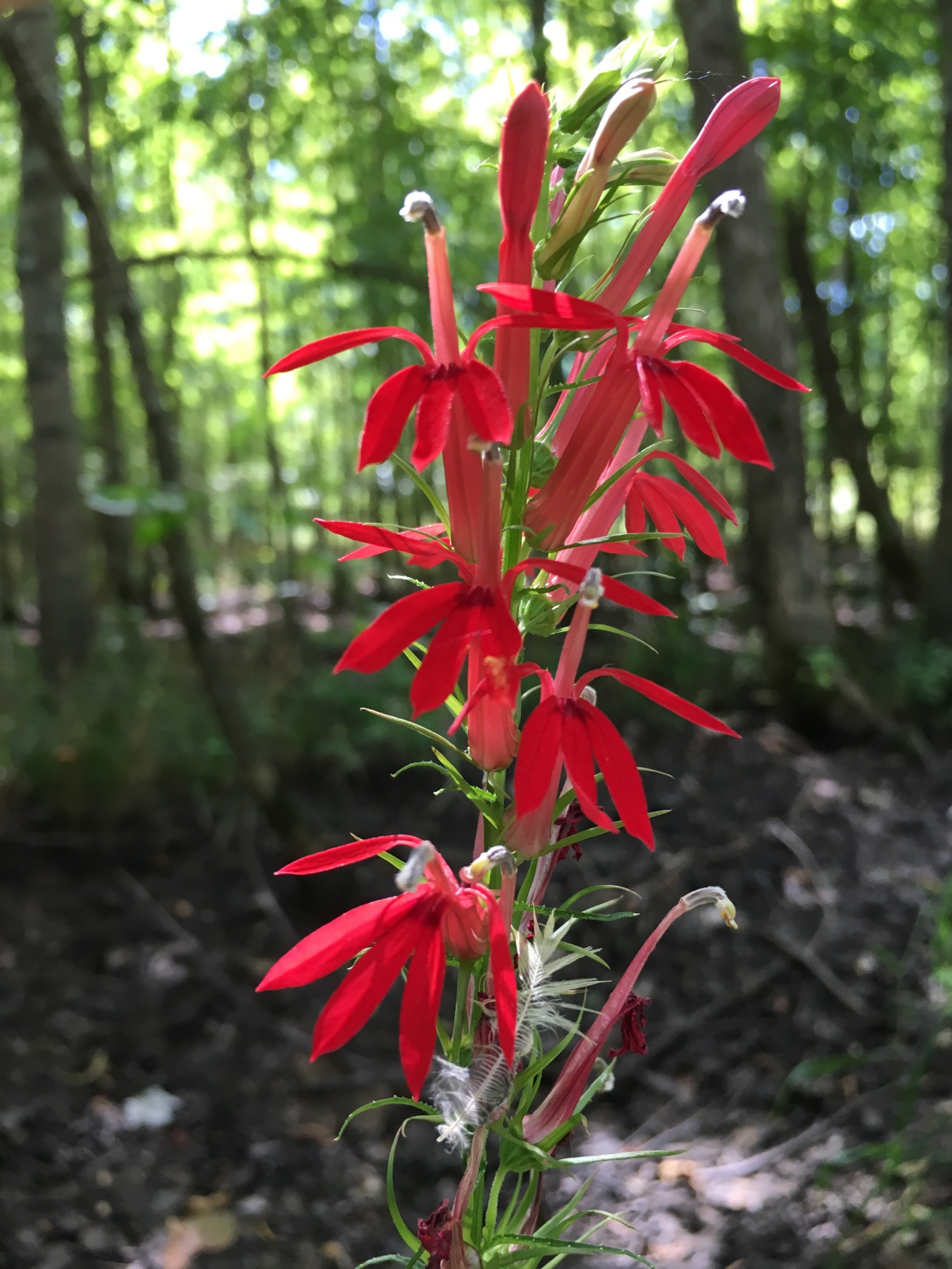
In Indiana at least, forests are actually one of the best preserved habitats. Forests are “multiple-use” spaces — they can be used for hunting, logging, and hiking — and so there is an economic incentive to preserve them. In contrast, wetlands tend to be less well preserved because they don’t produce a salable product likeContinue reading “Three Swampy Species: The Cardinal Flower, Buttonbush, and Arrowhead”
Mushroom Lingo #9: Polypore
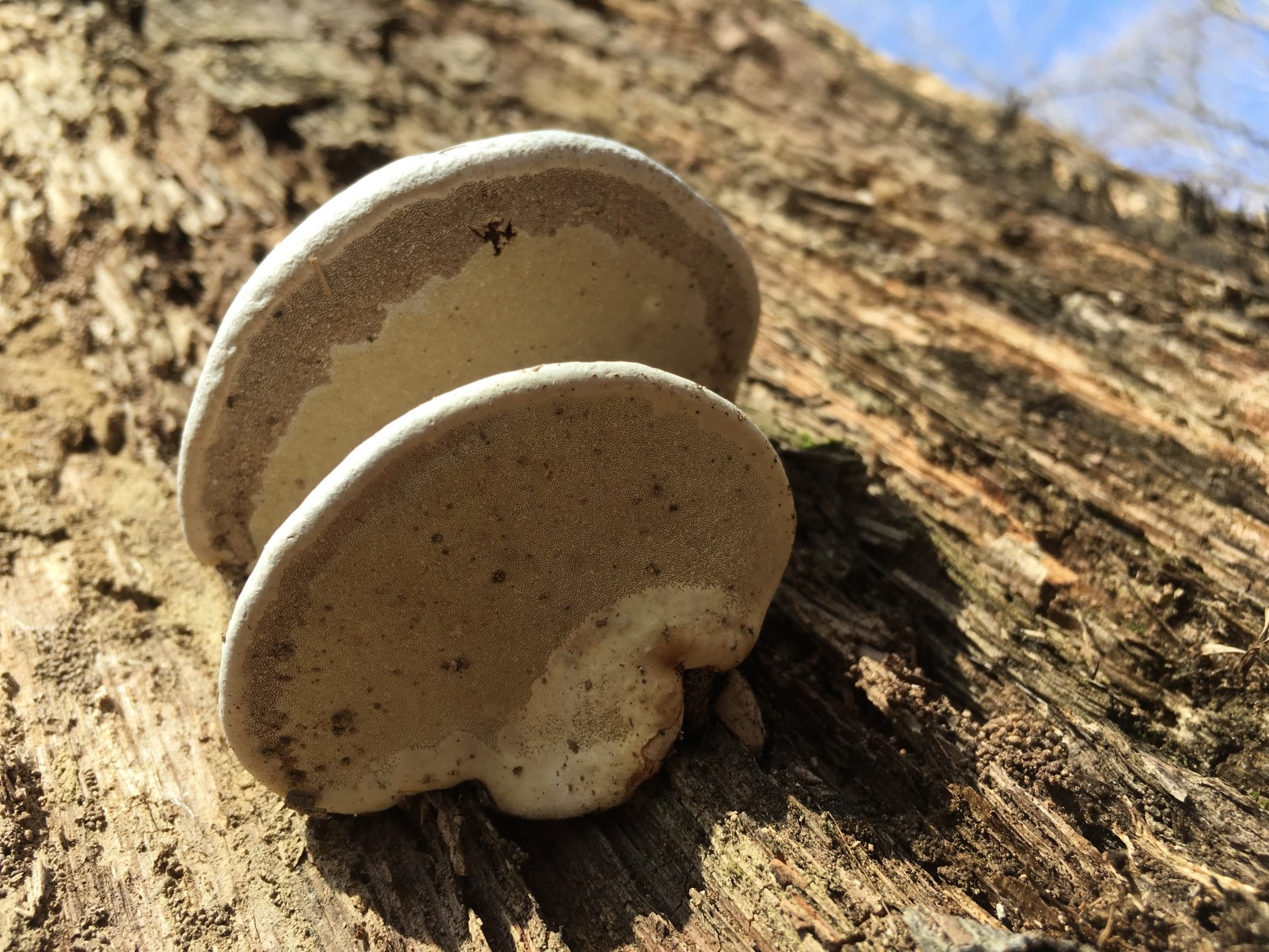
A polypore is just a mushroom with a lot of pores, right? Not quite. Boletes are pored mushrooms, for example, and yet are not polypores. Lenzites betulina doesn’t have pores — it has gills! — and yet it is considered a polypore. What’s going on? As so often with things mushroomy, there isn’t a clearContinue reading “Mushroom Lingo #9: Polypore”
Mushroom Lingo #8: Parasites (and Rhizomorphs)
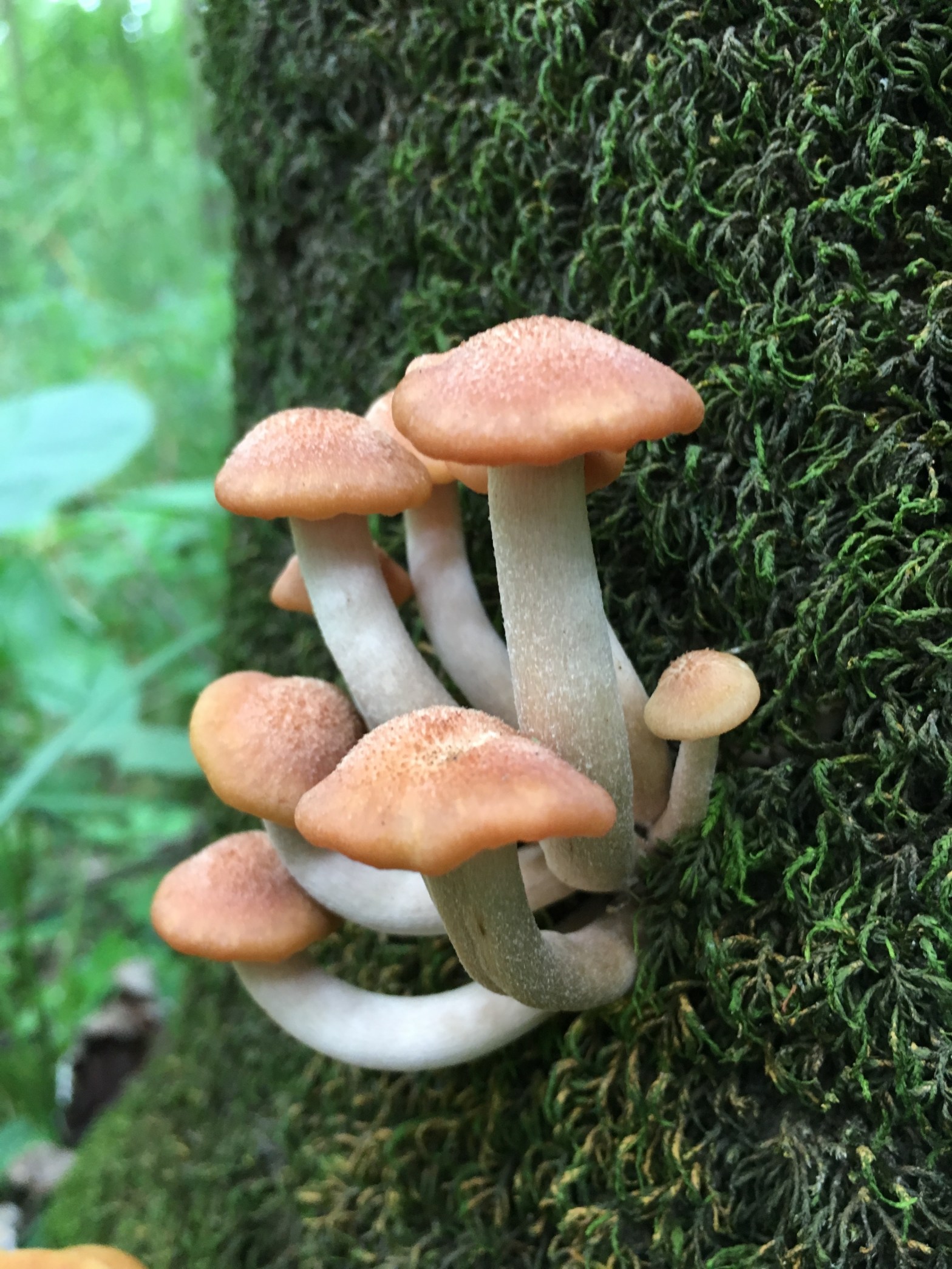
This one’s not too hard to figure out. In contrast to saprobic fungi, parasitic fungi feed on living organisms, whether those are trees, other fungi, or even insects—as is the case with the famous Cordyceps militaris (see Planet Earth: https://www.youtube.com/watch?v=XuKjBIBBAL8) Trees undoubtedly bear the brunt of fungal parasitism, however. These parasites are often specific toContinue reading “Mushroom Lingo #8: Parasites (and Rhizomorphs)”
Meet the Pin Oak
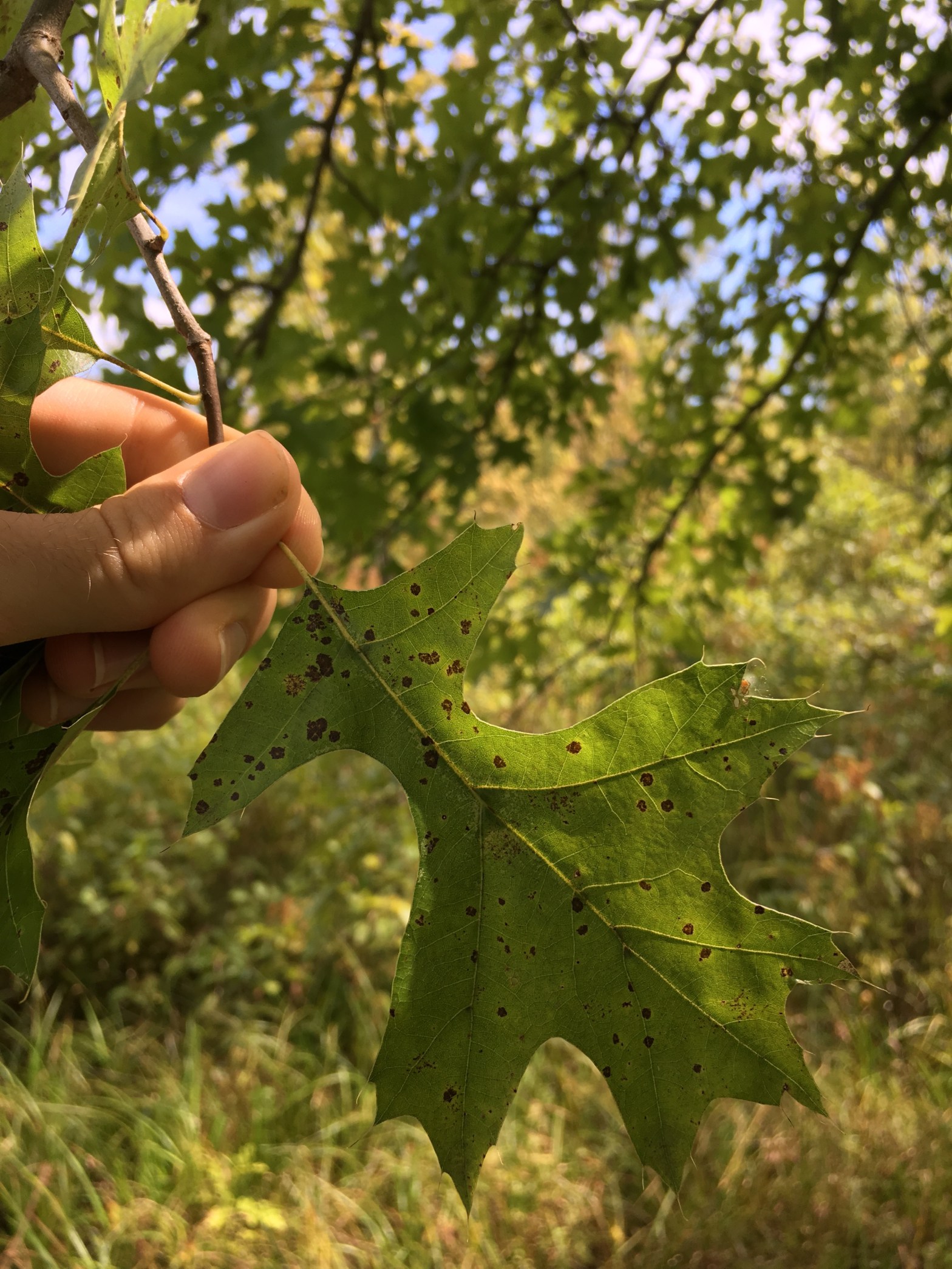
As it naturally occurs, the Pin Oak is a bottomlands tree. It grows on poorly drained, high-clay content soils, with dormant season flooding. The latin epithet palustris in Quercus palustris means something like “of swampy areas,” and it can be readily identified in the wild on the basis of its habitat. Other red oaks, likeContinue reading “Meet the Pin Oak”
 recycled paper clips