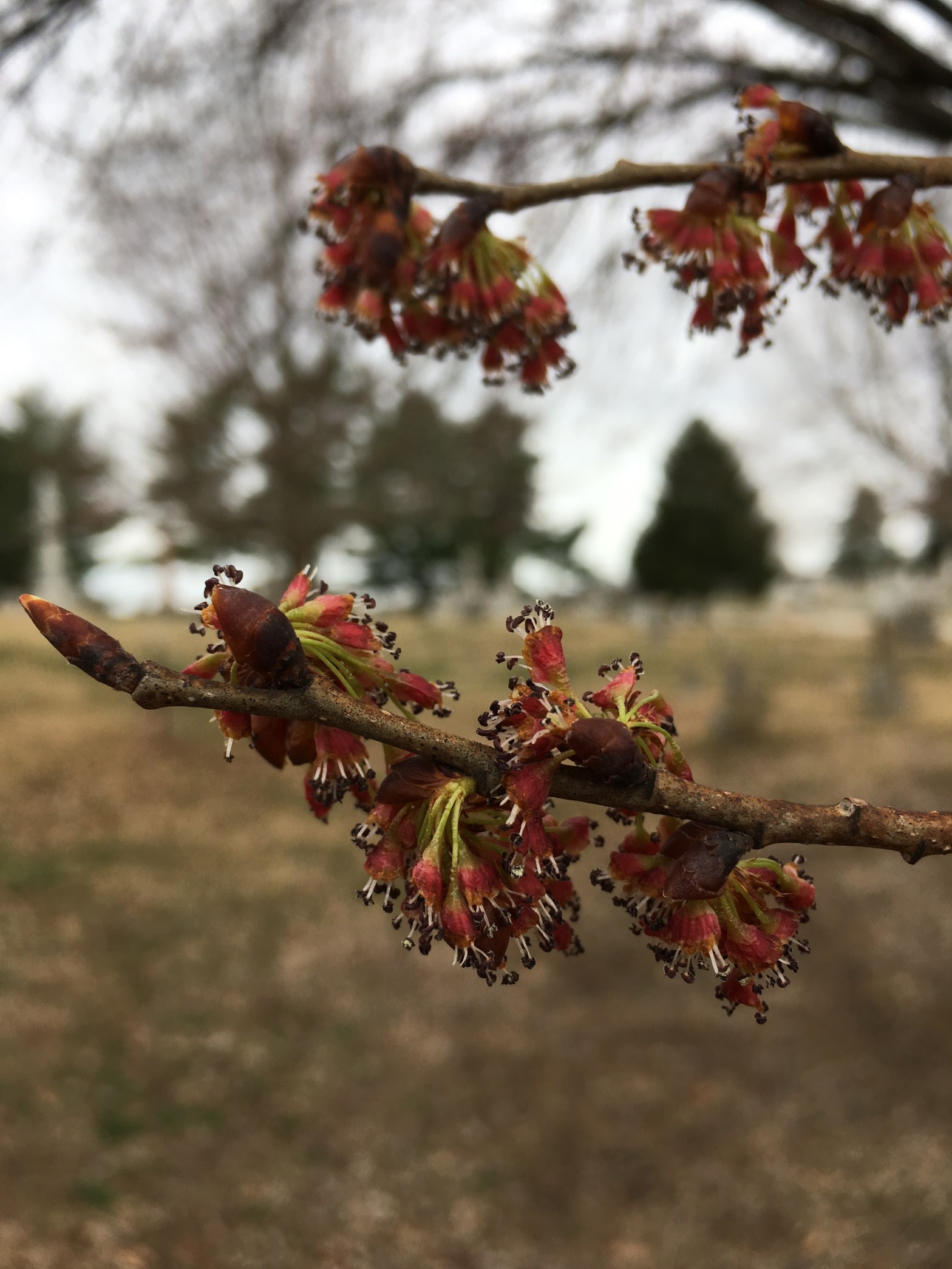
The American Elm can be confused with two other species of elm, The Slippery Elm and the Siberian Elm. Luckily, the American Elm can be easily distinguished from these two when it is bloom— as it happens to be right now (in Indiana). So if you’re unsure about a particular tree, now’s the time toContinue reading “Recognizing the American Elm in Bloom”
Tag Archives: tree identification
Buds of the Walnut Family
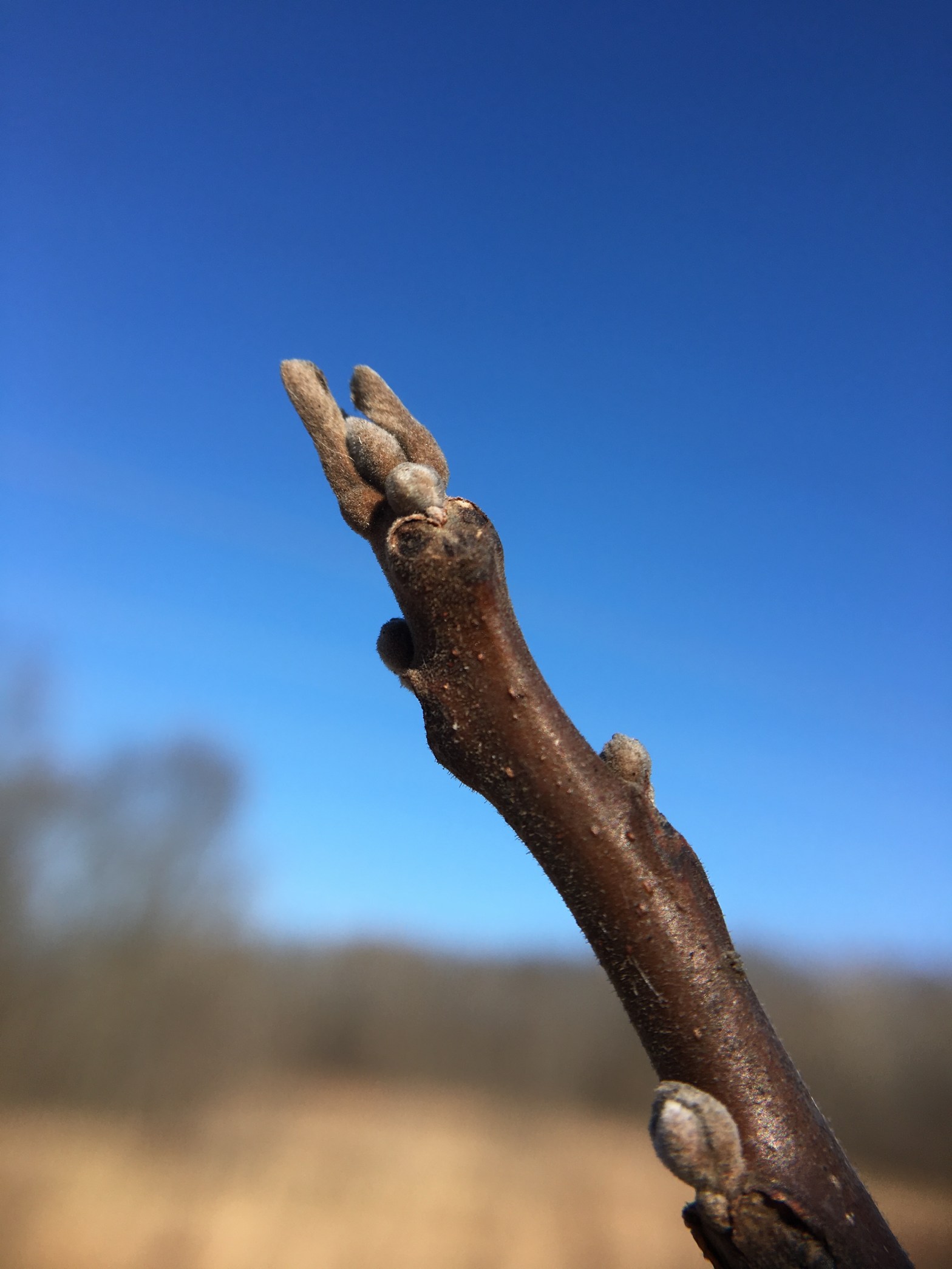
The walnut family, the Juglandaceae, have large, fuzzy buds (at least the ones in Indiana). I could be wrong, but I bet there’s a connection between the typically large, almost floral buds of walnuts and hickories and the fact that these trees have large, compound leaves—Black Walnut leaves can be up to 2 feet long,Continue reading “Buds of the Walnut Family”
Winter Tree ID: Bitternut Hickory

Redbuds are not the only tree named in reference to their buds. Bitternut hickory is also called yellowbud hickory, which to me is a more useful name, since I rarely pick up, pry open, and taste the squirrel-neglected nuts I find on the ground. On the other hand, it’s only during this half of theContinue reading “Winter Tree ID: Bitternut Hickory”
Winter Tree ID: Buds
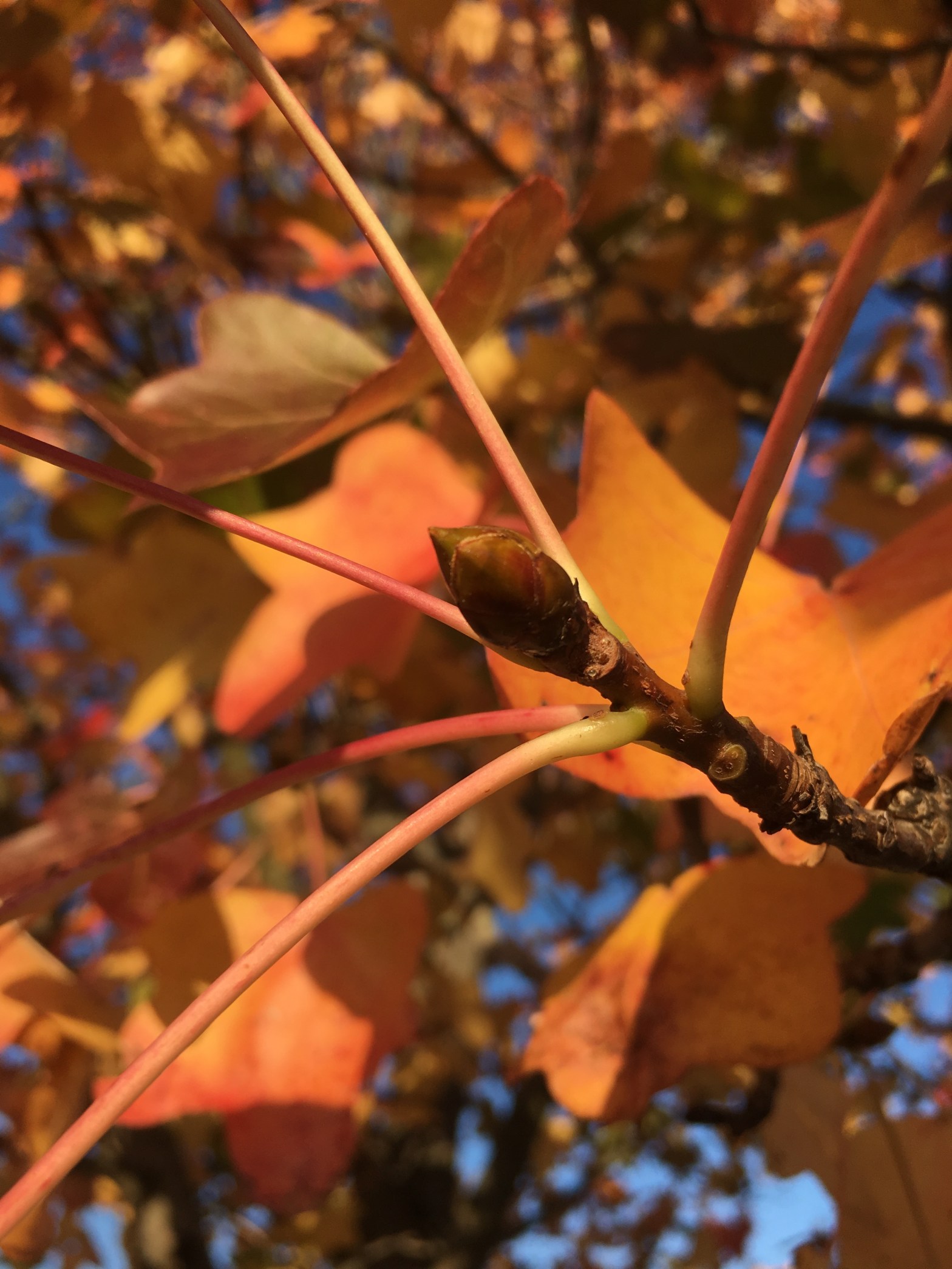
I’ve written before about using bark to identify trees in the winter, but sometimes bark can be ambiguous and it helps to have another tool up your sleeve. Knowing a bit about buds just gives you that much more evidence to go on. One of the first things looking at buds will tell you isContinue reading “Winter Tree ID: Buds”
Wahoos and Other November Color
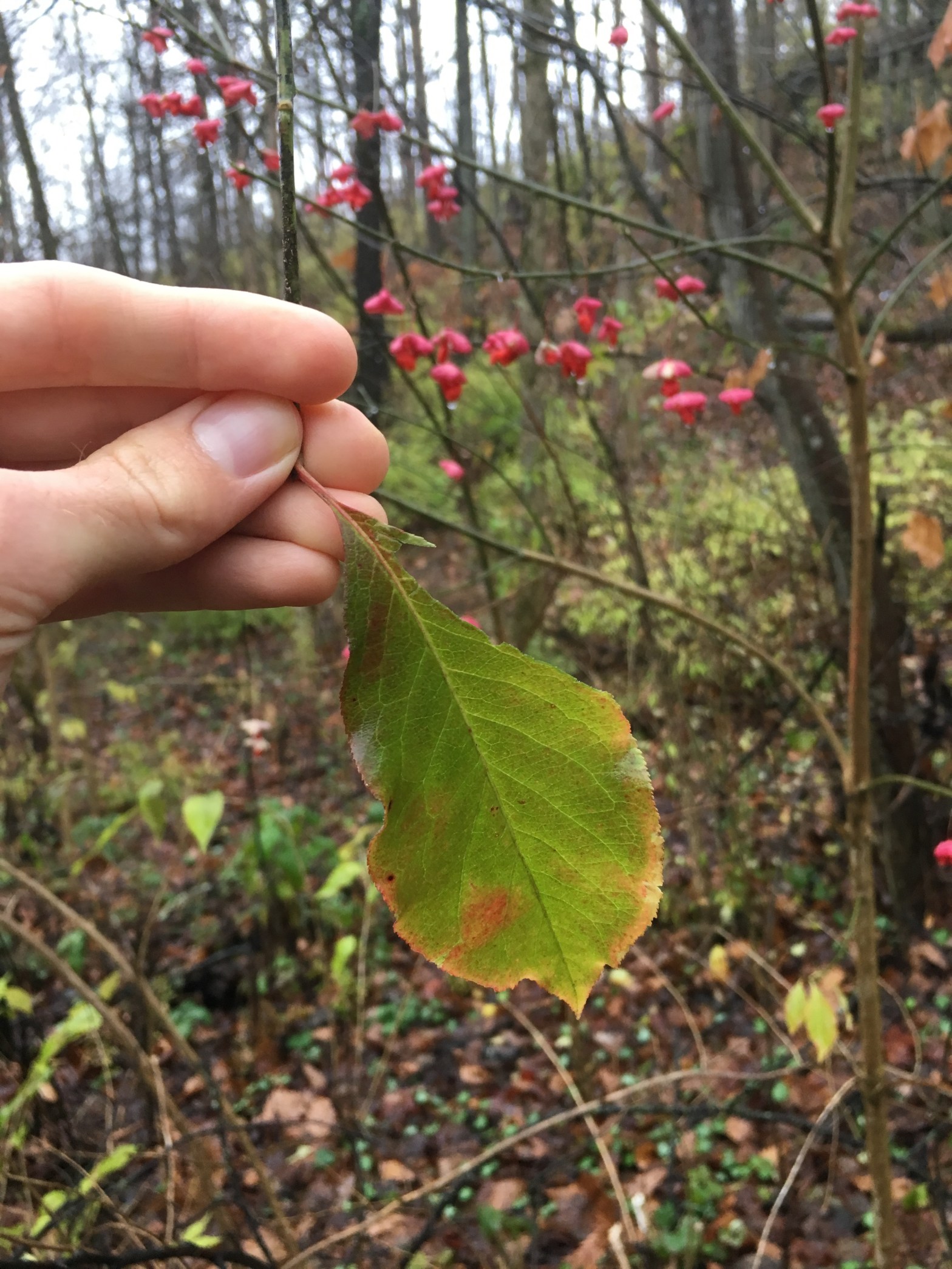
The Eastern Wahoo is one of the handful of idiosyncratic plants that defy the general greyness of November. Also called “burning bush,” it is native to the Midwest, and gets the name Wahoo from the Dakota language, in which it means “Arrow-wood.” (“Wahoo” is also the name of a tropical game fish, and a CreekContinue reading “Wahoos and Other November Color”
In the Spotlight: Northern White-cedar
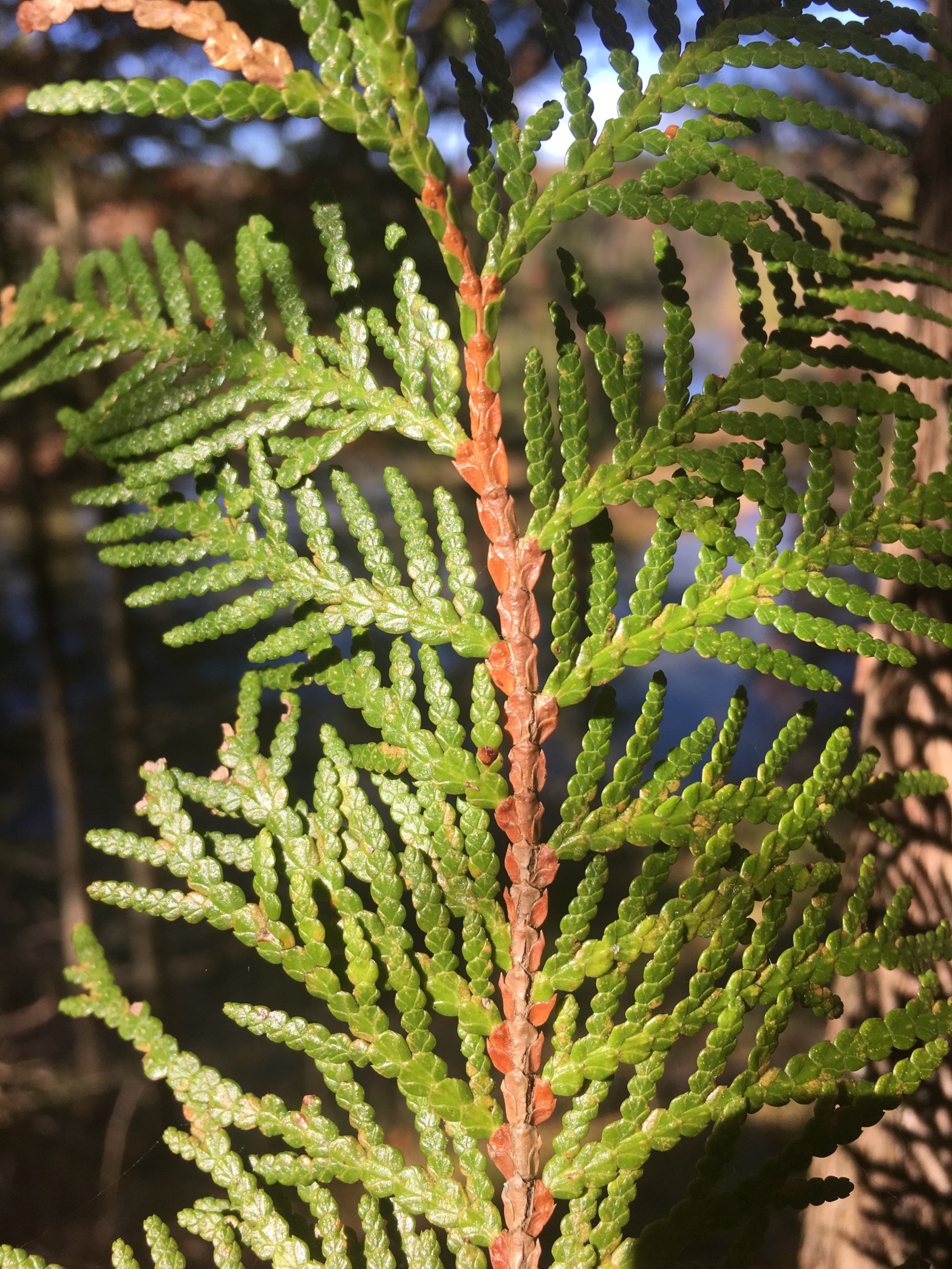
I just got back from a trip up north, which took me into the native range of Thuja occidentalis, also know as Swamp-cedar or Arborvitae. I chose to write about it for two additional reasons: one, because I’ve been reading William Cronon’s classic Changes in the Land, which mentions it as one of the treesContinue reading “In the Spotlight: Northern White-cedar”
A Southern Indiana Fall
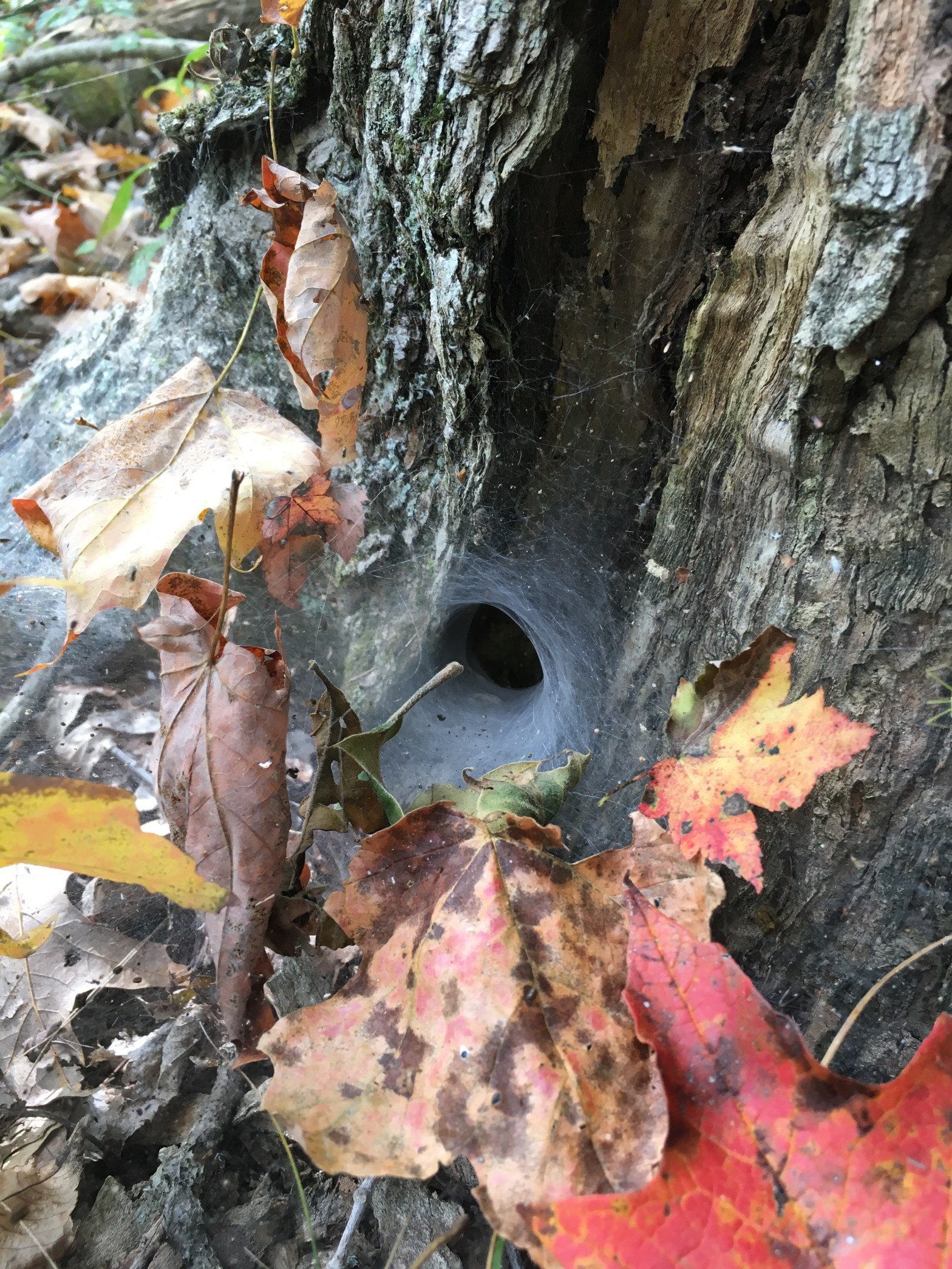
Meet the Pin Oak
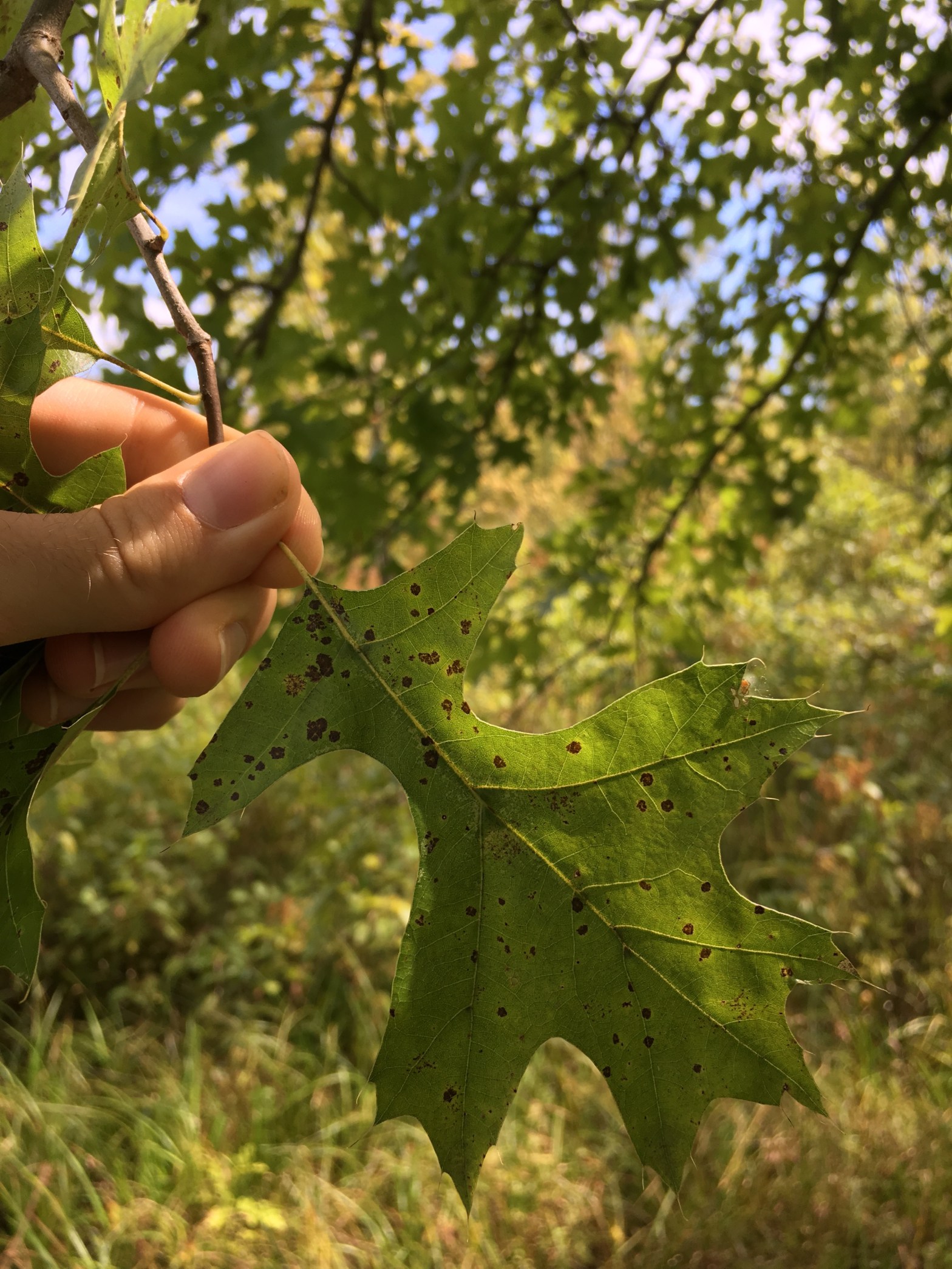
As it naturally occurs, the Pin Oak is a bottomlands tree. It grows on poorly drained, high-clay content soils, with dormant season flooding. The latin epithet palustris in Quercus palustris means something like “of swampy areas,” and it can be readily identified in the wild on the basis of its habitat. Other red oaks, likeContinue reading “Meet the Pin Oak”
Coniferous Oddballs: Three Conifers and their distinctive features.
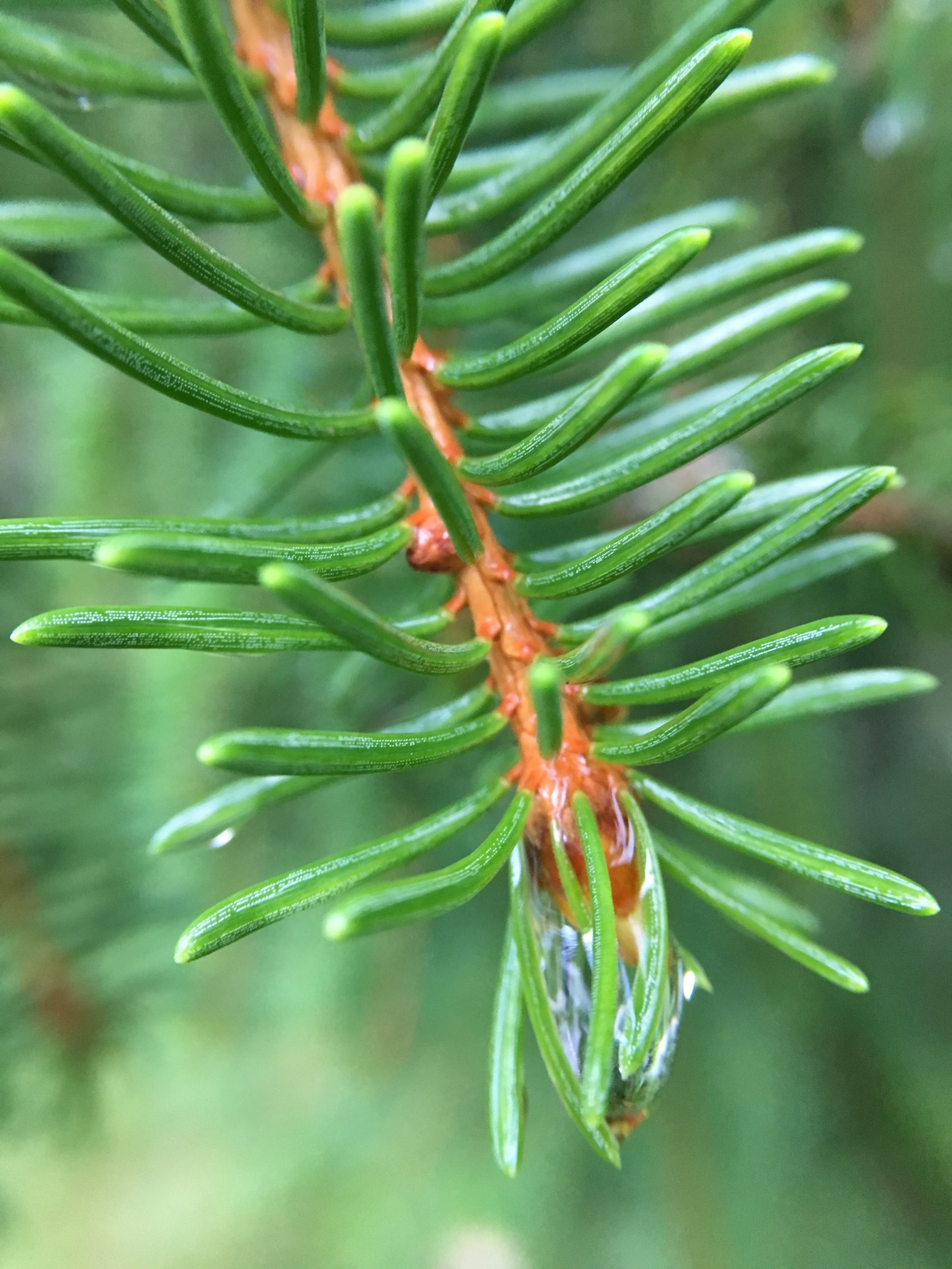
First of all, there is a difference between a “conifer” and an “evergreen,” as the Bald-cypress shows. A conifer is a tree that produces a cone rather than a flower to spread its seeds. An evergreen is simply a tree that doesn’t lose its leaves. The Bald-Cypress produces a rather quirky spherical cone, making itContinue reading “Coniferous Oddballs: Three Conifers and their distinctive features.”
Tree of Heaven: Tree Identification with your Nose

It’s interesting how much of an impact street names have on our knowledge of trees. Pretty much everyone knows that Oaks, Hickories, Walnuts, and Elms are trees, even if most people can’t identify them. I am reminded of the chapter called “Place-Names” in Proust, how some words exist that no longer refer to anything particular,Continue reading “Tree of Heaven: Tree Identification with your Nose”
 recycled paper clips