Peter the Great and “Westernization”

Everyone knows that Peter the Great “westernized” Russia. But what does that mean? And how true is it?

In a very literal sense Peter the Great did westernize Russia, that is by persuading a large number of Western experts to immigrate and take up prominent posts in the Russian government. Peter “imported” shipwrights, mathematicians, generals, architects, translators and more by the hundreds and the thousands. He also forcibly sent thousands of Russians abroad to study these subjects, something that wasn’t at all popular with the Russian nobility.

On a deeper level though, the question is more ambiguous. I think when people speak of “westernization” they have two key ideas in mind. The first is that “Western” is associated with the scientific, the empirical, the rational, as opposed to the supposedly faith-based, irrational non-West. And the second, is that it has something to do with democracy and an increase in individual freedoms.

Peter certainly greatly advanced the scientific standing of his nation. He founded schools, brought inventions and scientific marvels back from his travels in Western Europe, and made it a point to make direct personal contact with Western chemists, mathematicians, and physicists.

But his interest was not in science for its own sake, but in science for the sake of war. Like most “great” leaders, his fundamental goals were military strength and geopolitical power. Science, and rationalism in general, was a means of more efficient exercise of power.

Although this is probably not what most people have in mind when they say that Peter westernized Russia, his focus on territorial expansion was indeed very Western/proto- Colonial. Peter was the first Tsar to give himself the title “Emperor,” a title for him having connotations going back to Alexander the Great, his role model.

In the second sense in which we mean “Western,” that is, having to do with greater individual freedoms and political institutions such as democracy, however, Peter cannot really be said to have westernized Russia. As Robert K. Massie puts it in his biography Peter the Great, his Life and World

Russian society, like that of medieval Europe, was based on obligations of service. The serf owed service to the landowner, the landowner owed service to the Tsar. Far from breaking or even loosening these bonds of service, Peter twisted them tight to extract every last degree of service from every level of society.

pg. 775

One thing you might not know about Peter the Great is that he tortured his own son to the point of death, because he believed (without much foundation) that there was a conspiracy afoot to overthrow him. Peter wracked his country with such absurd taxes and duties that the wonder of it is that they didn’t rebel.

There was a tax on births, on marriages, on funerals and on the registration of wills. There was a tax on wheat and tallow. Horses were taxed, and horse hides and horse collars. There was a hat tax and a tax on the wearing of leather boots. The beard tax was systematized and enforced, and a tax on mustaches was added. Ten percent was collected from all cab fares…etc

Robert Massie, Peter the Great pg. 401

The building of St. Petersburg, which cost the lives of tens of thousands of conscripts, is another example of the human cost of Peter’s greatness. Another particularly mean piece of despotism was the government monopoly on salt. Peter fixed the price of salt at twice what it cost the government to produce, so that, “Peasants who could not afford the higher price often sickened and died.”

So if we take “westernization” to mean a lightening of the feudal yoke, then Peter’s reign was the opposite. “Individual freedoms” were not in his vocabulary, they had no place in his idea of how a State should be organized. But were individual freedoms and more respected by the leaders of the West? Not really.

We can say that Peter “westernized” Russia as long as we are clear that we mean the exploitative, territorial, and repressive aspects of Western civilization rather than its often invoked lofty ideals. For many people though, those negative aspects of Western civilization are by far the greater portion, so perhaps the claim that Peter “westernized” Russia is more accurate than we have realized.
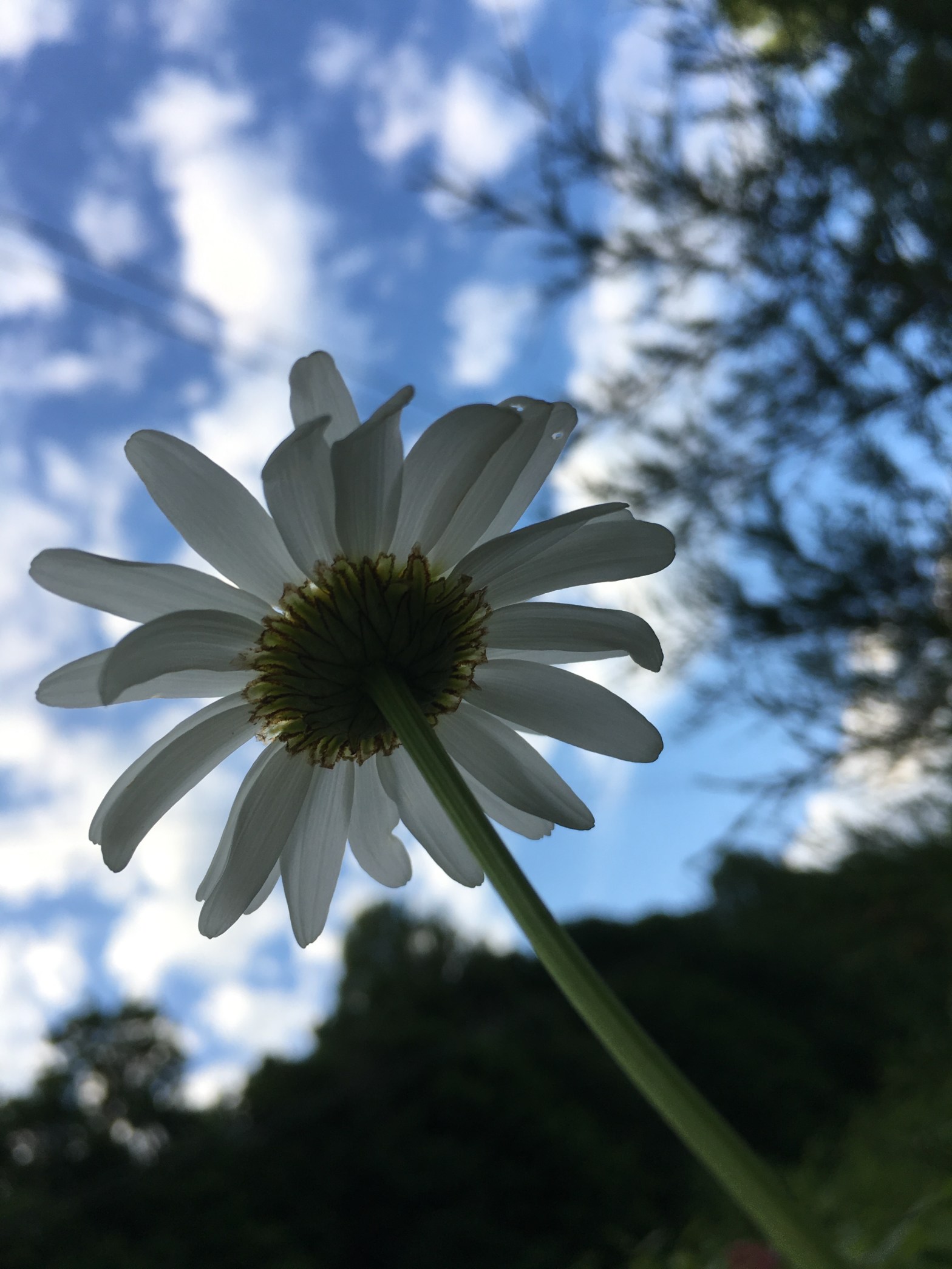
Best of May: Photos

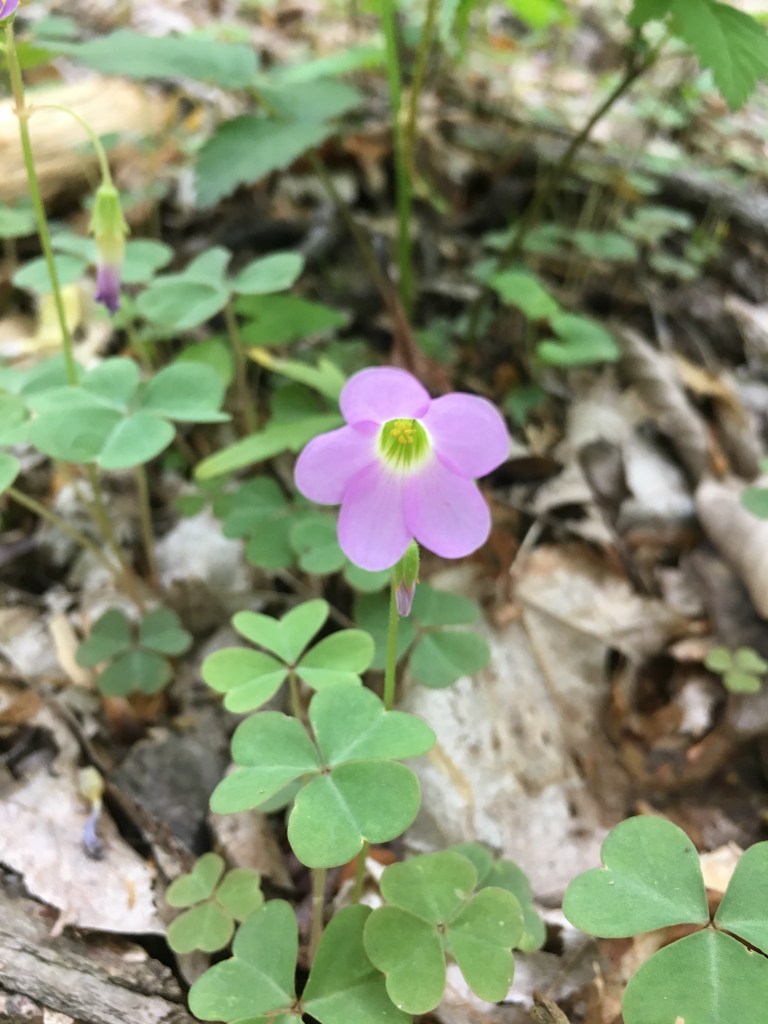
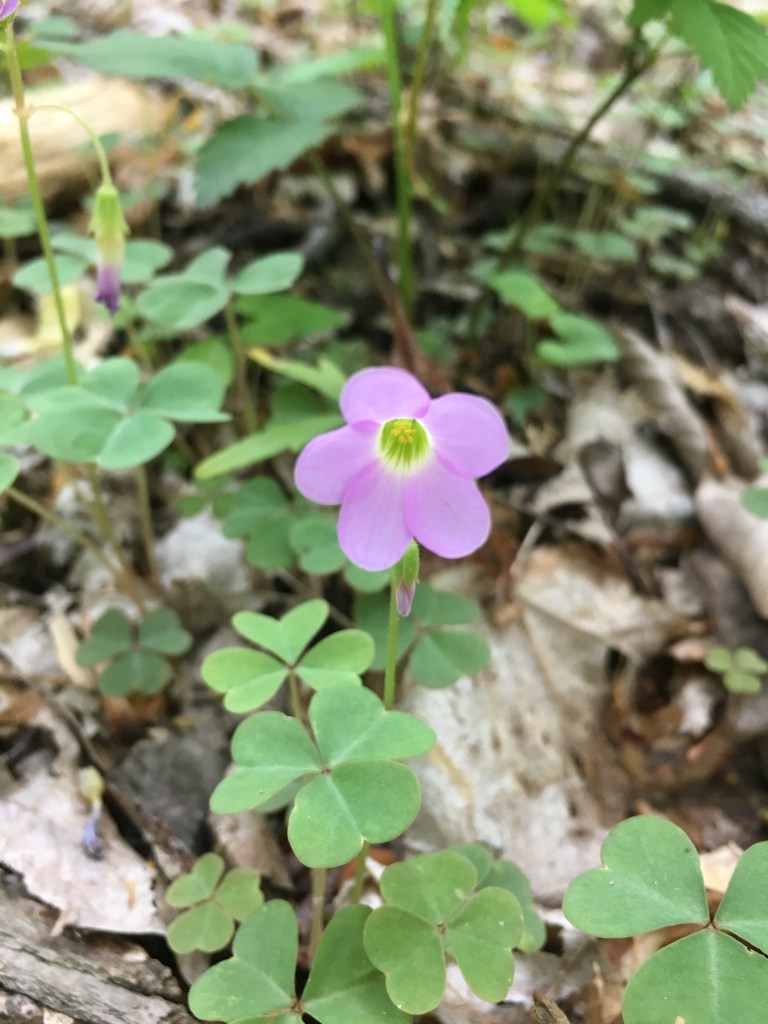
Violet Woodsorrel
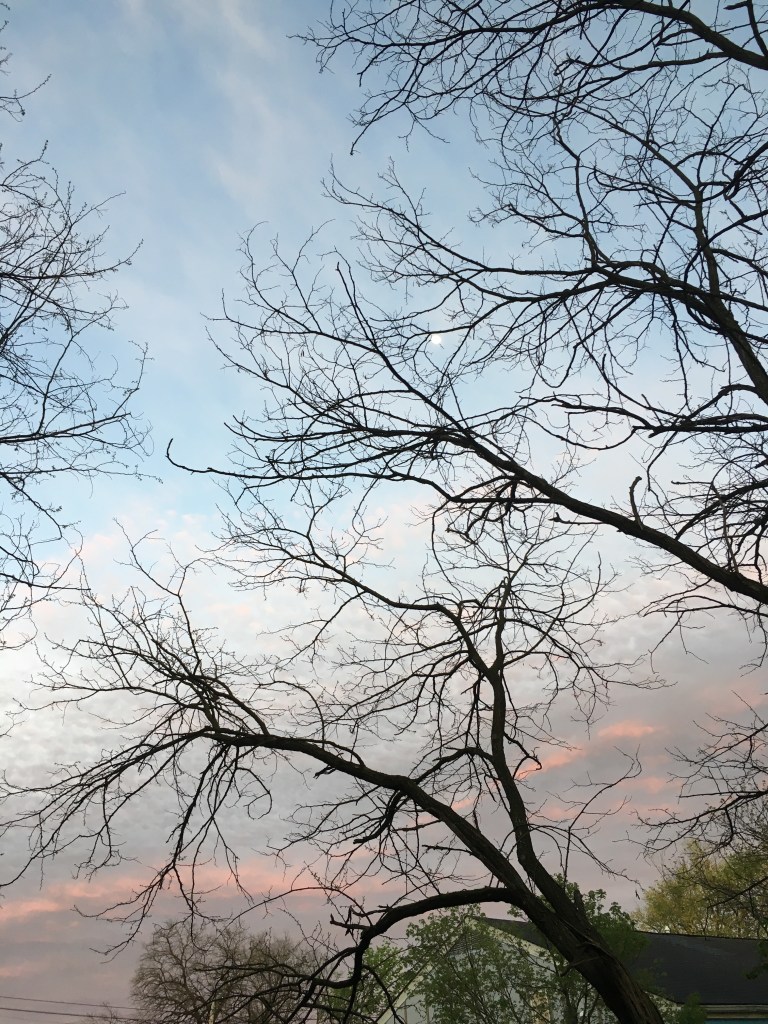
Some trees leaf later than others, I’ve noticed Black Walnut is one of the last trees to come into play. (not sure what this is in the photo)
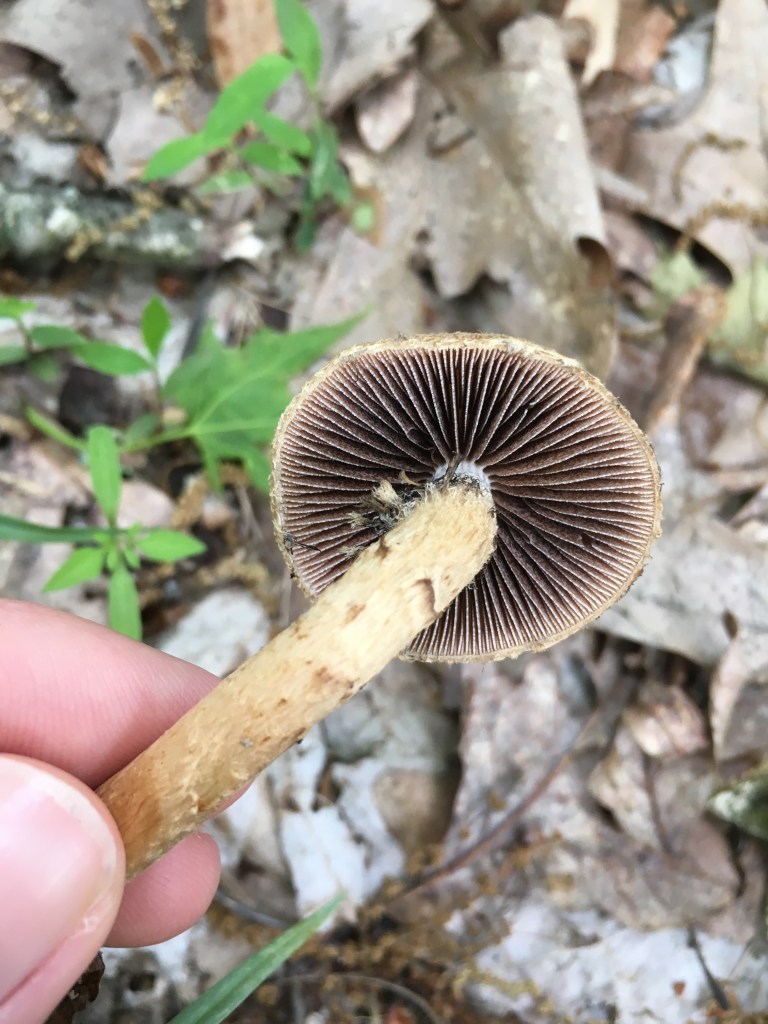
Weeping Widow, showing “mottled” gills
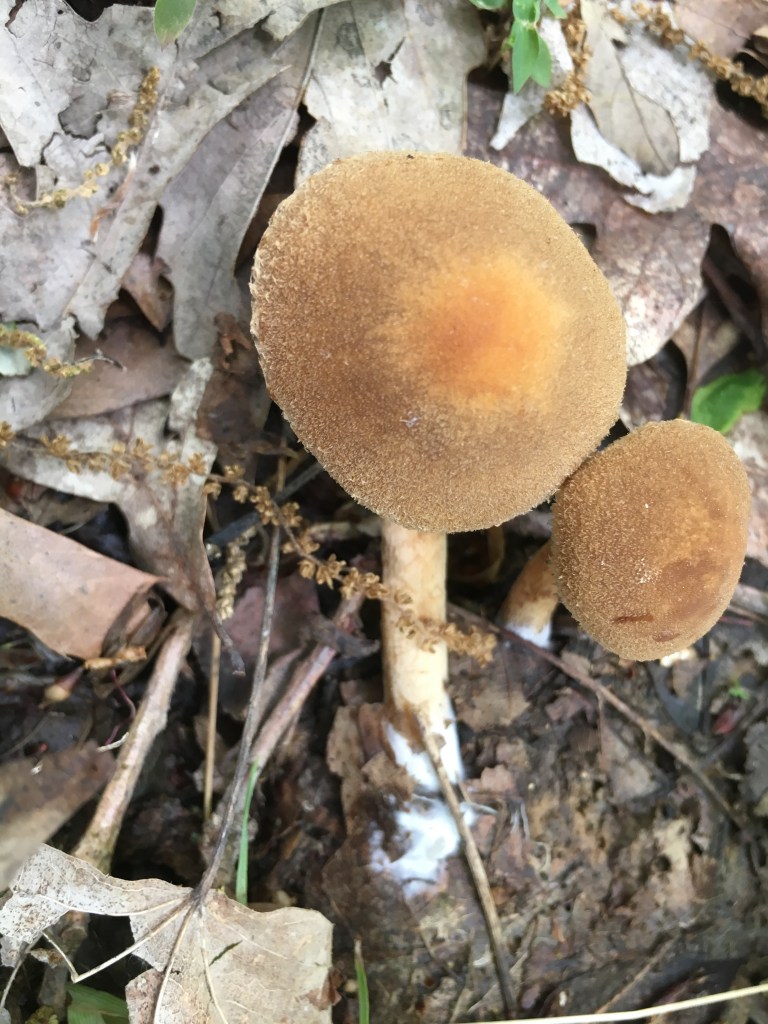
Fuzzy cap of Weeping Widow mushroom
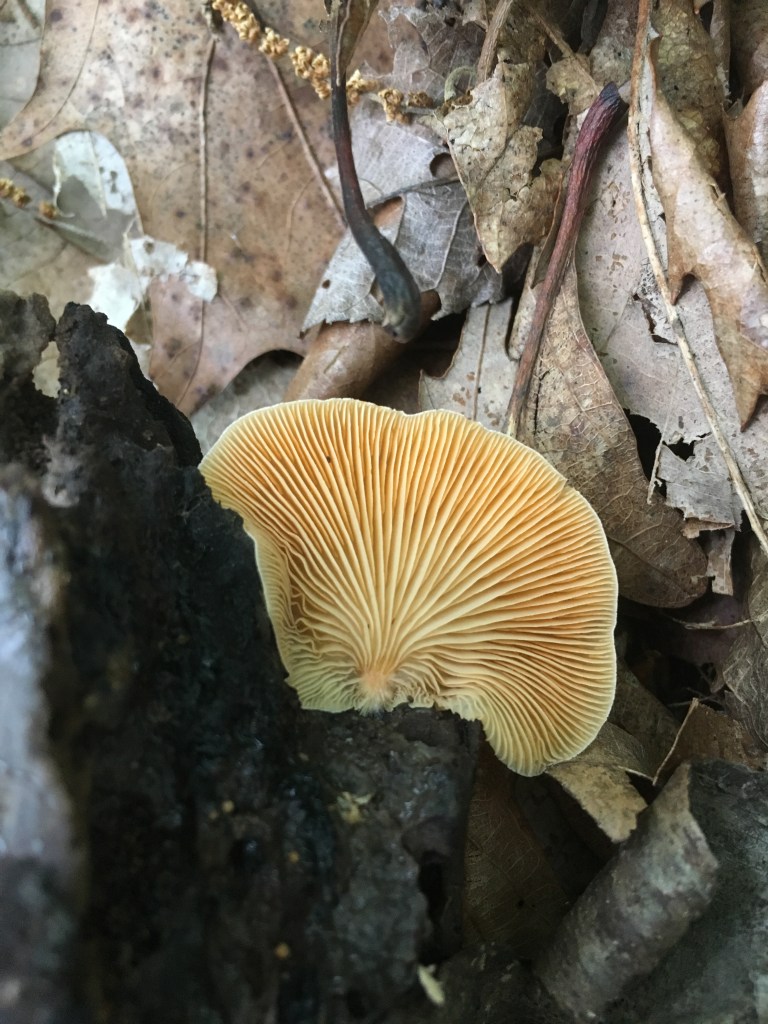
Saffron Crep
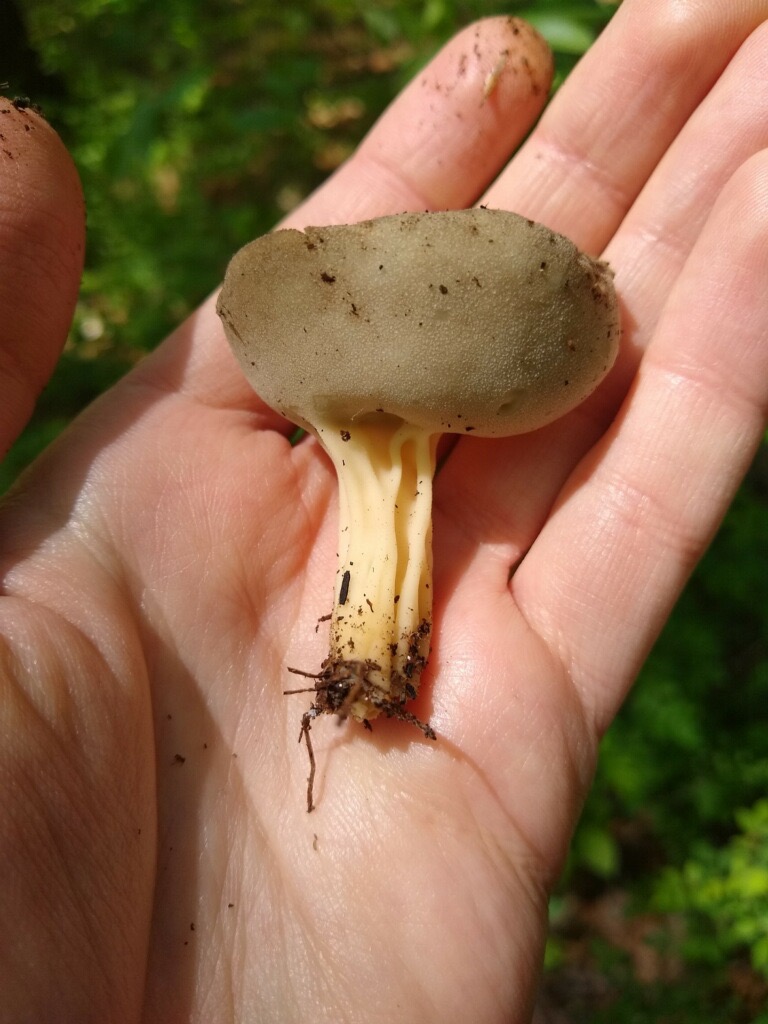
Vinegar Cup, a type of “elfin saddle”
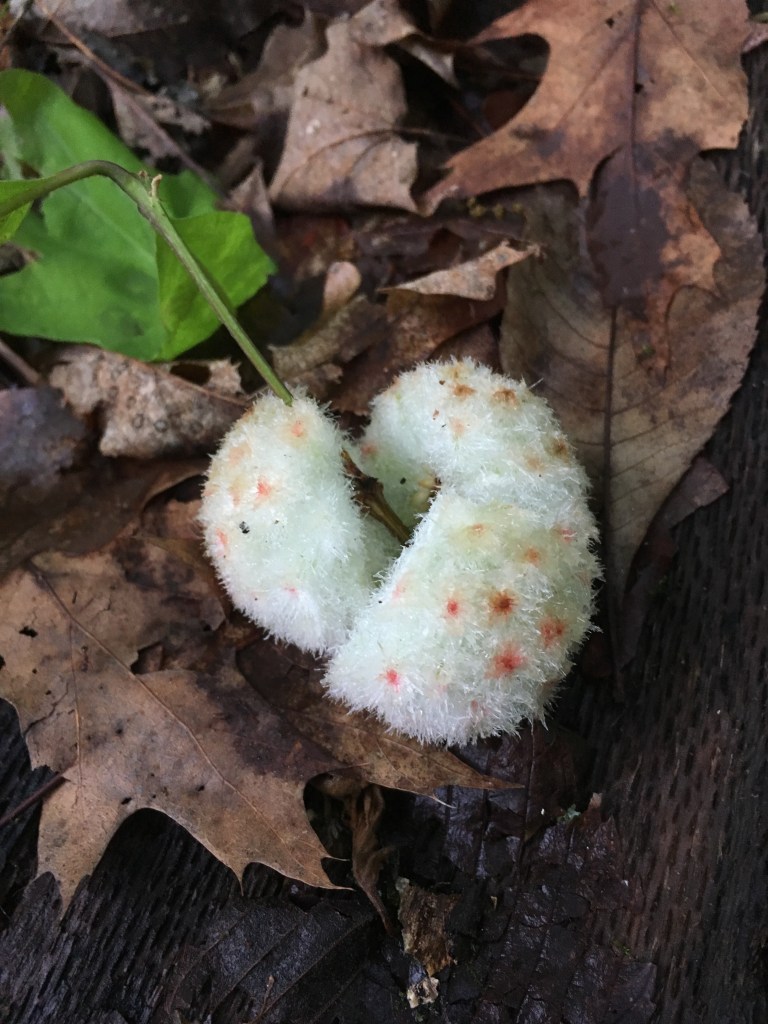
Wool Sower Gall Wasp
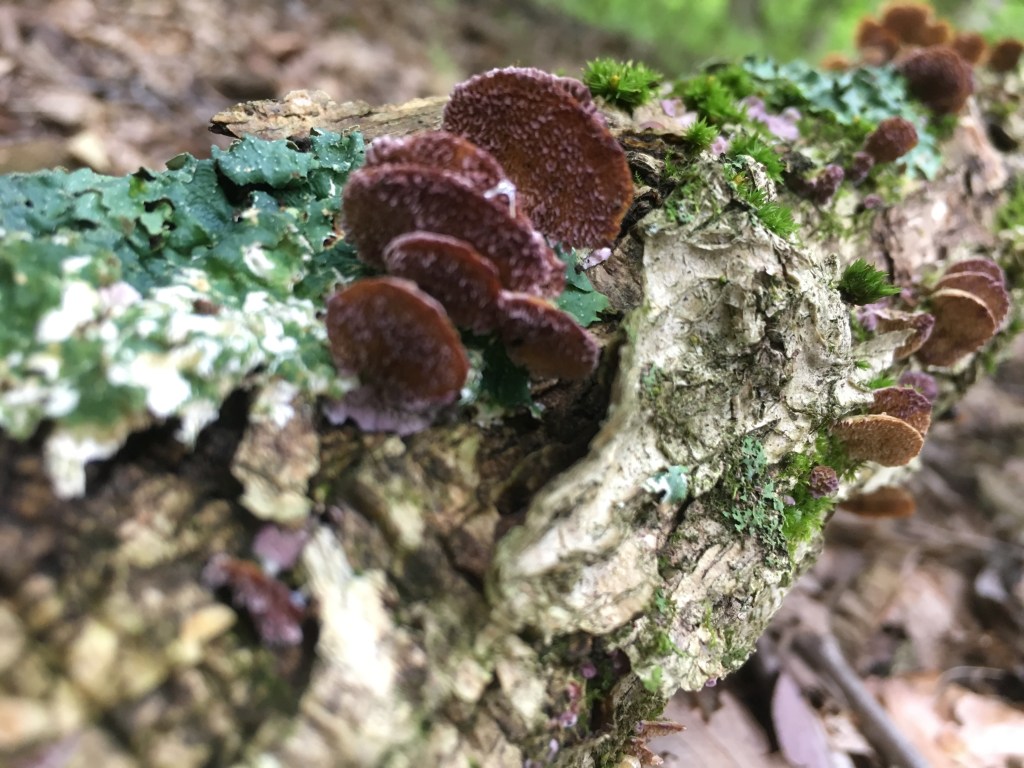
Violet-toothed polypore, at any other time of the year extremely bland.
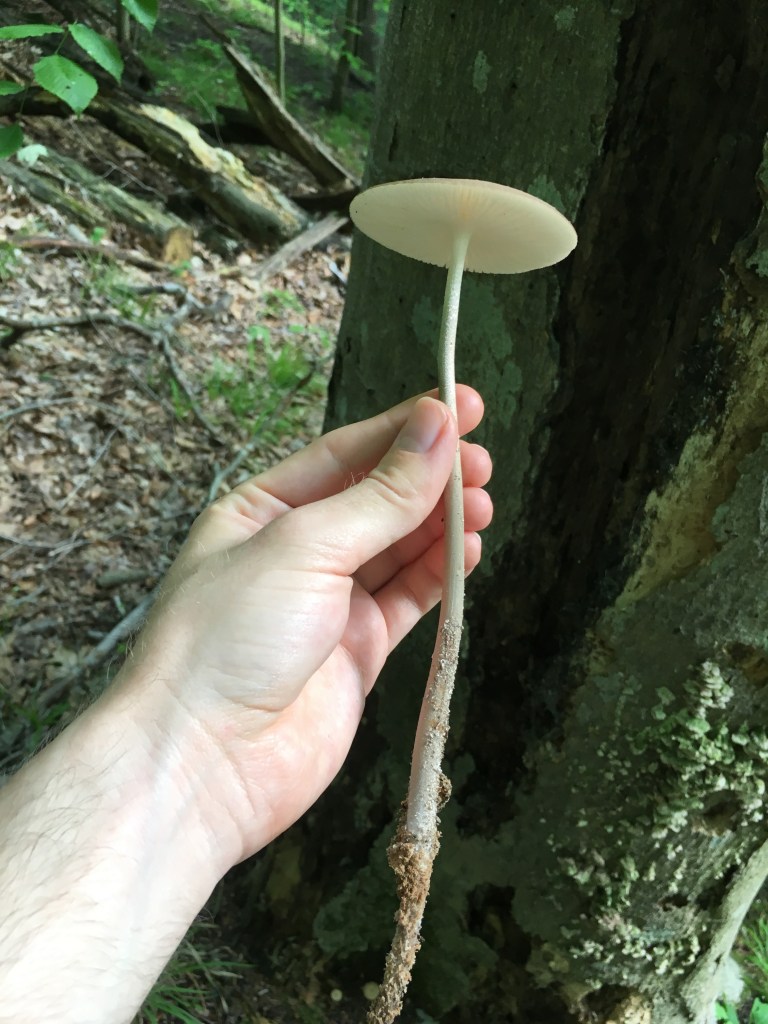
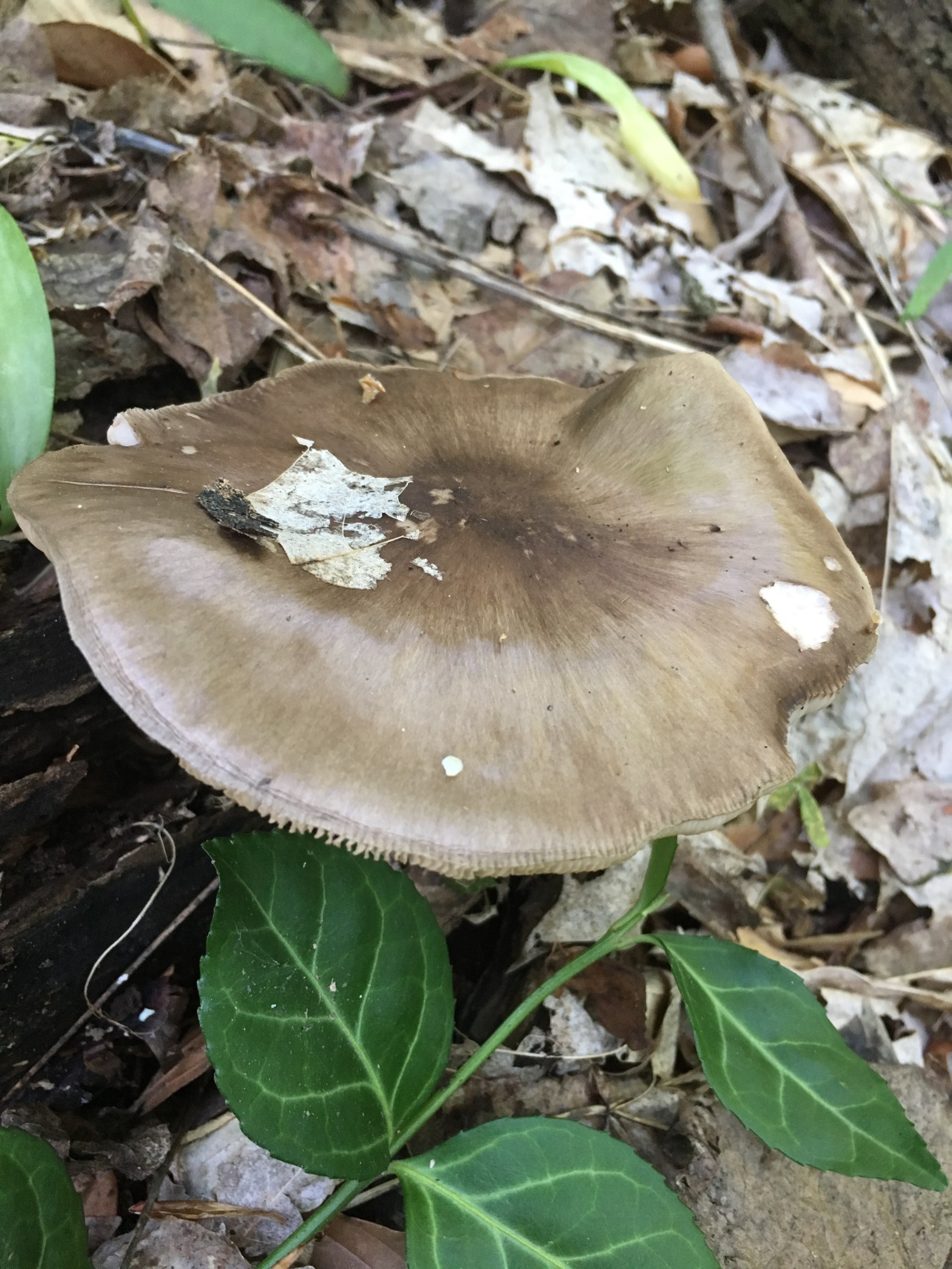
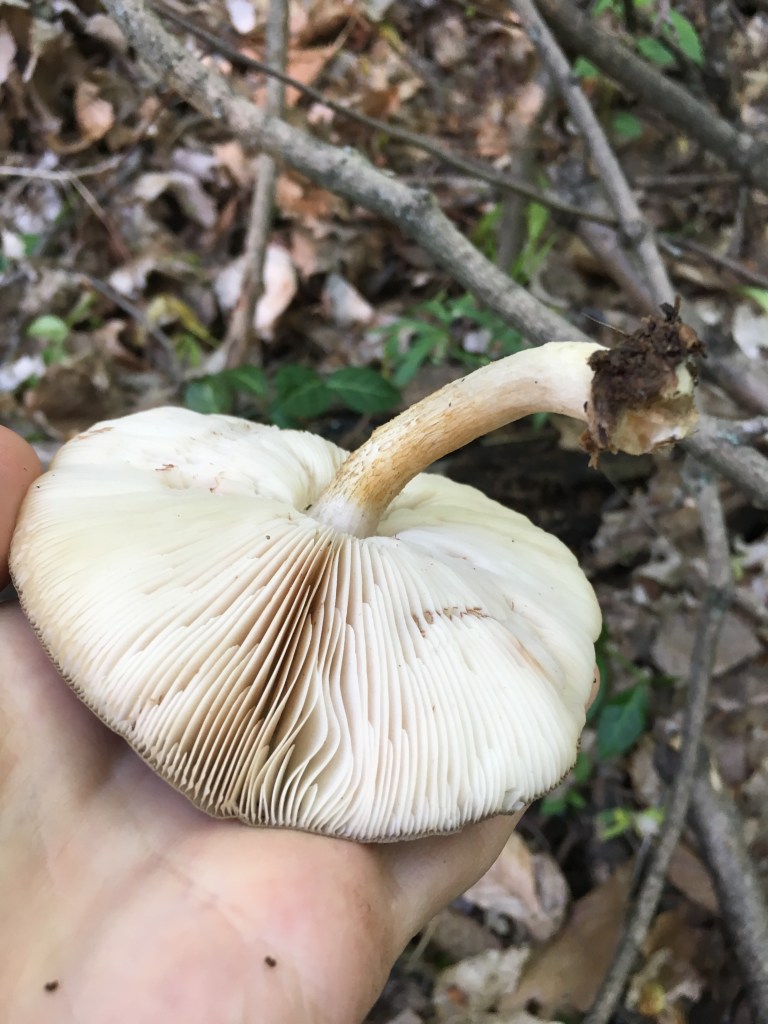
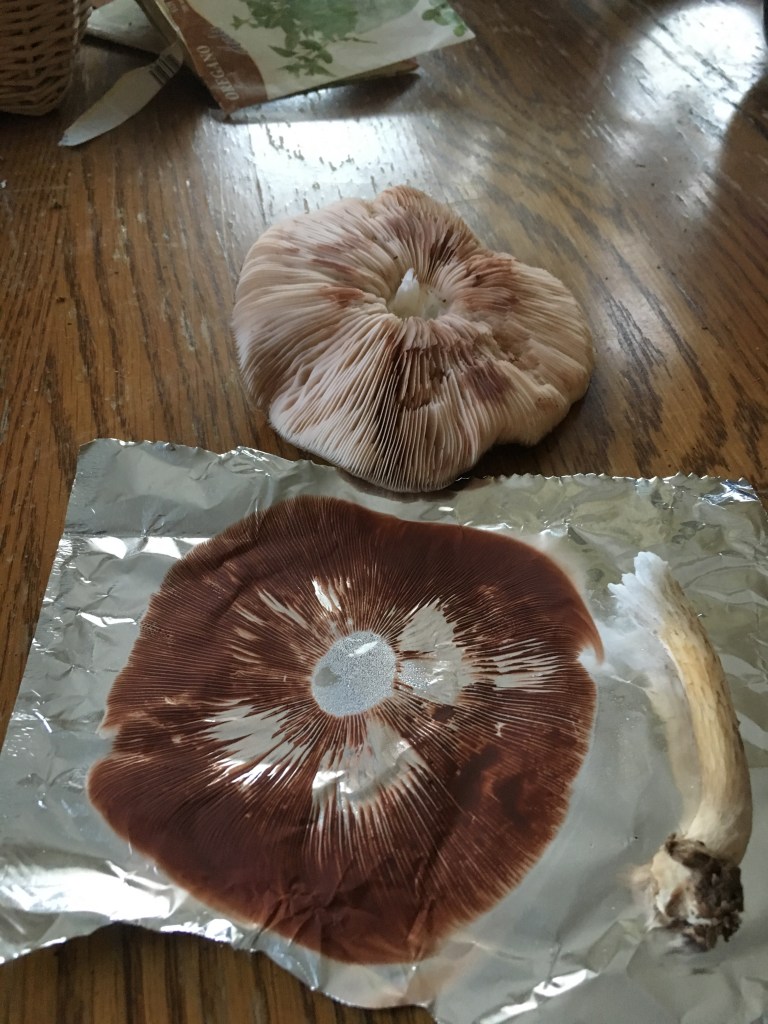
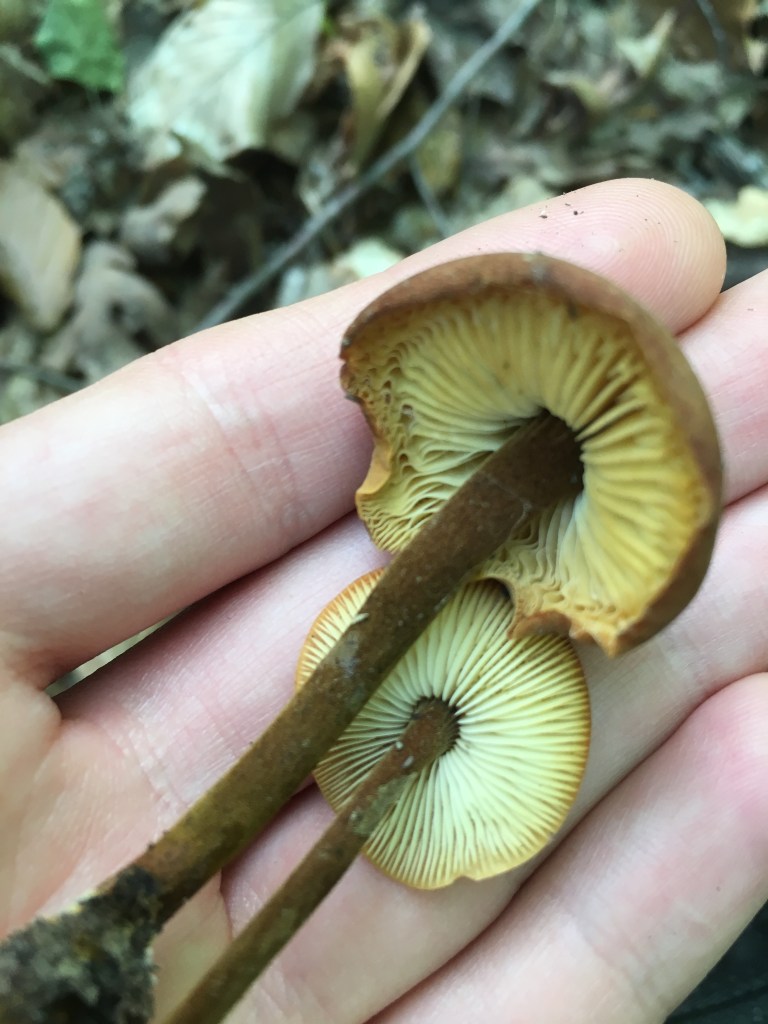
This mushroom is something of a mystery…

Morbid Mushrooms: What are Dead Man’s Fingers?

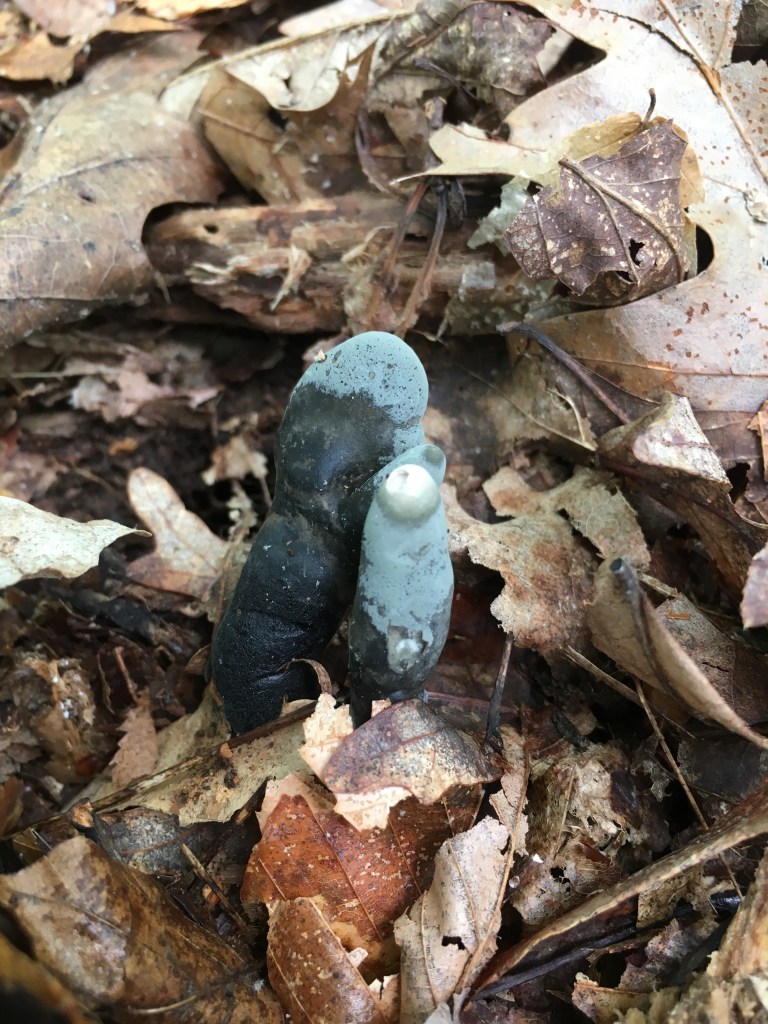
If there is a single fungus which exemplifies the morbid connotations of that word, it is “Dead Man’s Fingers,” Xylaria polymorpha. The wikipedia article, probably written by someone more familiar with mycology than literature, falsely claims that the fungus is mentioned in Hamlet Act IV Scene 7, when Gertrude describes Ophelia’s suicide.

“There with fantastic garlands did she come

Of crow-flowers, nettles, daisies and long purples

That liberal shepherds give a grosser name,

But our cold maids do dead men’s fingers call them”

Hamlet Act IV Scene 7

Unfortunately for mycophiles, the “dead men’s fingers” or “long purples” Ophelia wove into funereal garlands, are clearly not fungi, but a kind of flower, Orchis mascula, as you can read about more here: https://bardgarden.blogspot.com/2015/01/ophelias-flowers.html#:~:text=It%20is%20generally%20accepted%20that,macabre%20imagery%20of%20Ophelia’s%20death.

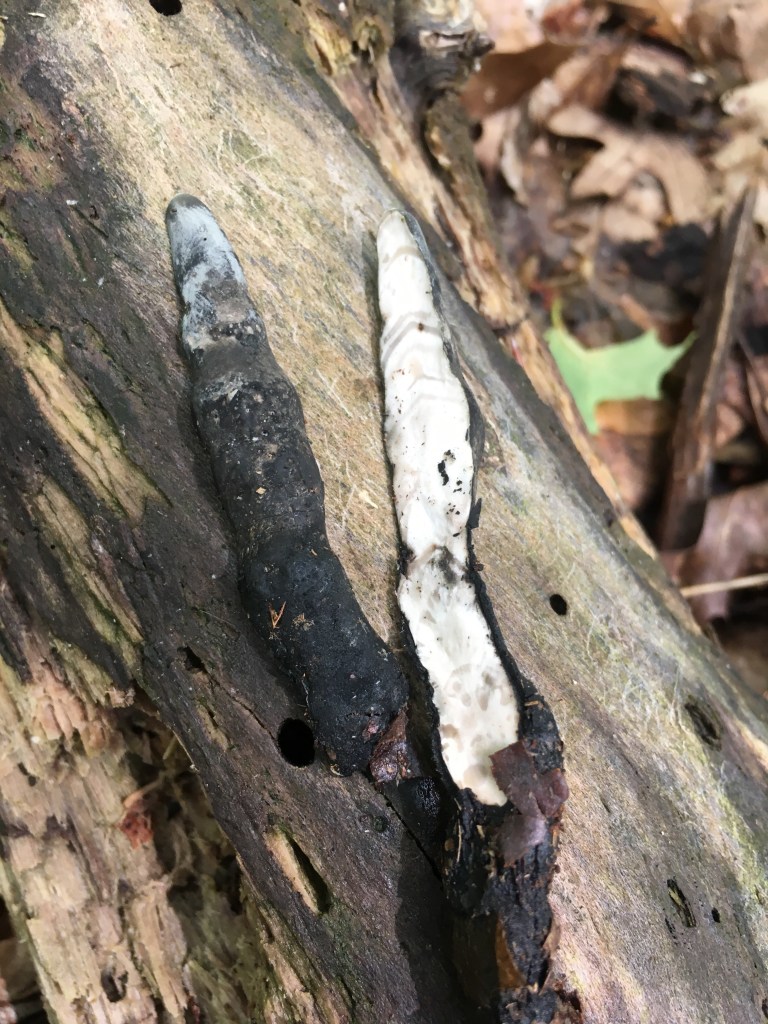
Despite not making an appearance in Hamlet, Xylaria polymorpha is a fairly uncanny mushroom. In Spring the “fingers” are blueish with white tips, but by the fall they are more bloated and black. The insides are white. They reach up out of the earth as if the underworld were grasping at our feet.

Strange as it may seem, personally I am a little bit pleased whenever I find Dead Man’s Fingers. Firstly, because it was one of the first mushrooms I remember identifying after I moved to Indiana. Secondly, I find their gradual metamorphosis interesting, not many other mushrooms (that I know of) slowly change over the course of seasons. Thirdly, and perhaps this is stretching it, but they seem like a kind of “crux mushroom” for understanding our relationship to mushrooms, and maybe to the “abject” or the uncanny in general.

Mushrooms occupy a sort of liminal space between Life and Death. Good as they do taste, a large part of the thrill of hunting for morels, for example, must be the strangeness of the things. Is this life? Is this death? You almost ask yourself when you find one and hold it in your hand. It occurs to me that there is a parallel between different societies’ attitudes towards mushrooms, and their attitudes towards death. In Kiev, I visited the Pechersk Larva, a cave monastery consisting of a series of narrow candle-lit underground corridors and chambers filled with the preserved bodies of various important religious figures going back to the 11th century. What struck me most was what seemed to me the veneration of the dead bodies themselves, rather than of an ideal spirit in heaven. I felt almost a sense of panic, which was heightened by the sense that for everyone else around me, the physical presence of death was a thing sought after. For me, it was not a spiritual experience, but what Post-structuralist theorist Julia Kristeva might call an “abject” experience.

https://en.wikipedia.org/wiki/Kiev_Pechersk_Lavra#/media/File:Iliya_Muromets_Kiev.jpg It is not this well lit in reality!

My point being, that perhaps there is a parallel between the Russian love of mushroom hunting, and the Orthodox fascination with the corruptions of the flesh on the one hand, and our American fear/distain for all things fungal and our Protestantism, which pictures virtue and vice as primarily mental, on the other.

Anyways, before I go too far out on a limb, it’s something you’re likely to see, and you might as well know what it is.

Mower’s Mushroom: Official Fungus of the American Dream.

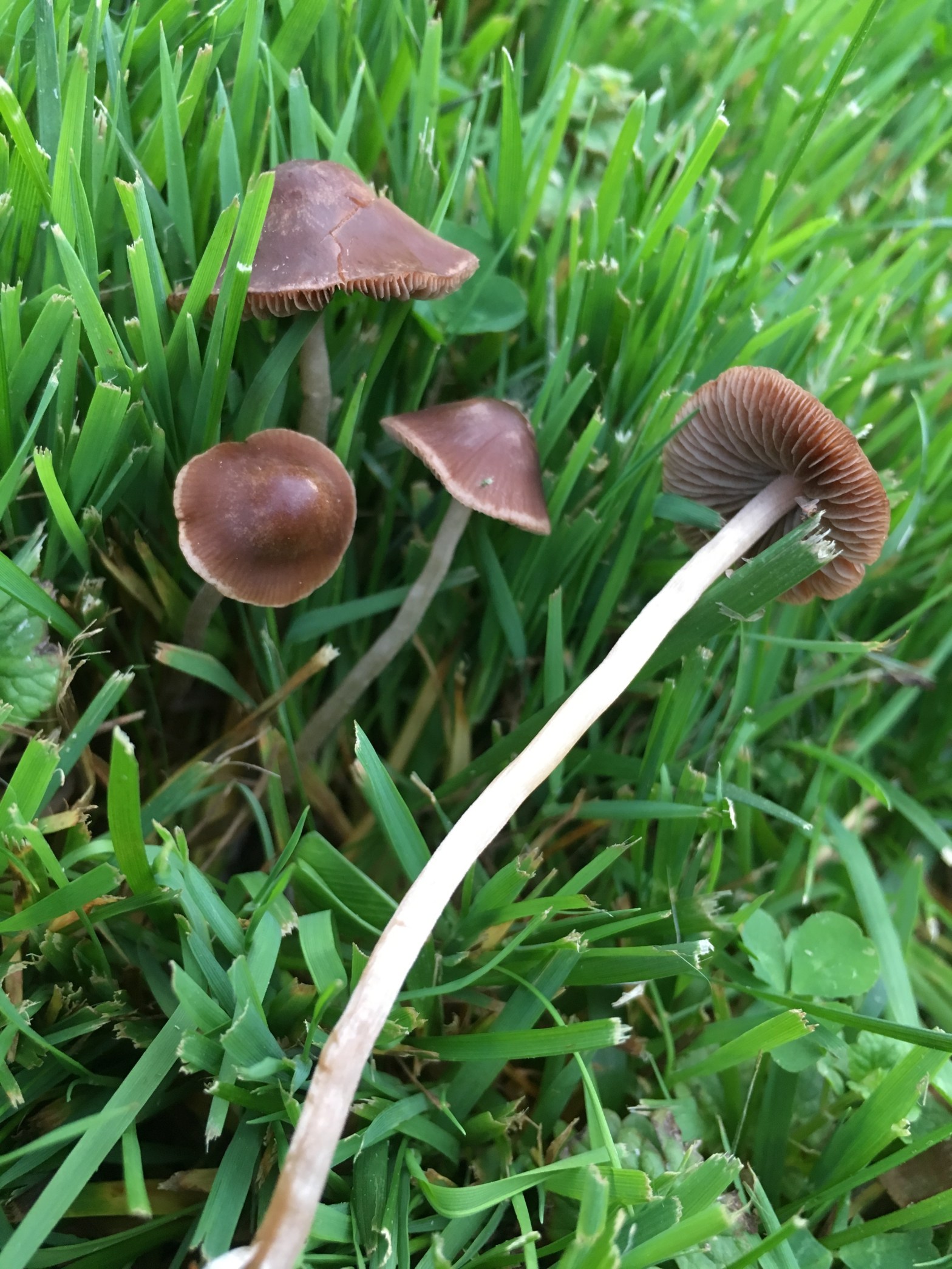
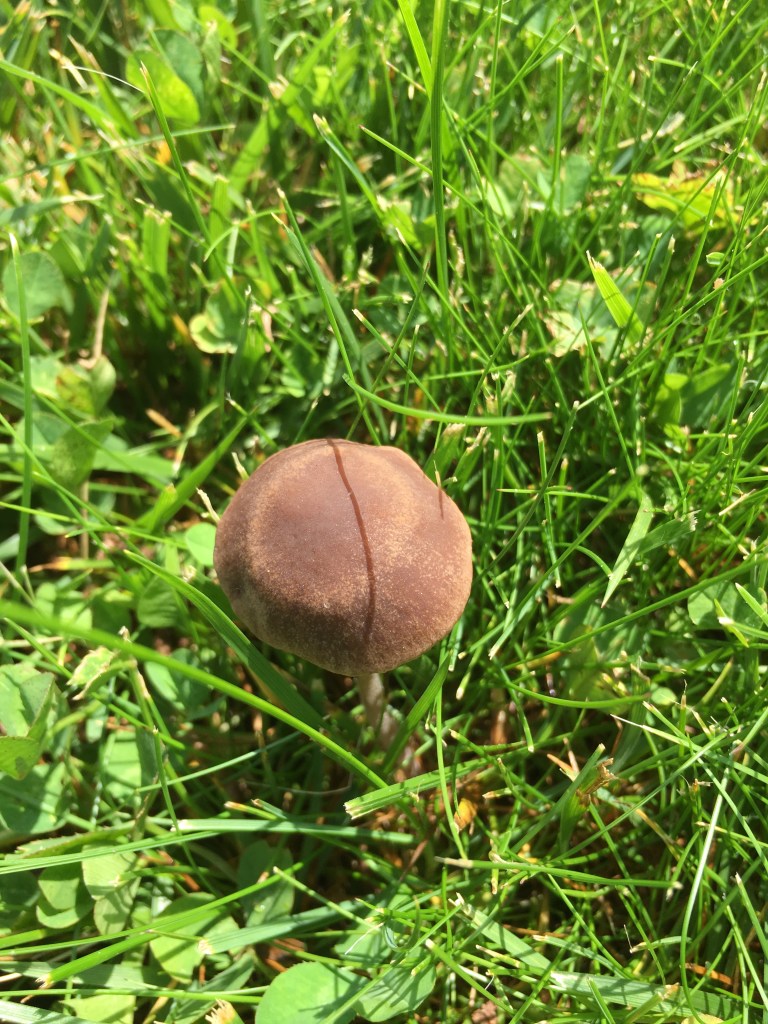
We’ve probably all seen this mushroom at one point or another. It’s something like the squirrel of the fungal kingdom. Ubiquitous. Suburban. I almost want to say “American.” The kind of mushroom you might encounter at a Memorial day bbq. Grass, ants, hot dogs…and Panaeolus foenisecii.

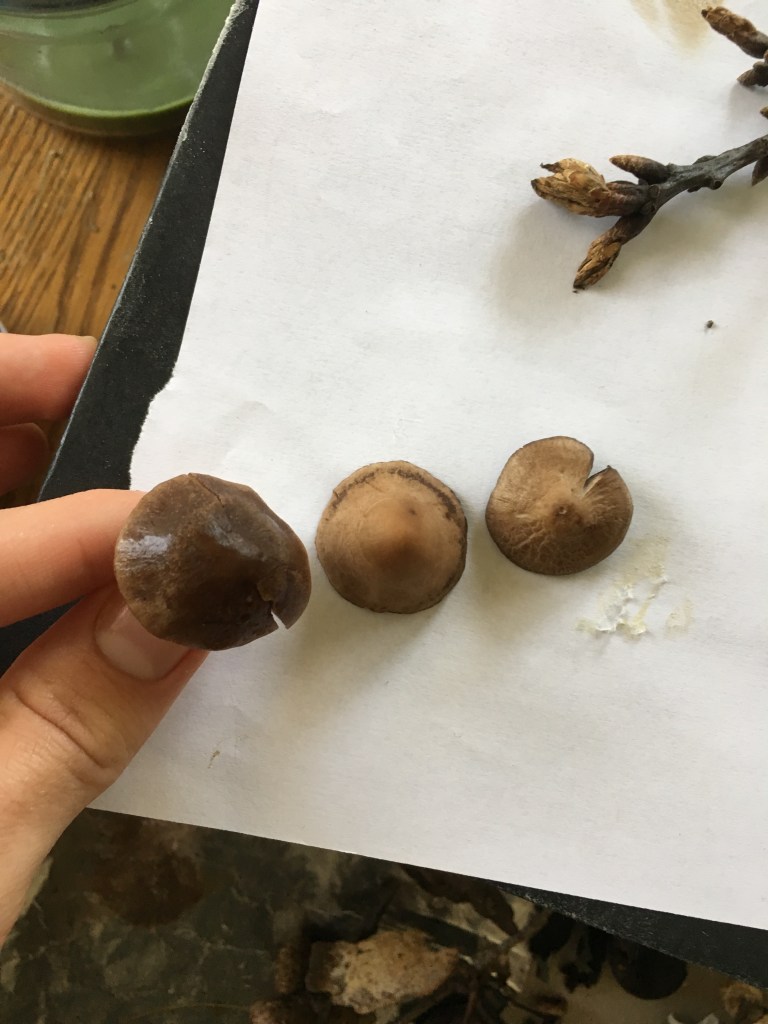
Mycologically, what are its distinctive characteristics? Perhaps the most interesting characteristic of the mower’s mushroom, is that it is hygrophanous, meaning that it changes color as it absorbs or loses water. This can create darker and lighter bands on the cap surface.

Notice lighter band of color
The two mushrooms on the right have become dried out and turned a pale tan, approximately 15 min after picking. The mushroom on the left, has been soaked in water to return it to its darker color.

Other than that, the main key identifying features are its small size (if you find something larger than say an inch and a half you have something else), and its grassy habitat. Some people claim that it is a psychoactive mushroom, probably because they are confusing it with other mushrooms in the same genus, which are either larger, or have jet black gills. But who knows, maybe it does act on some people that way. Luckily, it’s not poisonous, as large quantities are probably ingested by small children and pets across the States annually.

It’s not the most fascinating mushroom out there, but at least now you know what it is you are blending up every Saturday as you mow your lawn.

On a side note, some people apparently worry about what Panaeolus foenesecii means for the health of their lawn, or if they should try to eradicate it. All it means is that organic matter is being broken down into a more usable form for plants like grass, that can’t otherwise unlock those nutrients. So one, it would be counter-productive to eradicate it, and two, it would probably take an atom bomb.

What is a “deer mushroom”?

Show anyone you meet out hiking a fairly nondescript brownish-grey mushroom and they’ll probably tell you it’s a “deer mushroom.” But what actually is a deer mushroom, other than a catch-all term for things we can’t otherwise identify?

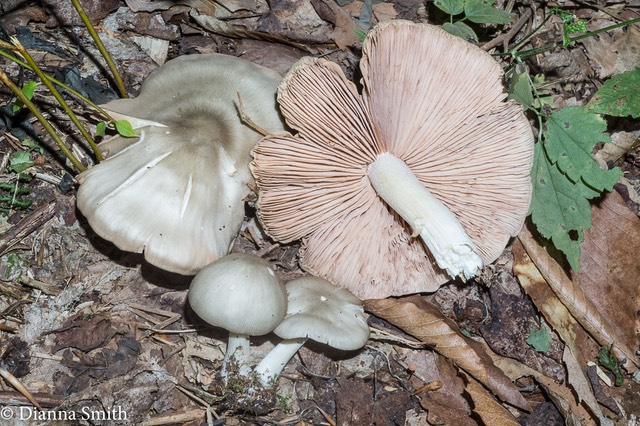
It’s actually fairly simple. A deer mushroom (Pluteus cervinus) has three key characteristics: 1) it’s growing from decaying wood 2) the gills don’t touch the stem, and 3) the gills turn pinkish with age, and drop a pinkish spore print. Keep in mind though, that what mycologists call “pink” isn’t what most people call pink. Look for a reddish brown or dark salmon color.

gills free from stem
“pink” spore print, notice how the gills turn pink with age

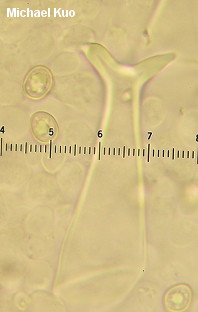
You might be wondering why it’s called a deer mushroom. Do deer eat it, or is it from the brownish-grey color of the cap? In fact, the name comes from a microscopic antler-like feature of the pleurocystidia (I’m not sure what exactly that is either).

https://www.mushroomexpert.com/pluteus_cervinus.html

A final note: not everything people call a deer mushroom is a deer mushroom. Several species of Entoloma mushrooms (some of which are toxic) look quite similar, at least judging from the cap. Entoloma sinuatum, which is responsible for about 10% of mushroom poisonings in Europe, also has pink gills and a brown cap. The key difference is that Entoloma mushrooms grow from the ground, not decaying wood, and that their gills touch the stem.

https://www.fungikingdom.net/fungi-photos/basidiomycota/agaricales-order-2/entolomataceae-family/entoloma-sinuatum-4-photos.html
Note that the gills go all the way to the stem!

Tree ID Continued: Oaks and Maples

Slowly but surely I am learning my trees. A couple weeks ago, in my post, “On Bark,” I wrote about ash, tulip, northern red oak, black locust and honey locust. Today I would like to add a couple oaks and maples to the list: Chestnut Oak, Black Oak and Sugar Maple.

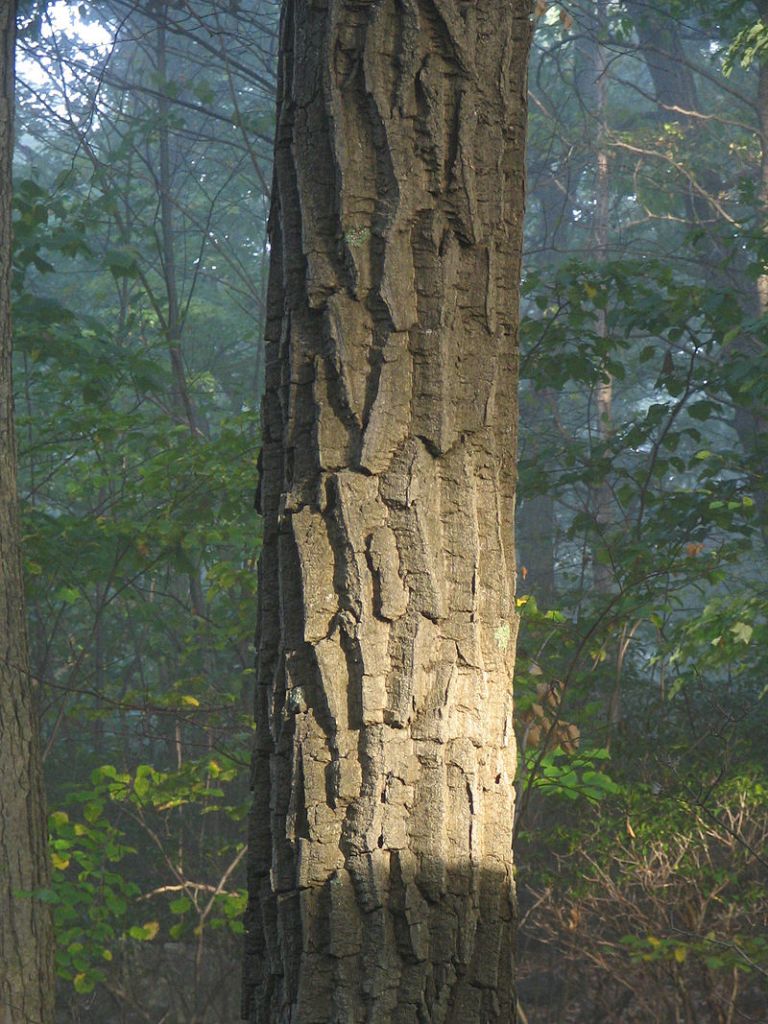
Quercus montana, or the Rock Chestnut oak, tends to grow, as its latin name implies, in hilly or mountainous environments. Its range more or less runs down the Appalachian mountains. Here in the South-central Indiana hill country, we are on the utmost edge of its habitat. And yet it is fairly common, especially up along ridges.

Its most recognizable feature, to me, is its bark. Wikipedia describes it as “massively ridged, the thickest of any Eastern North American Oak.”

https://en.wikipedia.org/wiki/Quercus_montana#/media/File:Chestnut_Oak_Bark.jpg

Notice that the ridges are broken, ie they don’t run down in long continuous vertical lines. Also, if you run your hand over them, the are slightly rounded. There is something “stone-like” about the bark (or maybe I just think that because it’s called a Rock Chestnut Oak). To me, they would make good candidates for Tolkien’s Ents, although they usually don’t get to be that big.
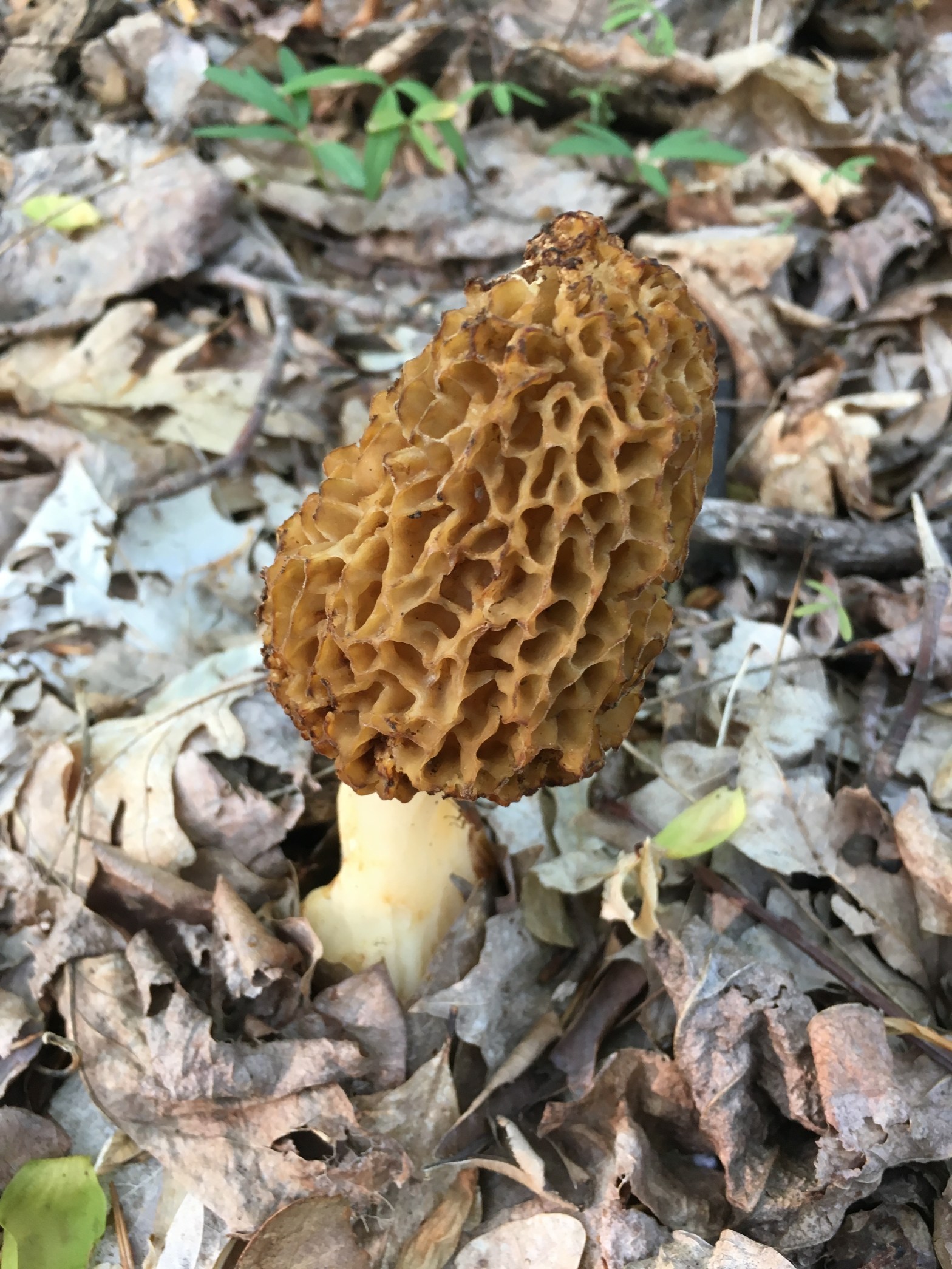
The leaves, and this is where I assume they get the name Chestnut Oak from, are less deeply lobed that other oaks.

I would also like to present the Black Oak. Like the Rock Chestnut Oak, the Black Oak, at least in Indiana, likes well-drained upland forests. I often see them along the same ridges where I find Chestnut Oaks.

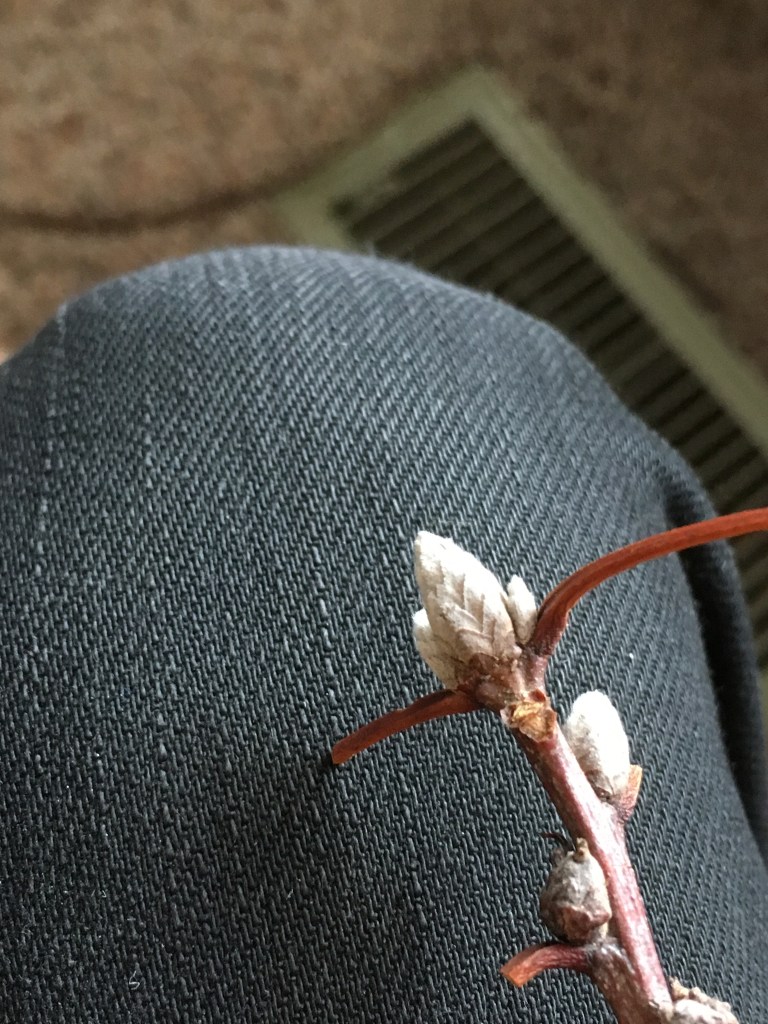
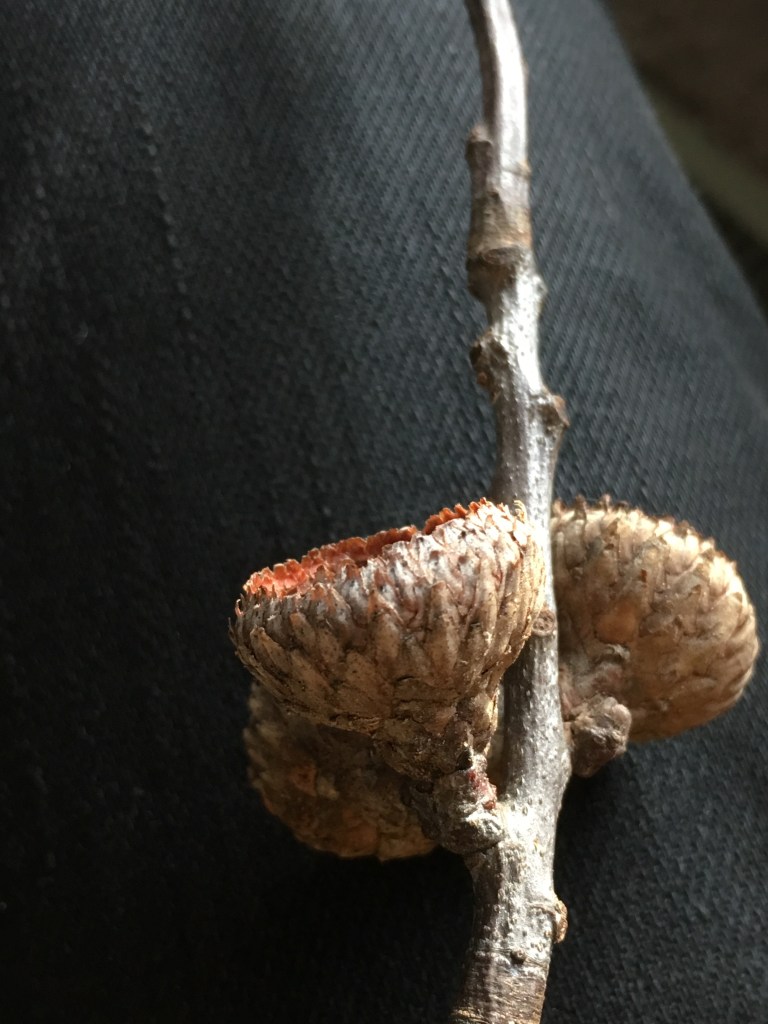
The leaves of Black Oak are similar to Northern Red Oak, but the bark doesn’t have those “ski trails” I mentioned a couple weeks ago. Rather, the bark is dark, as the name suggests, and “blocky.” The other thing that can help tell these two apart are the twigs and acorns. Black Oak has large buds covered with grey wool. You’ll also notice the young leaves are reddish, and very hairy. This probably explains the latin name “velutina.” Also, the acorns cover half the nut and are scaly, as opposed to the flat, saucer-shaped acorns of Red Oak.

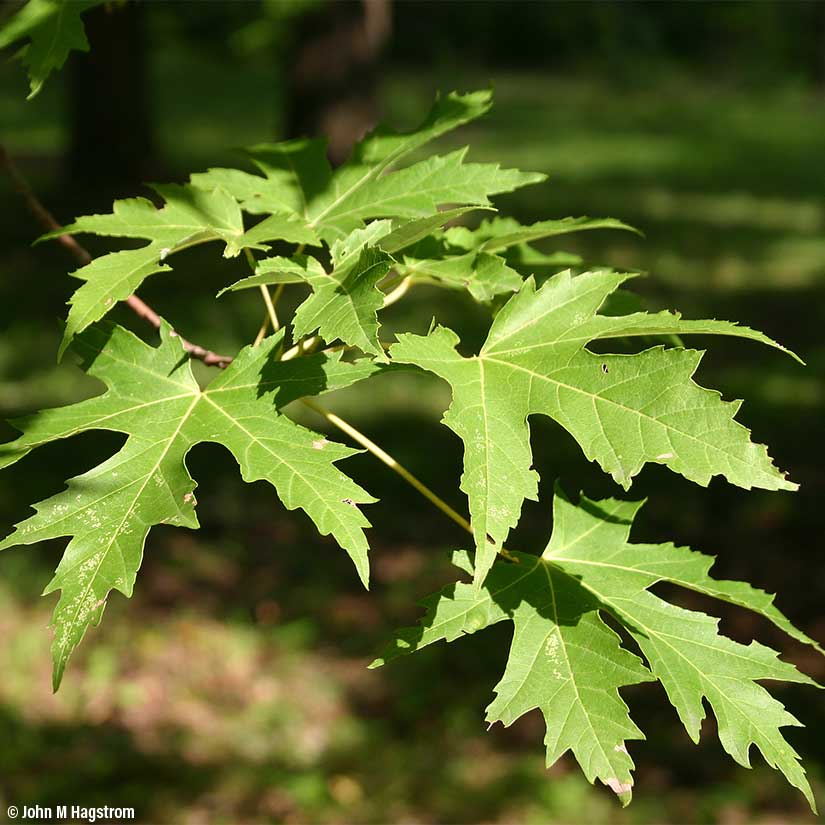
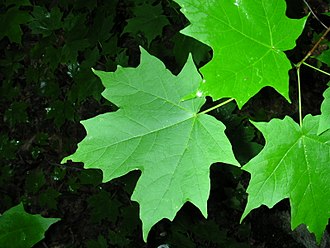
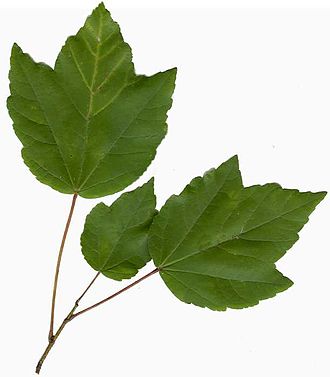
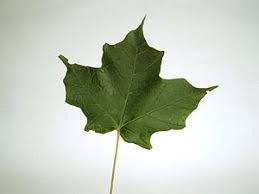
Lastly, maples. Personally, and I don’t know how much scientific backing there is for this, I divide them into two groups “Sugar/Black” and “Red/Silver.” The Red/Silver group have fruit which matures in spring (all those little helicopter wings spiraling into your backyard right now), and the Sugar/Black group have fruit which matures in autumn. Also, Red/Sugar maples have more jagged leaves, while Sugar/Black maple leaves have rounded edges.

Sugar maple is the leaf on the Canadian flag, with five lobes like a hand. Black maple is similar, except the thumb and pinky, so to speak, are a little bit less pronounced. It’s sometimes described as like a “goose-foot.” Red maples, look more three-pronged, and have V-shaped notches between the main lobes. And silver maples are unmistakable with their sharp-angles and deep incisions, the most spiky looking of the four.
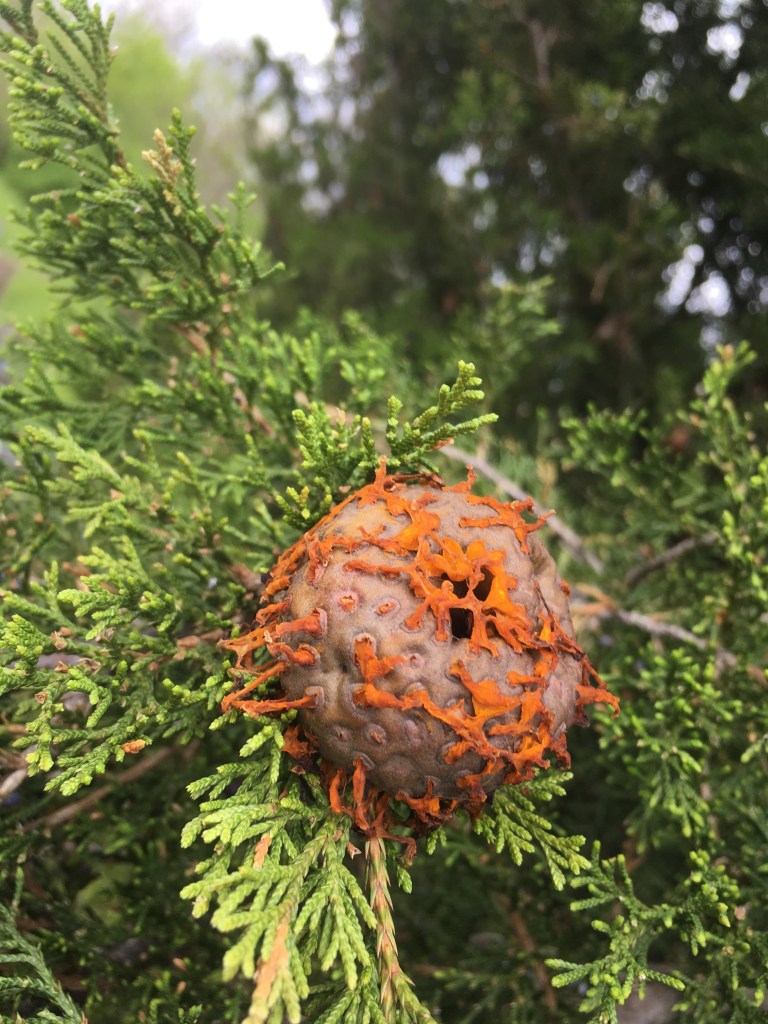
And now for a quiz, can you tell which is which?

What’s growing in my yard?

Taking a break from hiking this week, to learn about three things growing in my backyard (and probably yours).

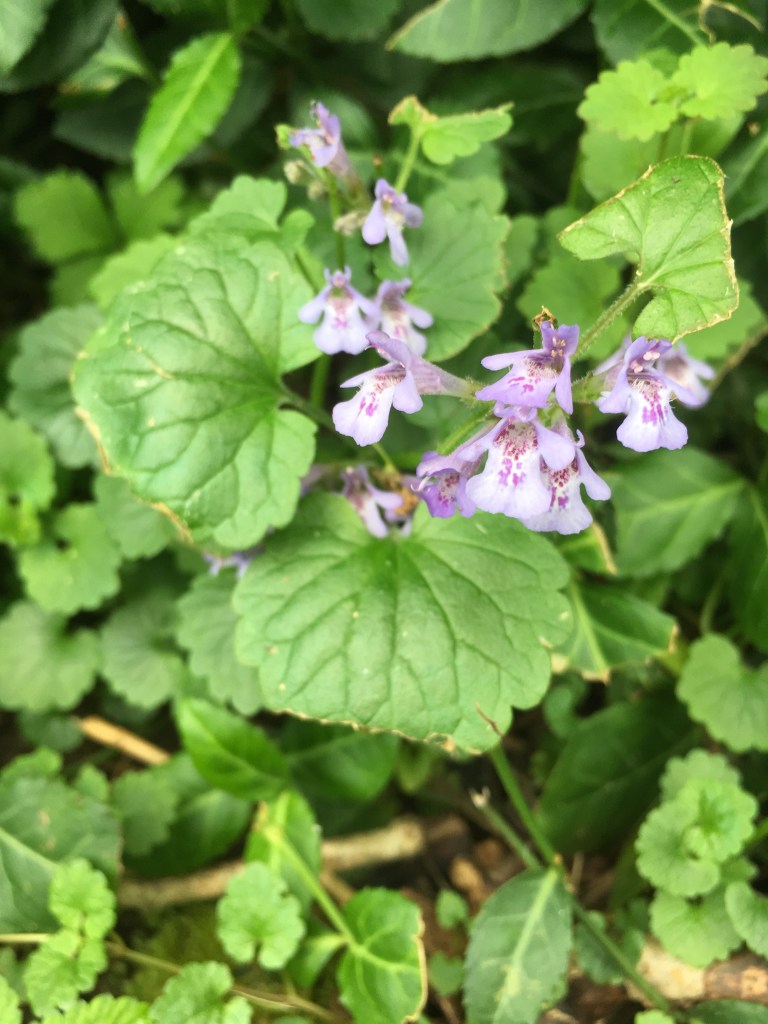
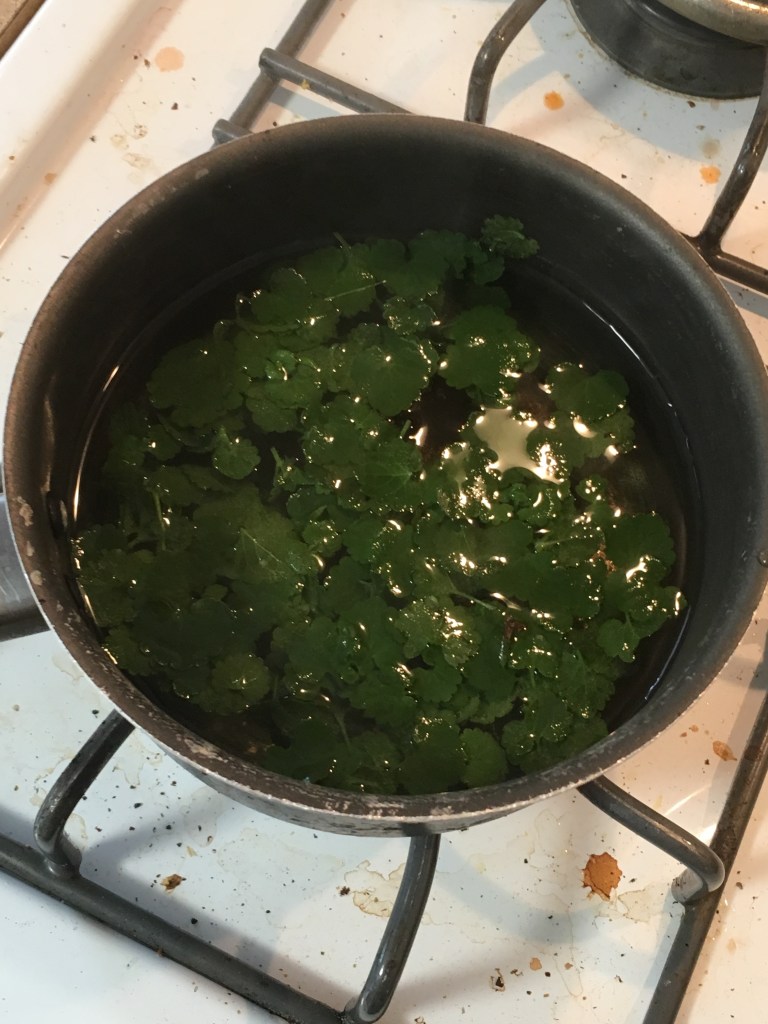
Number 1: Glechoma hederacea, aka “creeping charlie,” “ground ivy,” “alehoof,” “catsfoot,” “field balm,” “Couronne de Terre,” “Run away robin” etc, etc… As its many, many names suggest, this weed has been a part of human life for a long time. Before the widespread use of hops, “alehoof” was used in the brewing of beer. If you are curious what Saxon beer tasted like, here’s a hint. It was also used in traditional medicine as a remedy for “ache in the huckle bone,” whatever that means. For more info see WebMD: https://www.webmd.com/vitamins/ai/ingredientmono-26/ground-ivy I have used it for tea, which I would say is better than passable.

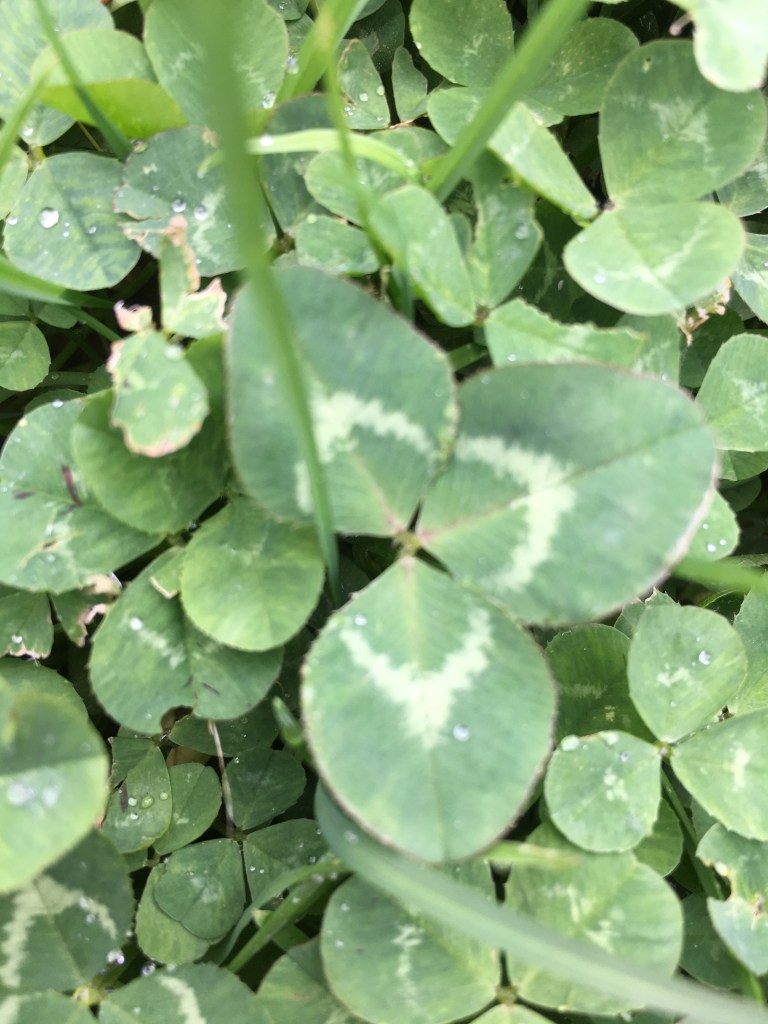
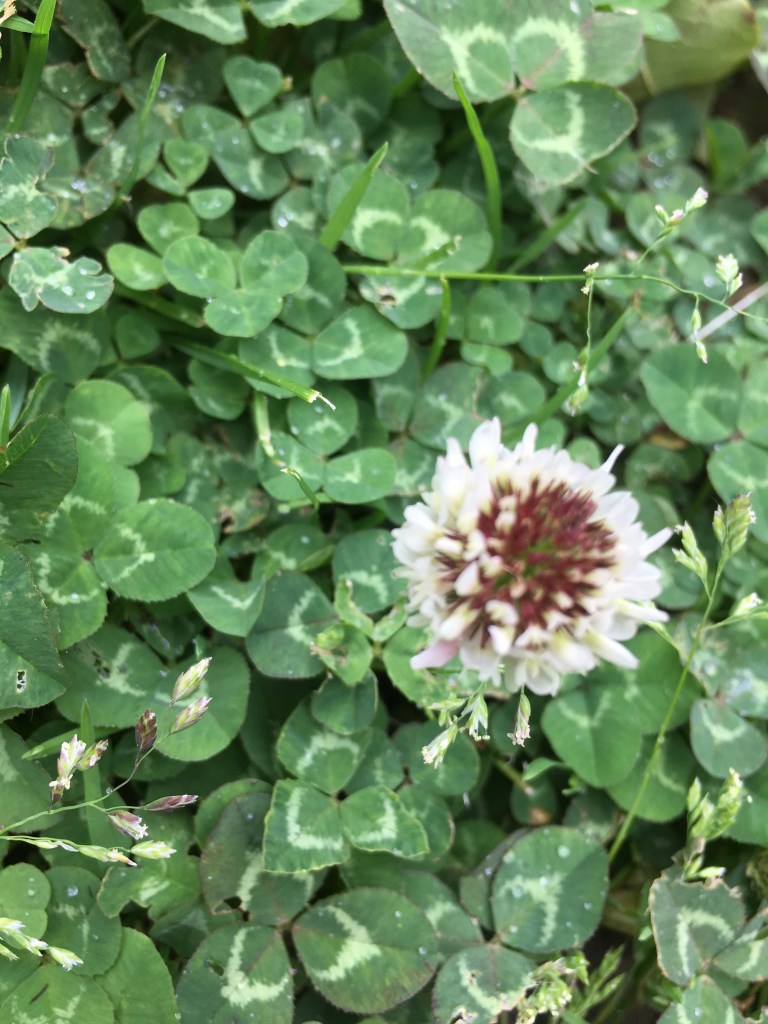
Number 2: White Clover. Again, this is a plant native to the British Isles. Look no further than your lawn for the signatures of our British past. White clover is also edible, being apparently high in proteins. The dried flowers have even been used as an alternative to tobacco (haven’t tried this one yet).

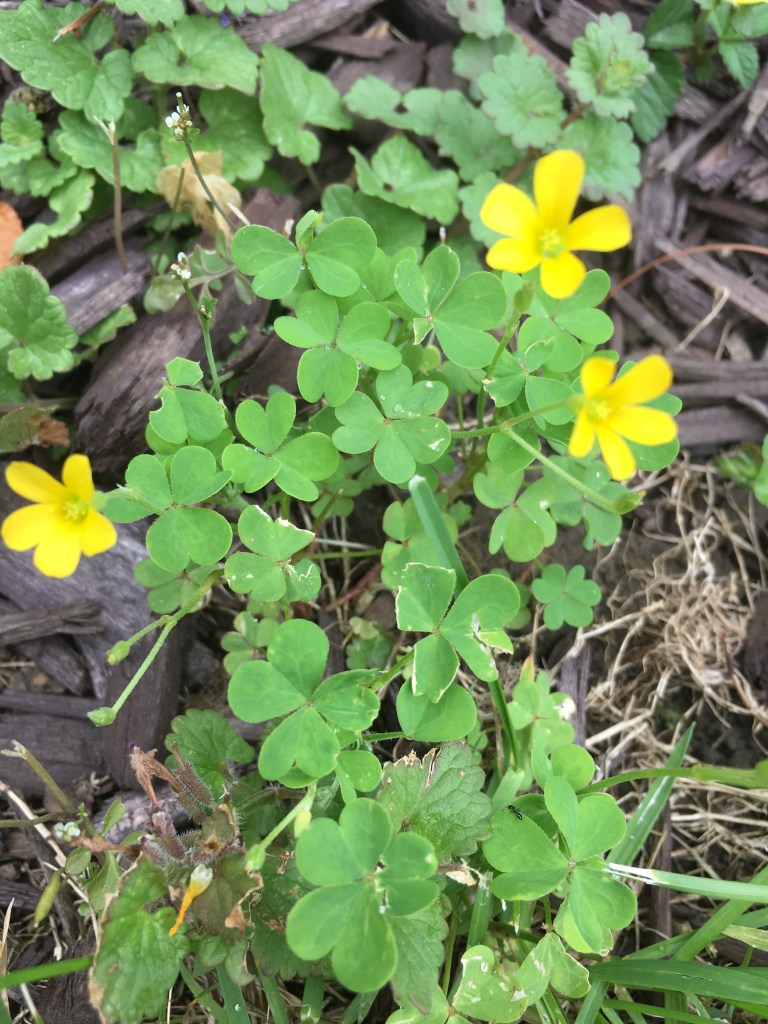
Number 3: A plant that could almost be mistaken for white clover: Yellow Woodsorrel. Out in the woods I tend to see violet woodsorrel, and in the city, for whatever reason yellow. Like white clover it has tree leaflets, but they are more heart-shaped. Also they tend to droop. This one is actually native to North America, and I’d say it’s rather desirable as far as “weeds” go. The taste is sour (it’s also called “pickle plant or sourgrass) in a pleasant, tangy kind of way. It was used by Native Americans to quench thirst and also makes a good tea, or even syrup. You shouldn’t eat too much of it though, because oxalic acid inhibits the body’s absorption of calcium.

Late Spring, Mushrooms and More!

Morel season is in the books, but what we’ve lost in culinary thrill we’ve gained in variety. Has anyone else seen these?

Juniper-Apple Rust
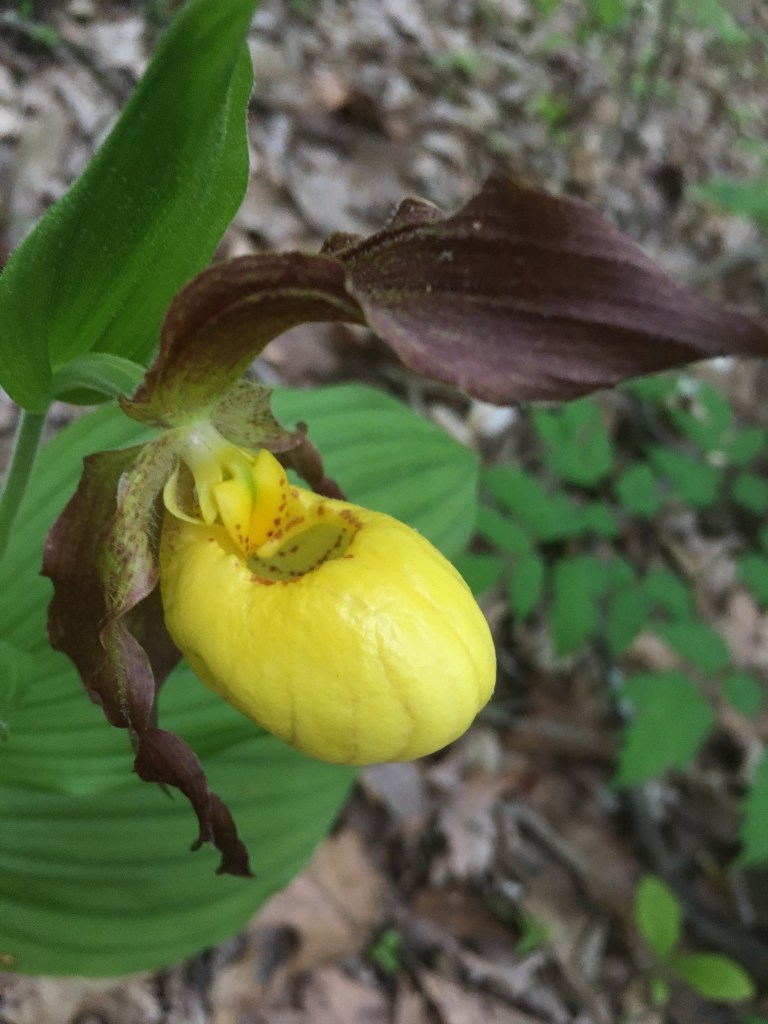
Yellow Lady’s Slipper (moccasin flower)
Golden Waxy Cap (exact species uncertain) looks like a lemon candy to me.
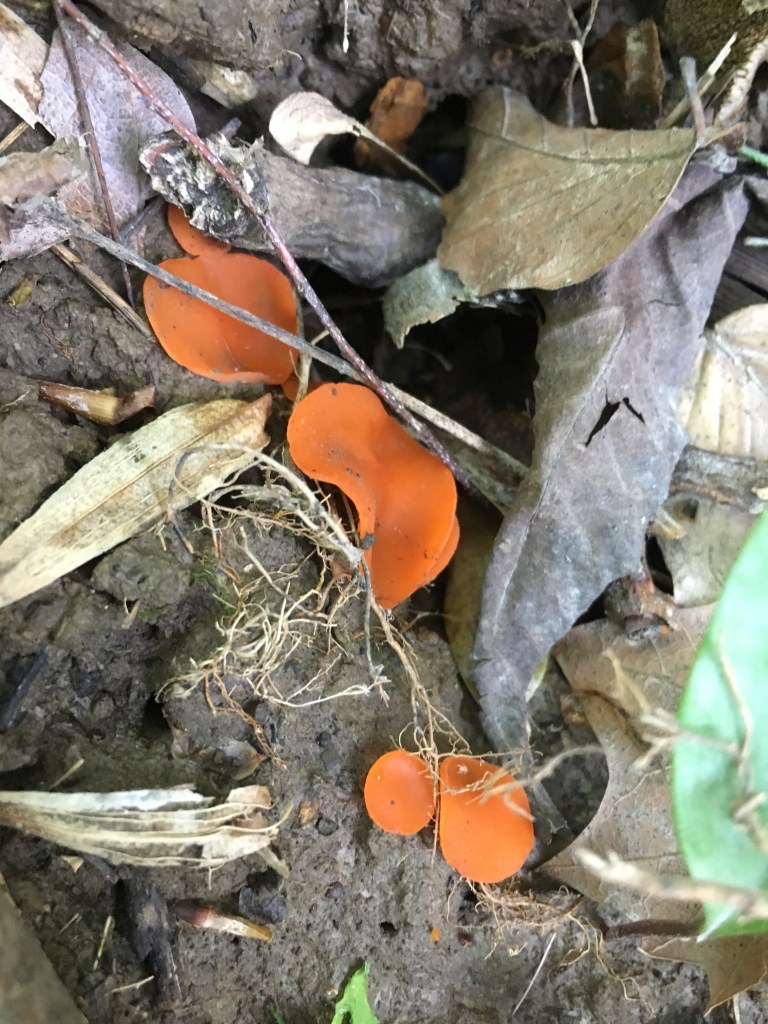
For once it’s not somebody leaving their orange peels behind, it’s…Aleuria aurantia (aka Orange Peel Fungus)
Xeromphalina tenuipes. Key features: fuzzy olive-brown stem and dry cap, not to be confused with the enoki mushroom Flammulina velutipes
Vinegar Cup
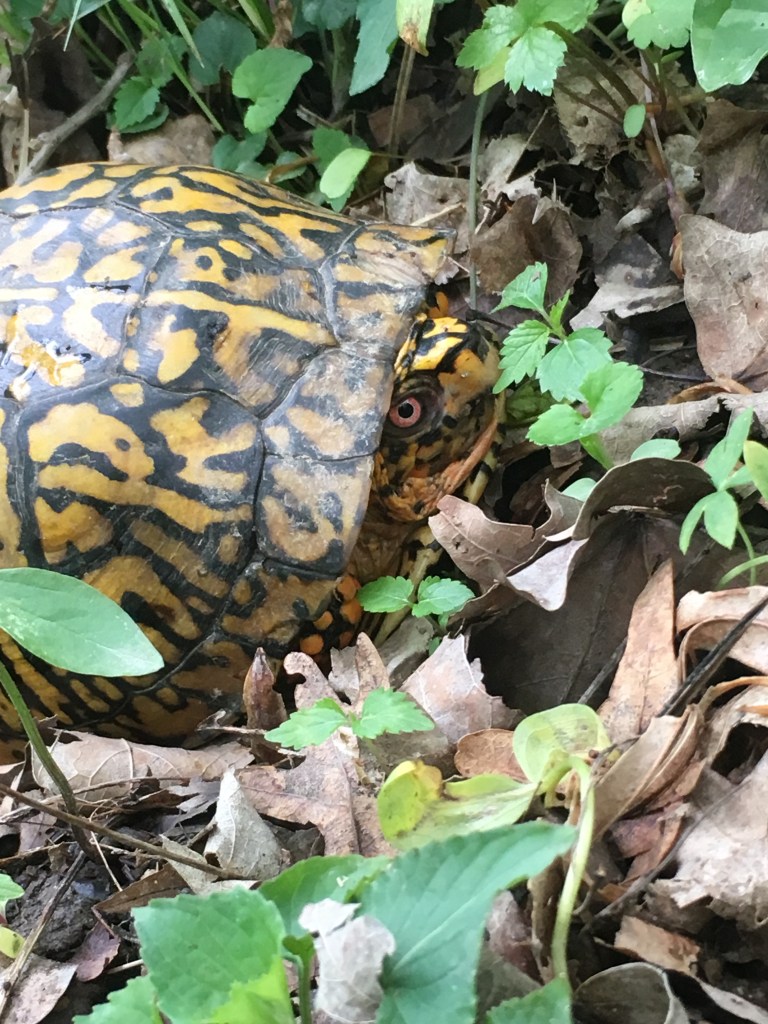
Box Turtle

The Politics of Rain Man

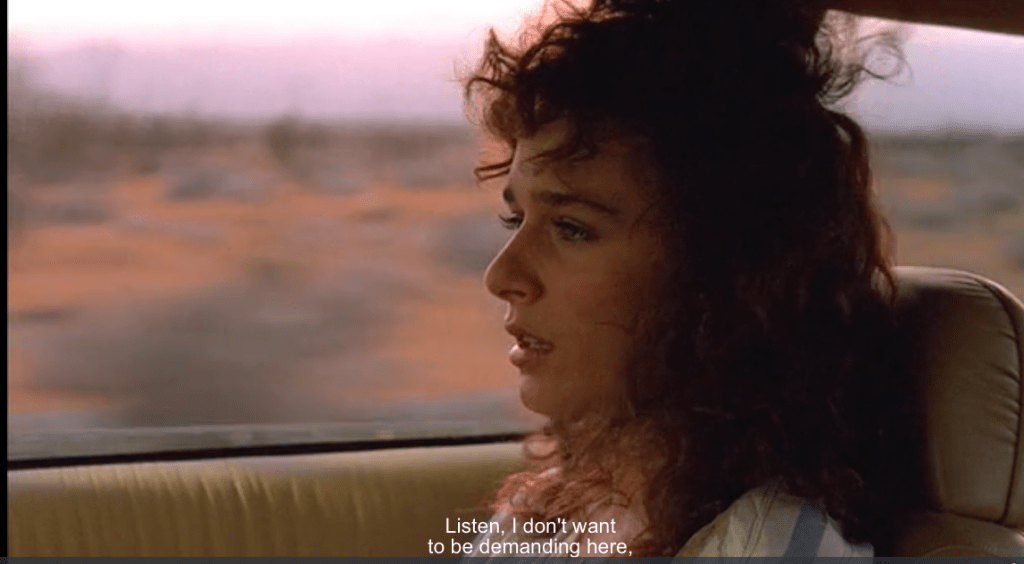
Rain Man opens with a scene which could be the picture definition of “toxic.” Toxic workplace, toxic masculinity. Tom Cruise, the wheeler-dealer son a multimillionaire is yelling at people in order to make a profit on some lamborghinis. The EPA (which stars more prominently as arch-villain in another Reagan-era hit: Ghostbusters) is holding things up.

Though it was Dustin Hoffman who won Best Actor in a Leading Role, Tom Cruise’s character, Charlie, is the real focus of the film. He is not portrayed flatteringly (most American heroes aren’t: think Captain Ahab, Norman Mailer, There Will be Blood, Mad Men, etc…). We have penchant for glorifying the ugly, at least when it’s male and violent. The movie does a great job of showing the childish self-pity and destructive solipsism of Charlie Babbitt. It is fully aware of the problems of his character. “You’re using me, you’re using Raymond, you’re using everybody” his Italian-immigrant girlfriend points out before leaving him.

And yet, she comes back in the end. As so often in Hollywood movies, there comes a point where the critique stops, or rather fades out into sentimentality. There is no longer a need for critique or subversion, the movie implies, because the bad guy has gone through a change of heart. He has learned to feel for another human being, his autistic brother Raymond.

While this is not an exclusively American maneuver, it is our national “method of dealing with guilt” of preference. Racism was horrible, but we don’t have to worry about that anymore because we’ve had a black president. Protest, subversion and individuality are all virtues sacred to us, as long as they belong to a hallowed past. We live in a present which has been cleansed of ties to the past by our great forefathers. Abraham Lincoln, who Christ-like, took on himself the burden of slavery, and cast the demon out at the cost of his life, is perhaps the greatest example.

And how much of a connection does Charlie really make? The focus on emotional, familial ties and physical contact in the final scenes are ironic in a movie about a person with autism. The solution to toxic capitalism/masculinity is not that Charlie has to submit to some form of reparation to Susanne, his immigrant girlfriend who he has been exploiting and abusing both as a lover and as an employer this whole film, but that, through the miracle-working powers of family (one of Reagan’s key ideals), the slate will be wiped clean and our hero will be allowed to start afresh—without anything forcibly changing his behavior except his own change of heart.

Everything is so well done: the acting phenomenal, the directing and filmography subtle and intelligent, the depiction of a person with autism reasonably humane—if only there were some way we could avoid, or put to the side, the film’s political message.

How to ID a Mushroom

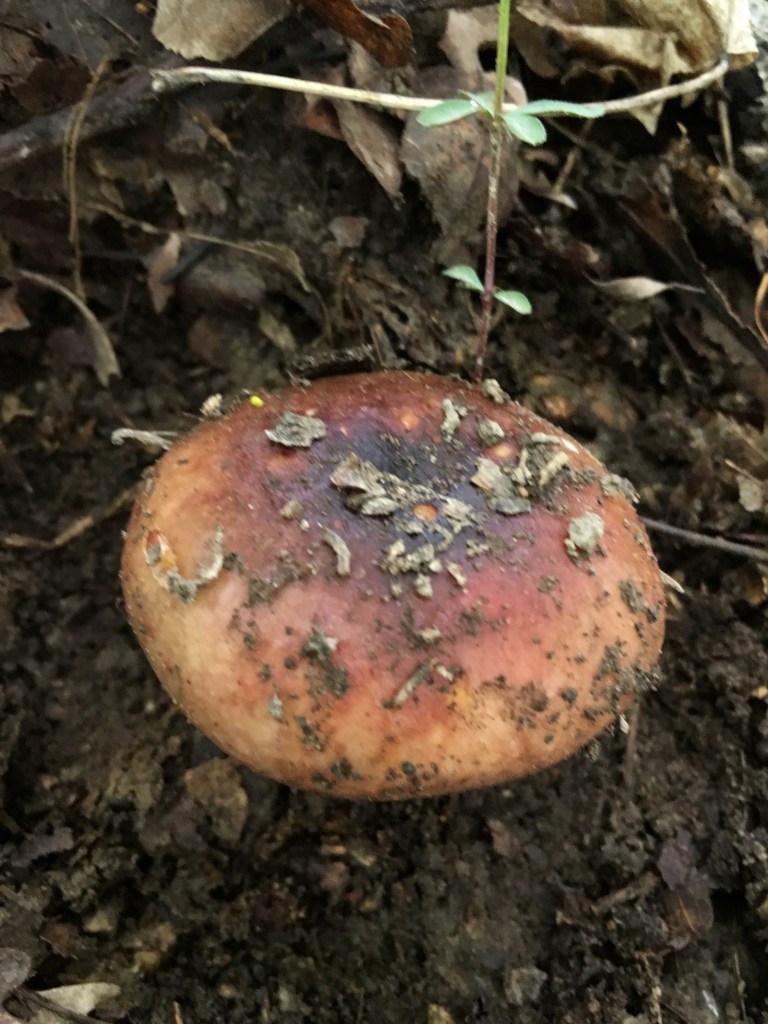
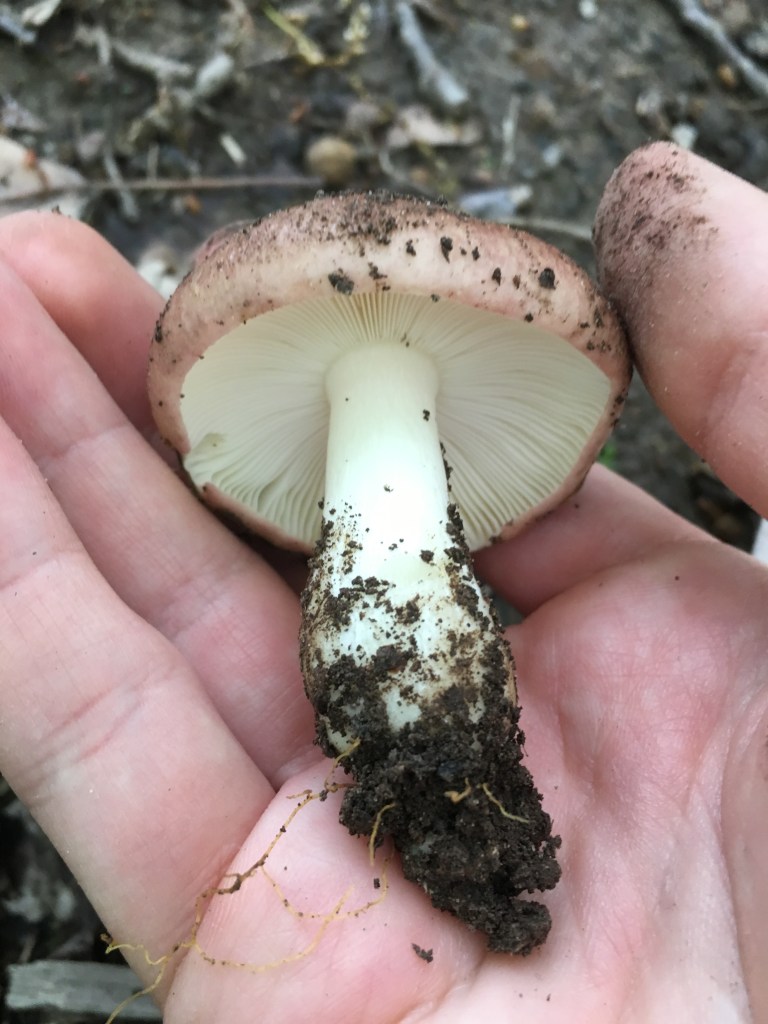
Ok, you’ve spotted it, growing there a couple yards off the path:

now what? Well, first look up and see what’s growing around it. In this case, we’ve got a pretty mixed hardwood forest, oaks, hickories and tulips. Is it growing on wood? No, it’s terrestrial, this means we probably have a mycorrhizal mushroom (meaning it forms a symbiotic association with the root system of a tree). Next, we carefully dig it out of the ground, trying to preserve the entire stem.

And now it’s time to get out the guide book and look for the identification key. Let’s go!

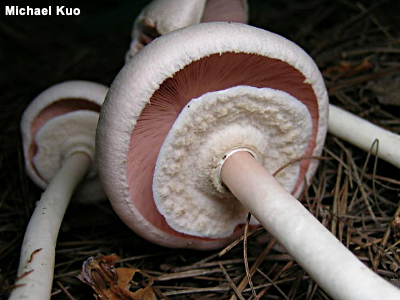
Question #1— gills? Yes. #2—Growing shelf-like on wood? No. #3—False gills? (ie. not separable from the mushroom) No, we’ve got true, “plate-like” gills. #4—Spore print pink to brownish pink?…

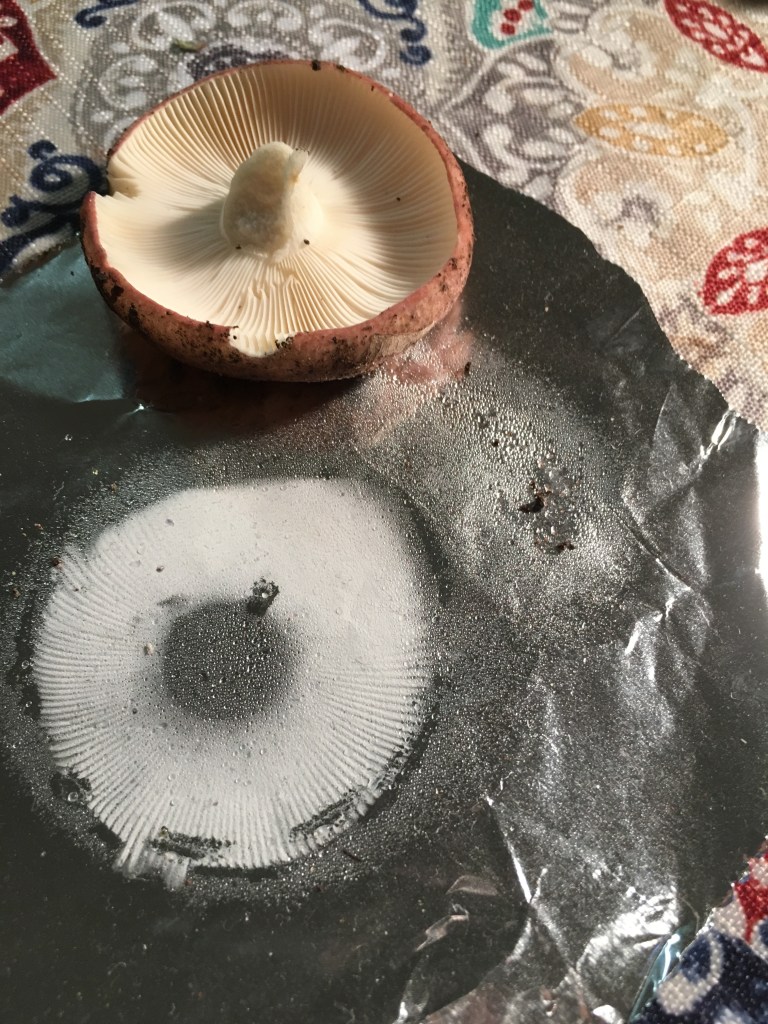
Now we’ve got to go home and take a spore print. Basically, you place the cap flat on a sheet of aluminum foil, cover it with a glass jar so no air gets in or out, and wait overnight.

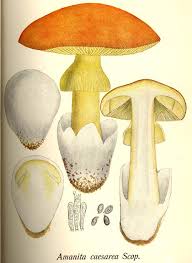
Our spore print is definitely not pink, so moving on. #5— Spore print white, yellow to orange, lilac, or green? Yes, it’s white. #6—Spore print green? Nope. #7—Mushroom with a universal veil, a slime veil, and/or a partial veil?

mushroomthejournal.com
mushroomexpert.com
mushroomexpert.com

Nope, none of those. Our mushroom has a clean, simple stipe. #8— Gills very thick, waxy, distantly spaced? No, they are thin and closely spaced. #9—Mushroom producing a white, colorless, or colored “milk” when injured?

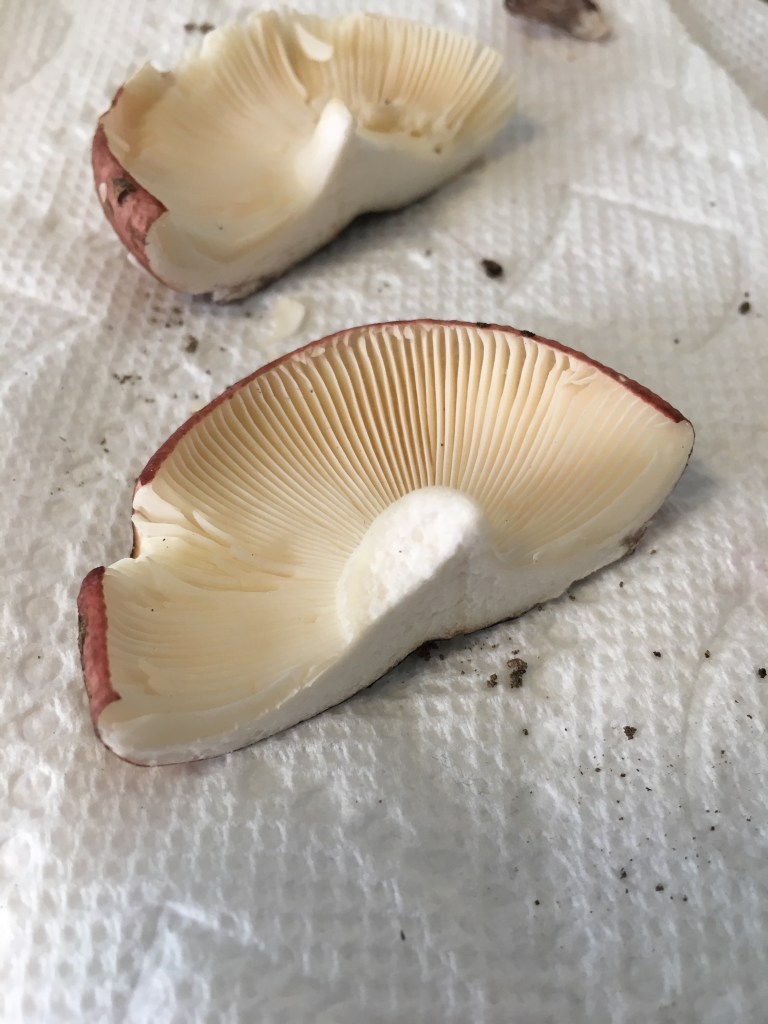
Usually in order to identify a mushroom you have to mangle it a bit. Get out a knife a slice the gills slightly and then cut the mushroom in half.

Nope, no “milk.” #10—Flesh white, crumbly, and brittle; stem usually brittle; cap about as wide as the stem is long? Yes, as a matter of fact. The stem has the feel of very soft chalk. Notice also that the stem is solid all the way through and their are no “fibers” running up and down it. This means we’ve narrowed it down to about 750 species in the genus Russula. Congrats!

#11 — distinctive strong odor? Nope. #12—surfaces bruising red, then black? Gently bruise the cap of the mushroom with a fingernail. Nope, no bruise. #13— Gills white, soft, and frequently forked; cap usually mottled purple and green. No, our gills are quite regular and there’s not a hint of green. #14—Cap purple to purplish red; when young with a whitish dusting; stem flushed with purple or pink. Hmm, this is a tough call, but I’m not seeing any purple or pink on the stem, so no. (if yes, then we would have had Russula mariae:

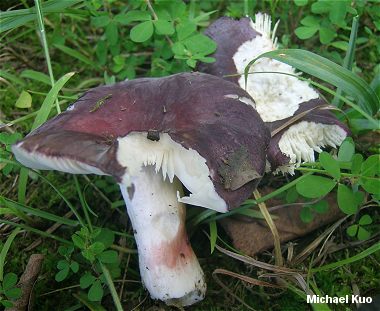
https://www.mushroomexpert.com/images/kuo4/russula_mariae_01.jpg

#15— Young cap with a layer of yellow, powdery granules? No. #16—Gills and stem bruising slowing but conspicuously reddish brown; cap near white when young? No. #17—Cap some shade of yellow or brown? Again, a tough call, but I’m going to say our cap color is closer to red or pink than brown. #18—Associated with conifers? (Remember how we check the trees around it?) Definitely not. #19—Flesh extremely fragile and brittle (cap and stem very soon falling apart)? Well, I got it home in one piece so probably not. #20—Mature cap thin, usually <5cm across; stem flushed with pink. Our cap is almost exactly 5cm but it seems to be a younger specimen so it could continue to grow, the stem isn’t flushed with pink, and the cap is equal in width to the height of the stipe, so I wouldn’t call it “thin.” So no. #21—Appearing in spring; taste mild; stem discoloring gray with age. Hmm, that could be it. Let’s read more:

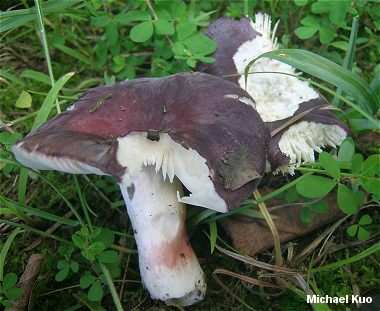
In the Midwest this species is common, distinct, and fairly easily identified (that is, for a red Russula). It appears in oak forests in late spring or very early summer, usually just after morel season, often competing with Cortinarius distans to be the first mycorrhizal gilled mushroom of the year. Its cap ranges from blood red to nearly purple, with a very dark (sometimes nearly black) center; the “skin” peels easily away from the margin, about halfway to the center. The stem, in old age, begins to turn gray. The taste is mild or slightly acrid, and the spore print is white.

https://www.mushroomexpert.com/russula_vinacea.html

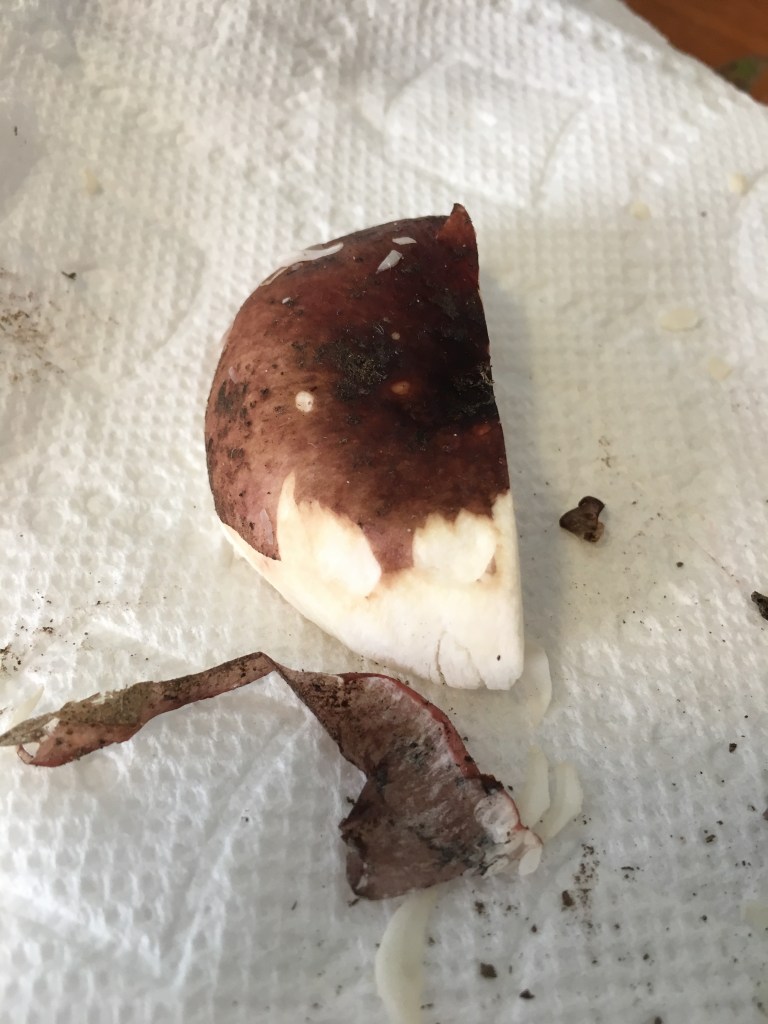
We are at the tail end of morel season, so the timing is right. The taste is (remember to spit it out!) I would say slightly acrid, maybe faintly peppery. It is black in the center, and lastly, the skin does peel somewhat easily from the margin:

So I think we have a winner: Russula vinacea. Or as I propose to baptize it: “The Spring Russet Potato Mushroom.” We’ve done it, thanks for playing Mushroom 21 questions with me!

Design a site like this with WordPress.com
Get started