Backyard Naturalism: The Grey Catbird.

Taking a break from fungi today to explore a sound I’ve been hearing since the season of morels and mayapples.

https://www.youtube.com/watch?v=DGWHRtZU580

(Unfortunately, it turns out you can’t upload audio content to wordpress without a premium account, but “Susan’s in the Garden” has got us covered over on youtube!)

At first, we thought we had a baby kitten in the bush under the office window. But we searched the bushes and there was no kitten to be found. I’m not a particularly astute or patient birdwatcher and the Grey Catbird is an exceedingly plain bird, so it took me all of four months, or until July, to figure out what it was.

Catbirds are somewhat tricky to spot, at least for middling birders, because the behavior we encountered (singing from low-down in a bush or small tree) is typical. Other birds usually chose to sing from a high and prominent perch, but for some reason the catbird is different.

This habit might explain why I had never heard of a catbird previously, and why they are less well known than their numbers would suggest. They are in the same family, Mimidae, as Mockingbirds, and share that better-known bird’s ability to mimic the songs of others. The Grey Catbird has a more Northeastern range than the mockingbird, which might also explain why it’s new to a Texas native such as myself.

Anyways, for more information and pictures, check out the ever-informative Audubon website: https://www.audubon.org/field-guide/bird/gray-catbird

The featured image is from Wikipedia: https://en.wikipedia.org/wiki/Gray_catbird#/media/File:Gray-Catbird.png

Mushroom Lingo #4: Universal Veil

Building off of last week’s discussion of partial veils, let’s talk the UNIVERSAL VEIL
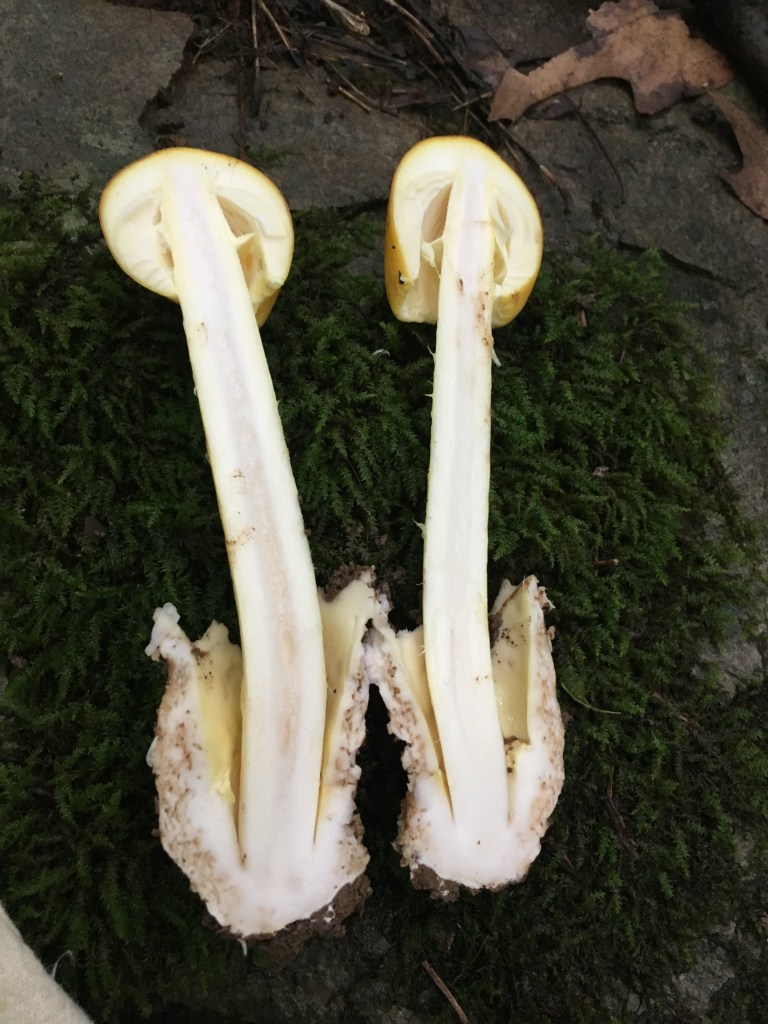
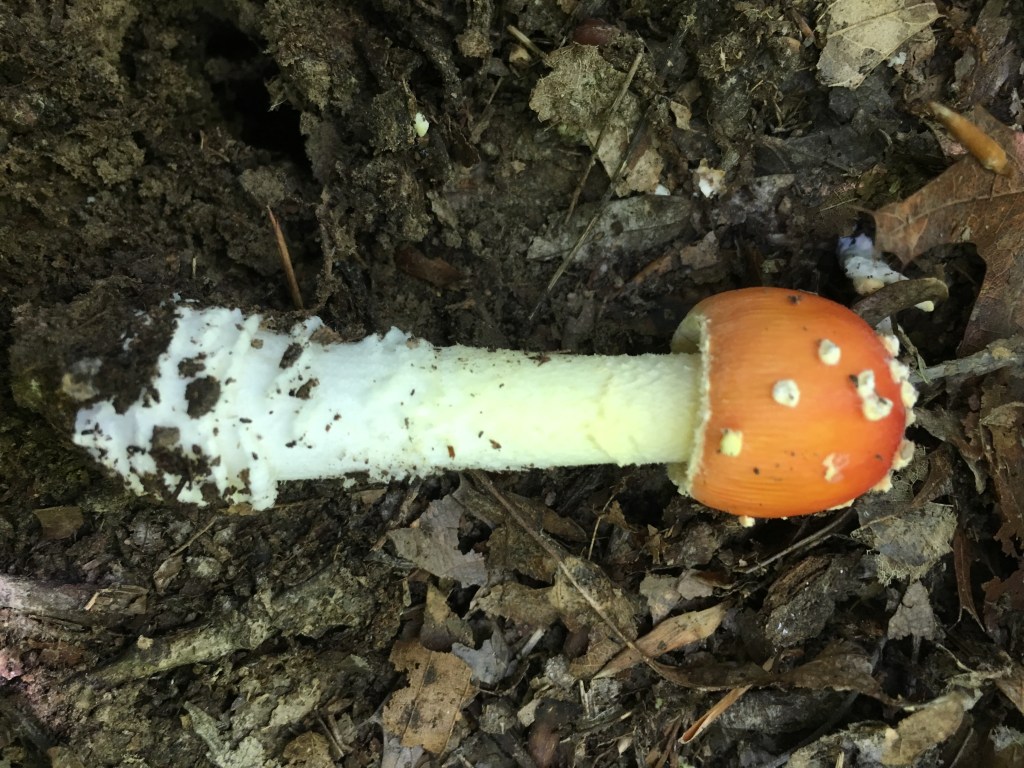
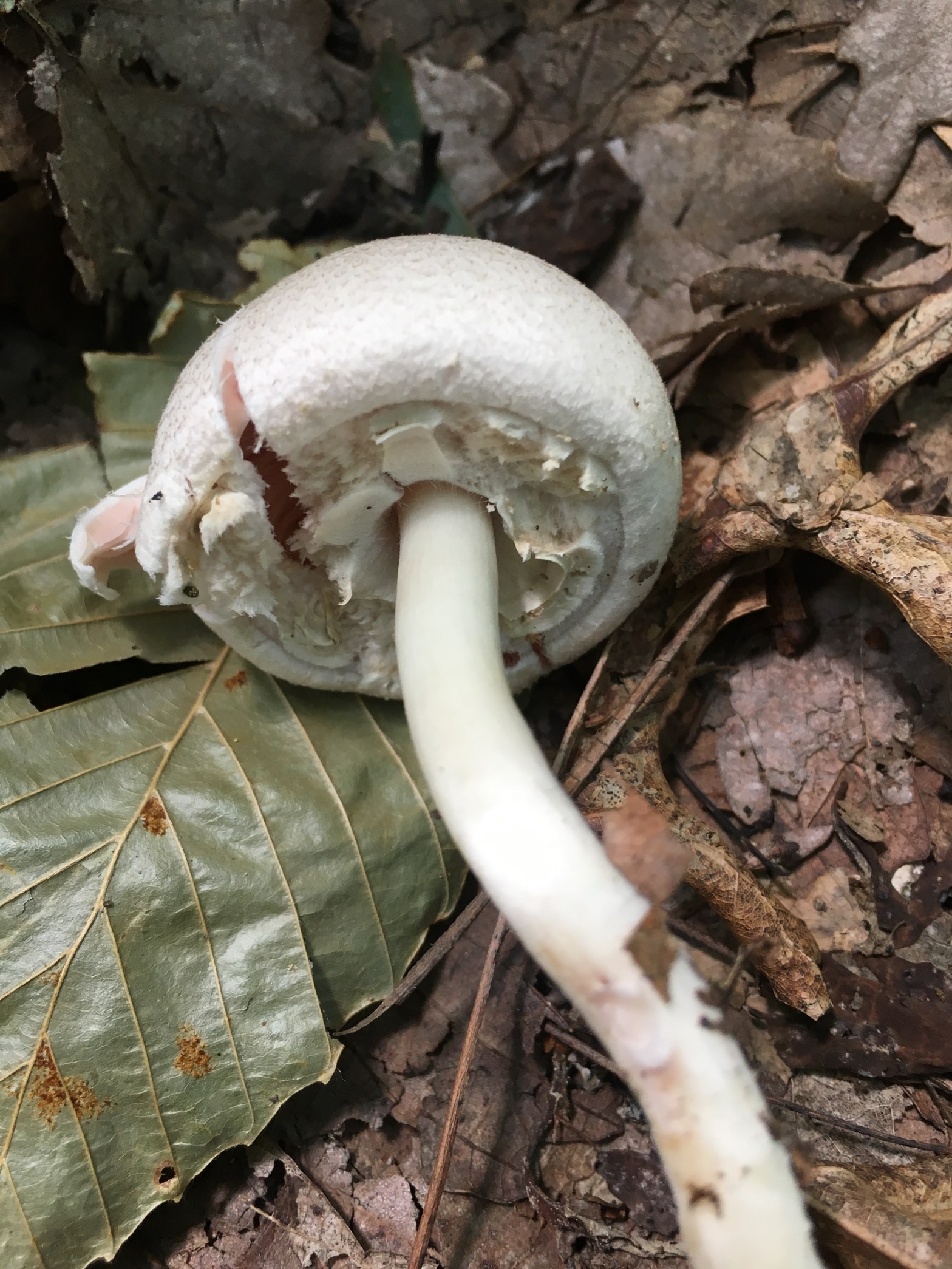
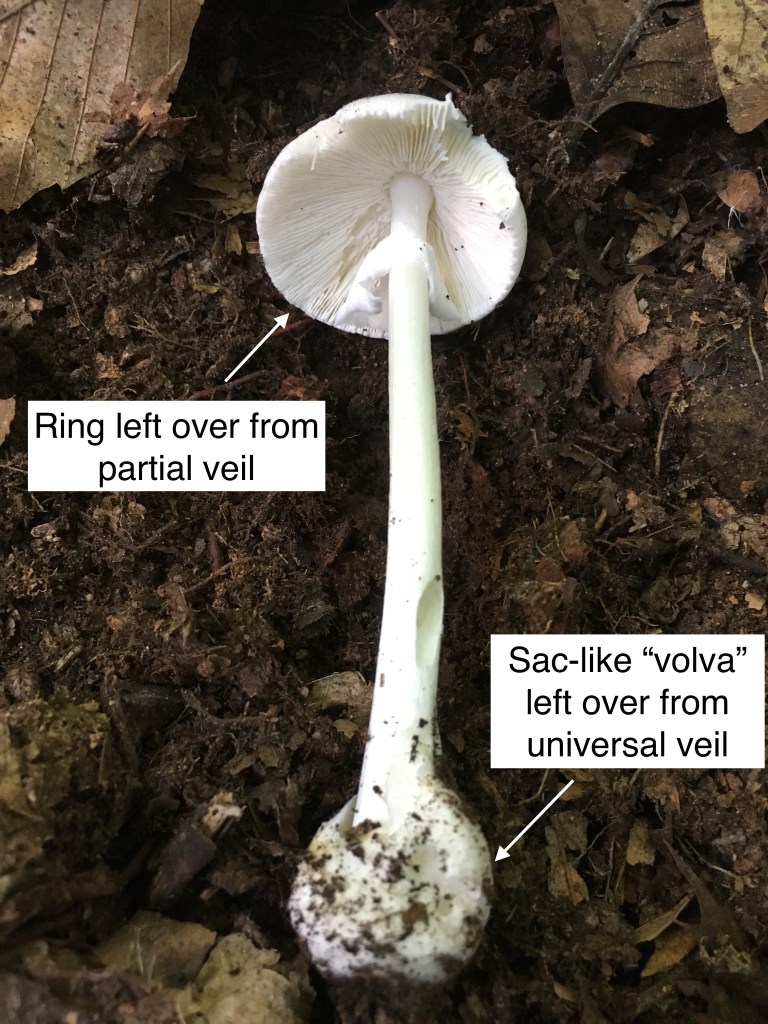
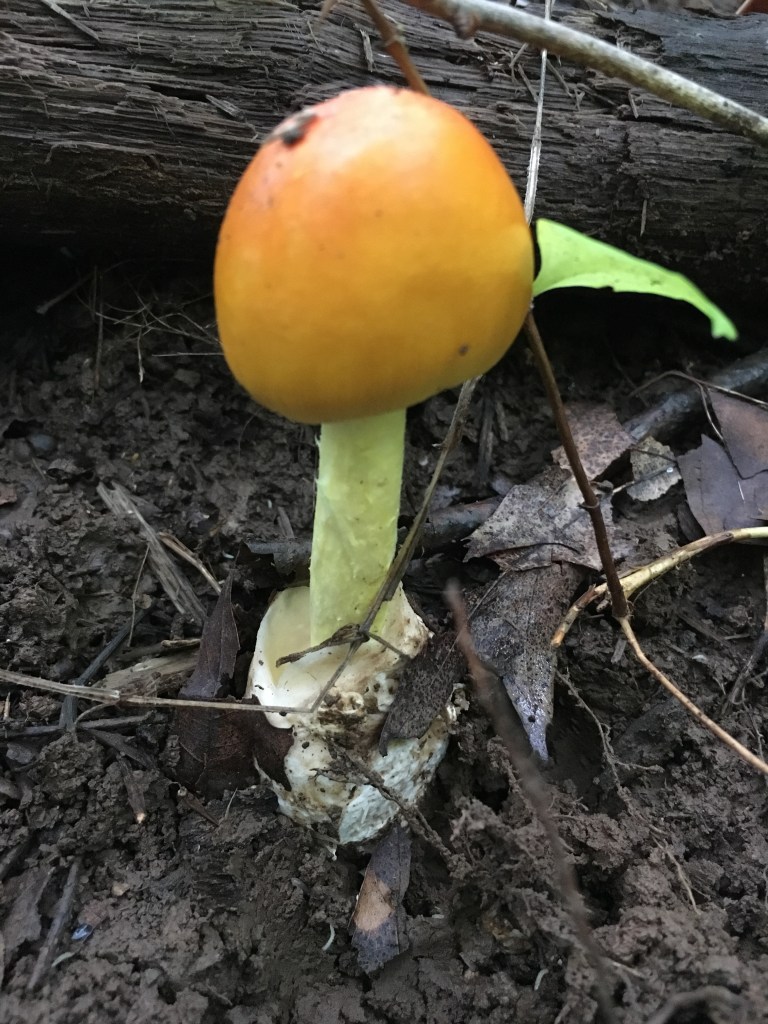
A universal veil is a membrane that fully covers the immature bodies of certain mushrooms. Sometimes it makes them look like they are bursting out of eggs:
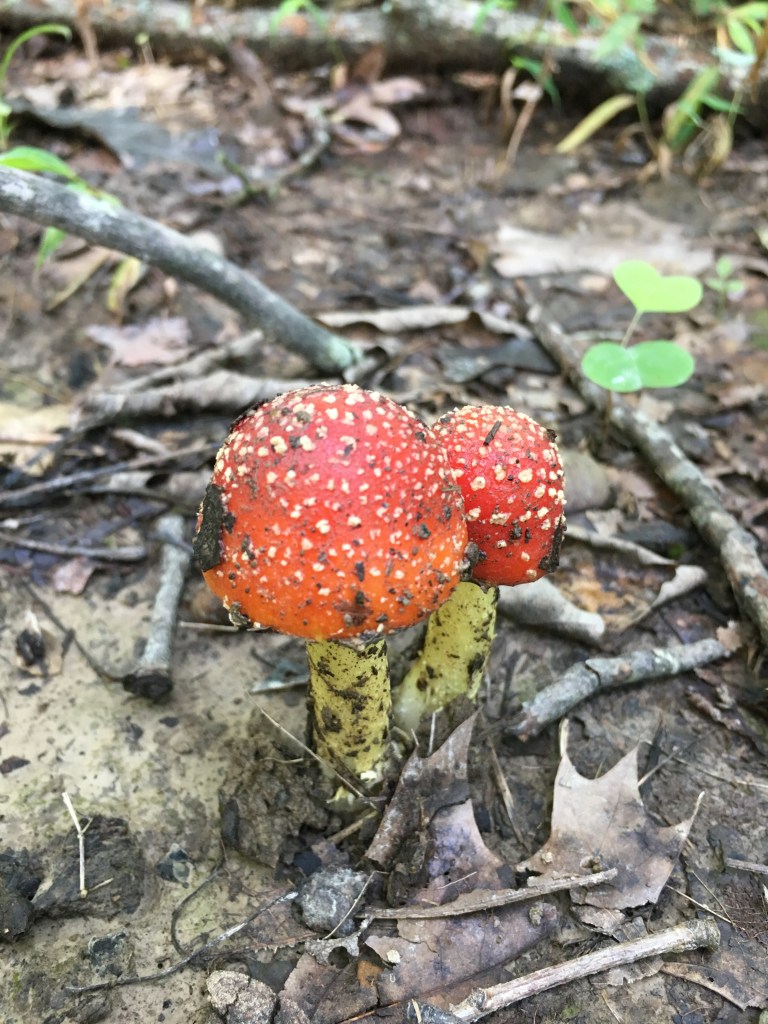
As they mature, the universal veil disintegrates. How it disintegrates is what you want to watch for. Some universal veils leave “warts” on the cap, as in Amanita muscaria type mushrooms:

Amanita parcivolvata or the “False Caesar’s Mushroom”

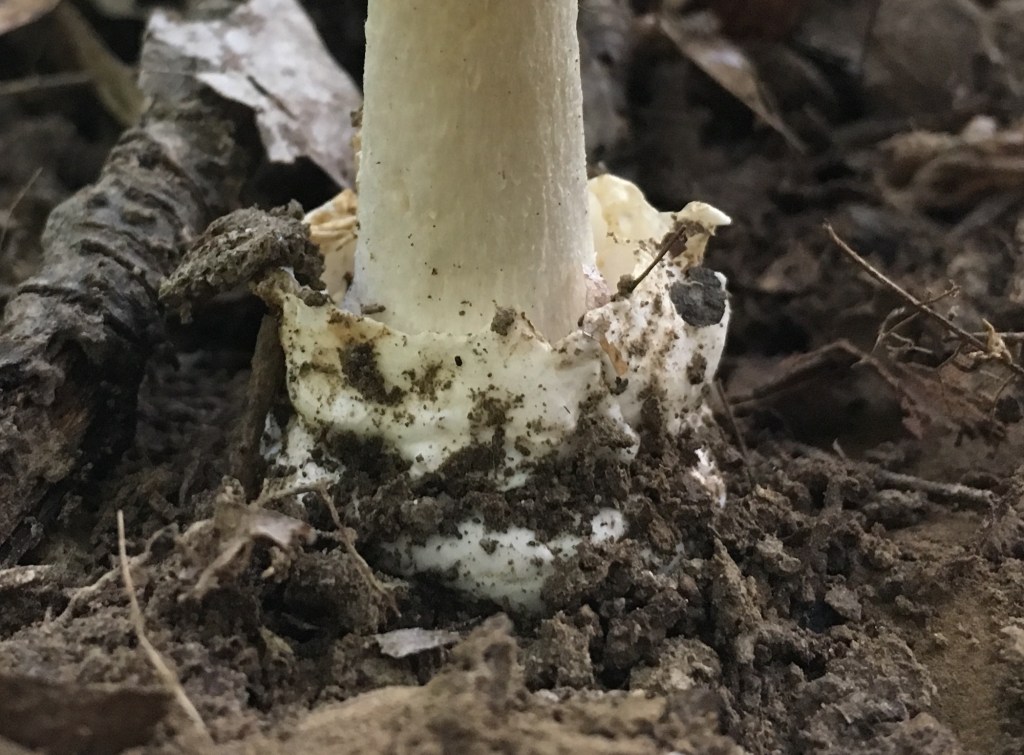
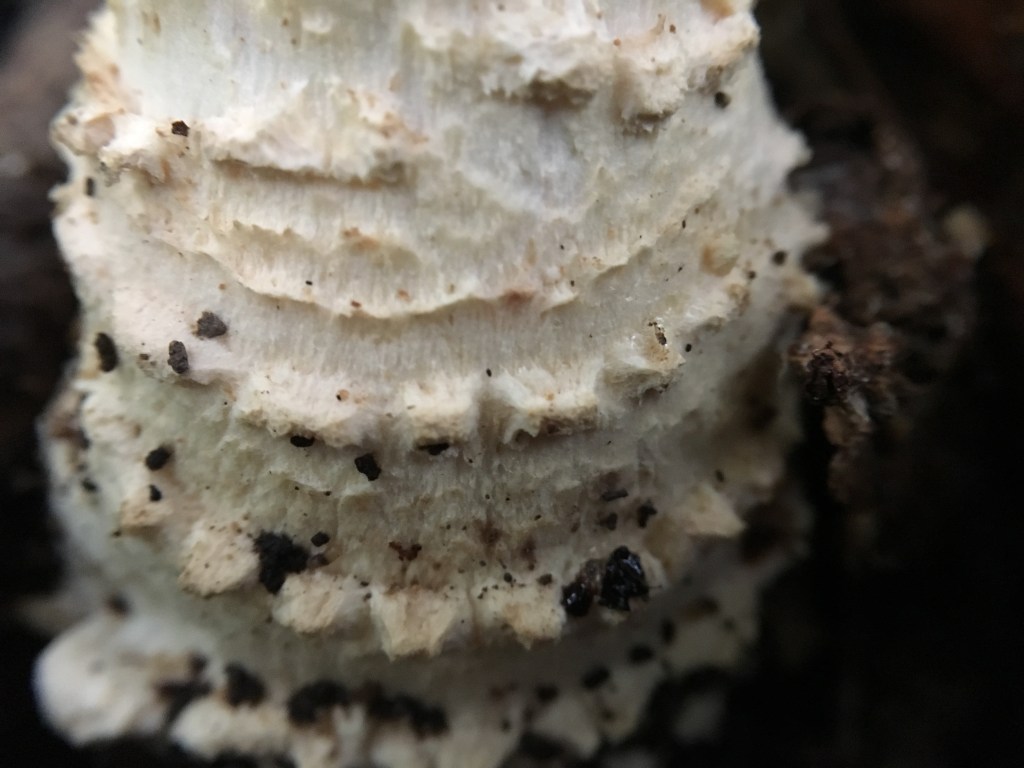
Others leave little to no trace on the cap, but a long-lasting sac (called a “volva”) around the base:

Still others leave no sac, but ringlets of tissue which adhere tightly to the stem.

The subtle differences can be maddening to figure out, but as I mentioned last week, partial and universal veils are good features to learn if you want to avoid poisonous mushrooms. Generally speaking, you don’t want to mess with a universal veil…

wait wait…one more coral fungus!

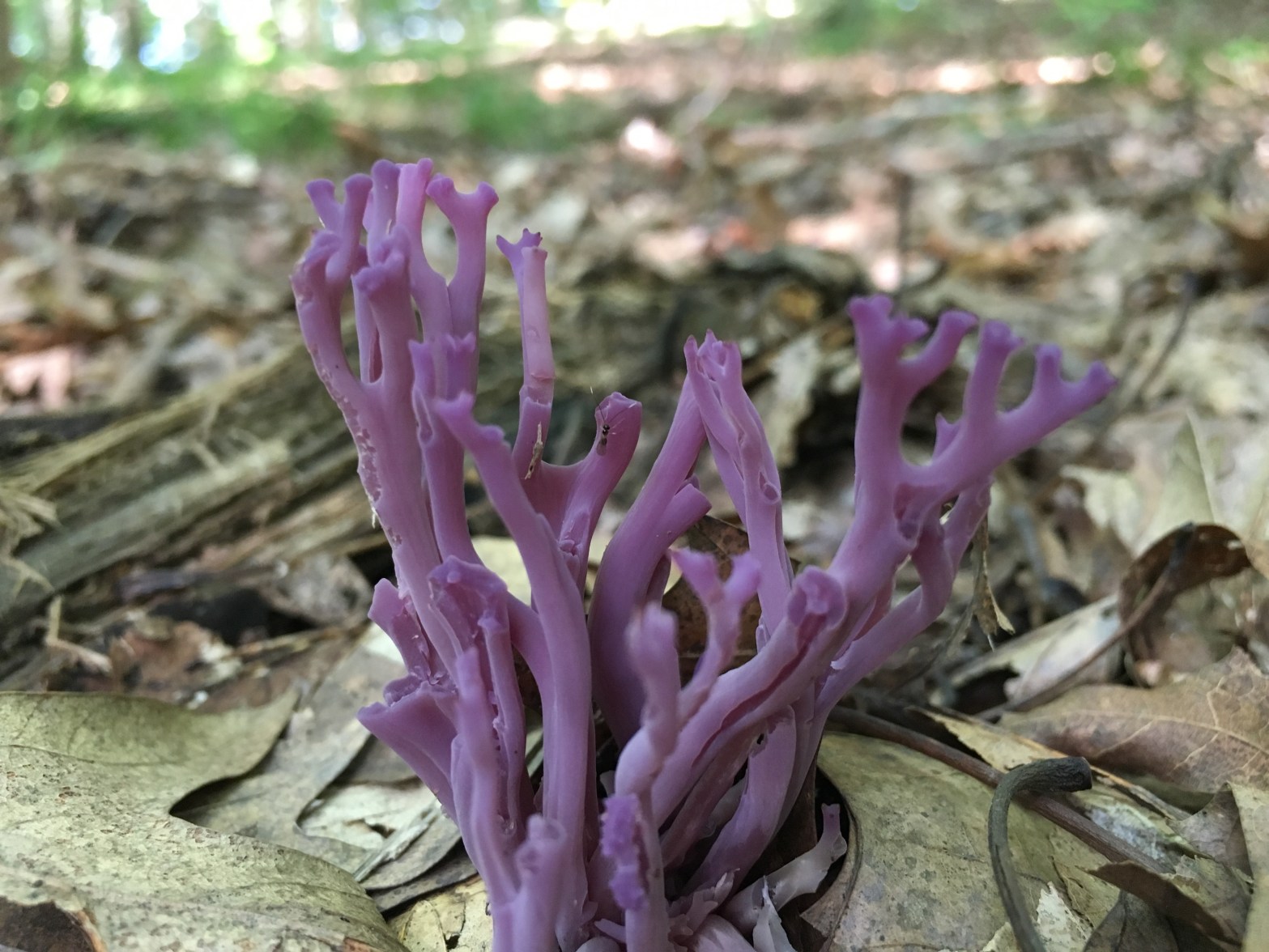
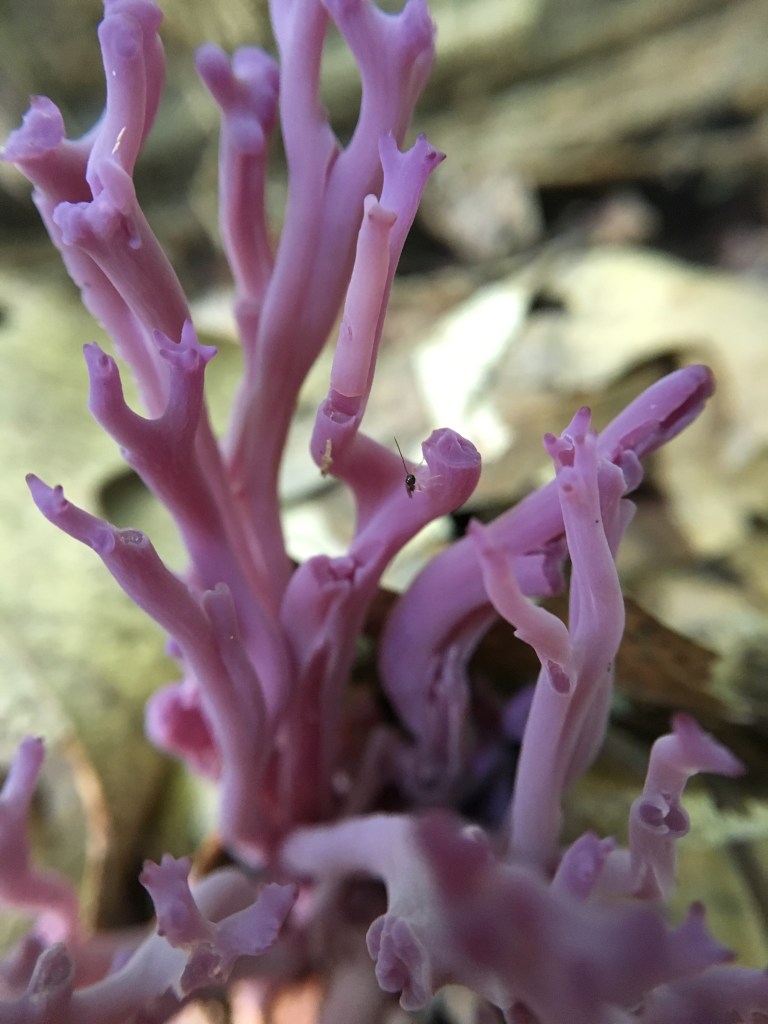
Came across this guy too late for yesterday’s post. But that’s ok because it deserves it’s own. Clavaria zollingeri can’t be confused for anything else. Its purple color and antler-like tips are truly distinctive. Like the Crown-Tipped coral fungus it is “saprobic,” meaning it grows on decaying organic matter. It usually grows in moss (the above example being an exception) which creates a great green and purple contrast for photographers.

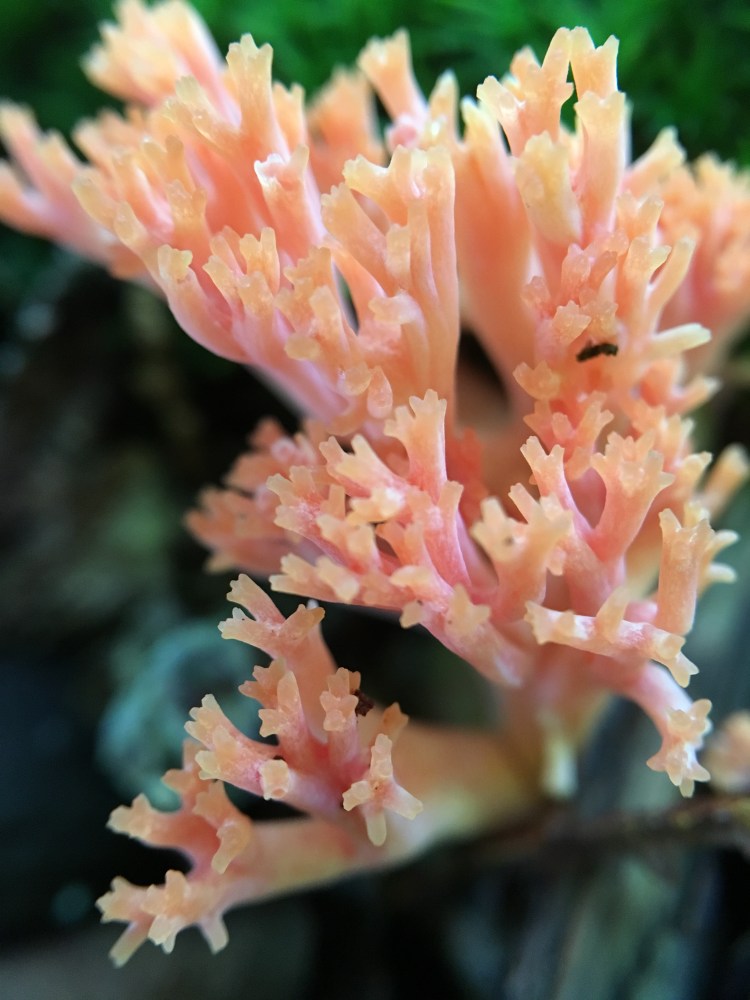
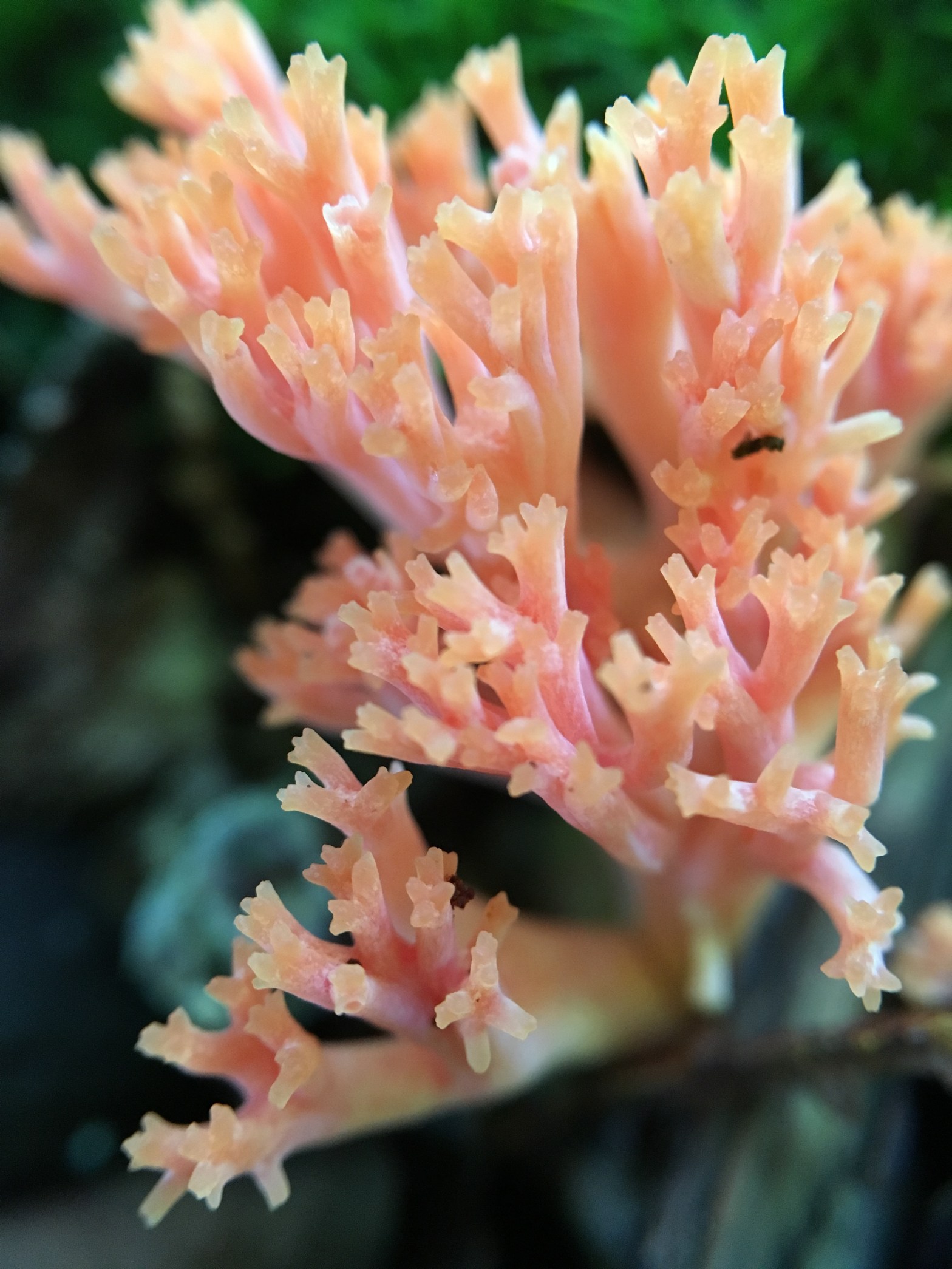
So, so far we’ve got three coral fungi on our list. The Yellow-Tipped Coral Fungus, Ramaria formosa, the Crown-Tipped coral fungus, Artomyces pyxidatus, and Clavaria zollingeri, the violet coral. For identifying all three, the tips (whether they fork out or stay blunt and flat) are key.

Artomyces pyxidatus
Ramaria formosa
Clavaria zollingeri

Earthstars and Coral Fungi

Yesterday, I was lucky enough to spot two fungi I would never have noticed if I hadn’t specifically been looking for mushrooms. Which would have been a shame, because they’re both pretty cool.

The first, above, is Ramaria formosa (most likely), distinctive for its pink branches with yellow tips. Unlike one of the other coral fungi I’ve seen this year, Artomyces pyxidatus (the “crown-tipped coral fungus”), R. formosa is mycorrhizal which means it grows from the ground and has symbiotic connections with the root systems of trees. The crown-tipped coral fungus, by contrast is “saprotrophic,” meaning it grows on decaying wood.

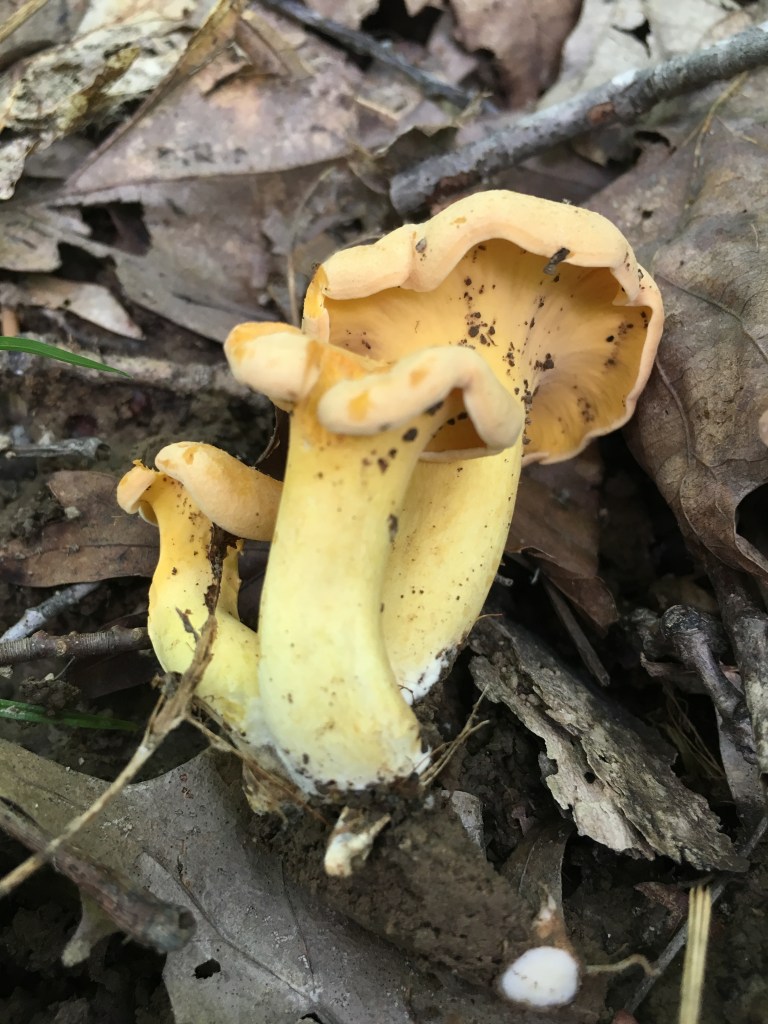
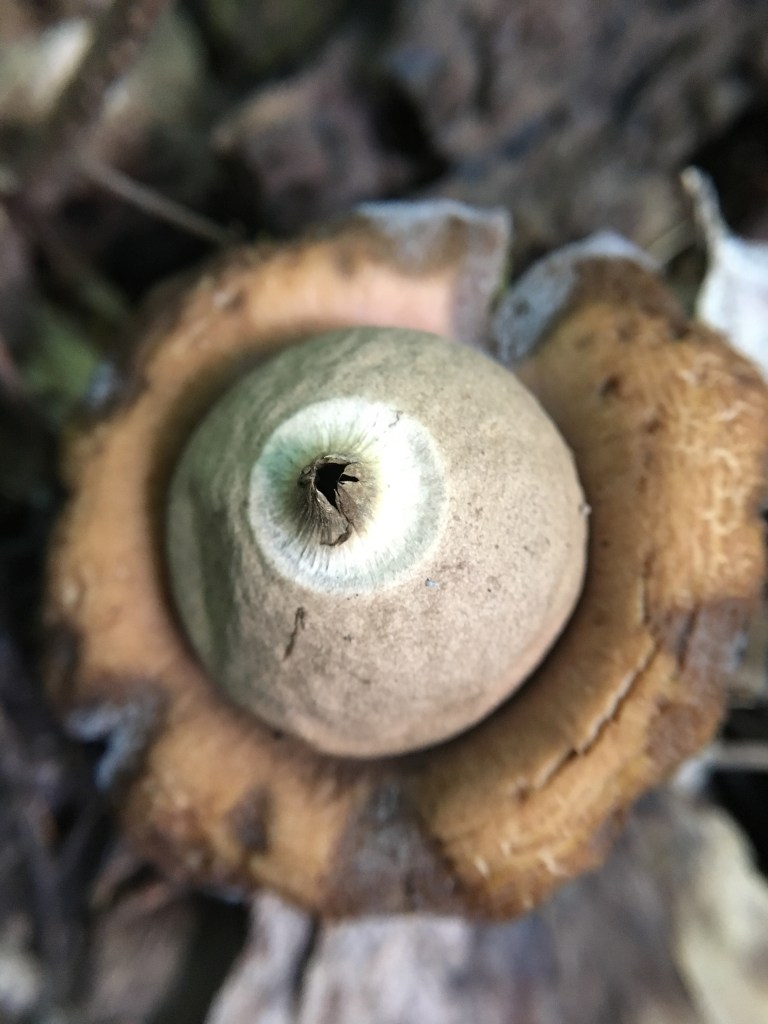
Earthstars are a whacky group of fungi which look like Puffballs, but are apparently more closely related to chanterelles!?

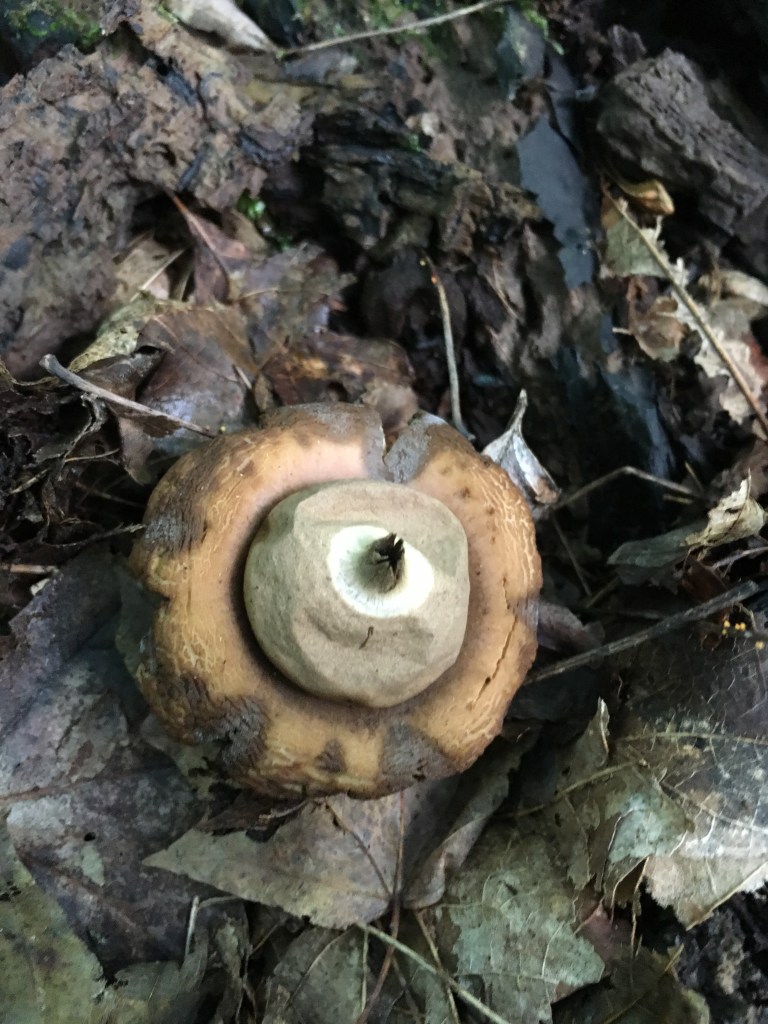
Geastrum triplex
Smooth Chanterelle

I don’t understand fungal taxonomy all that well so I suggest you investigate the matter for yourself: https://en.wikipedia.org/wiki/Geastrales

The earthstar I found was Geastrum triplex. Note the combination of “geo” and “aster”, earth and star, in the latin name. G. triplex is the largest earthstar, and one found all over the globe. An interesting thing about this fungus is that it doesn’t appear to be attached to the ground. In fact, in dry weather earthstars can curl up and roll around, like tumbleweeds.

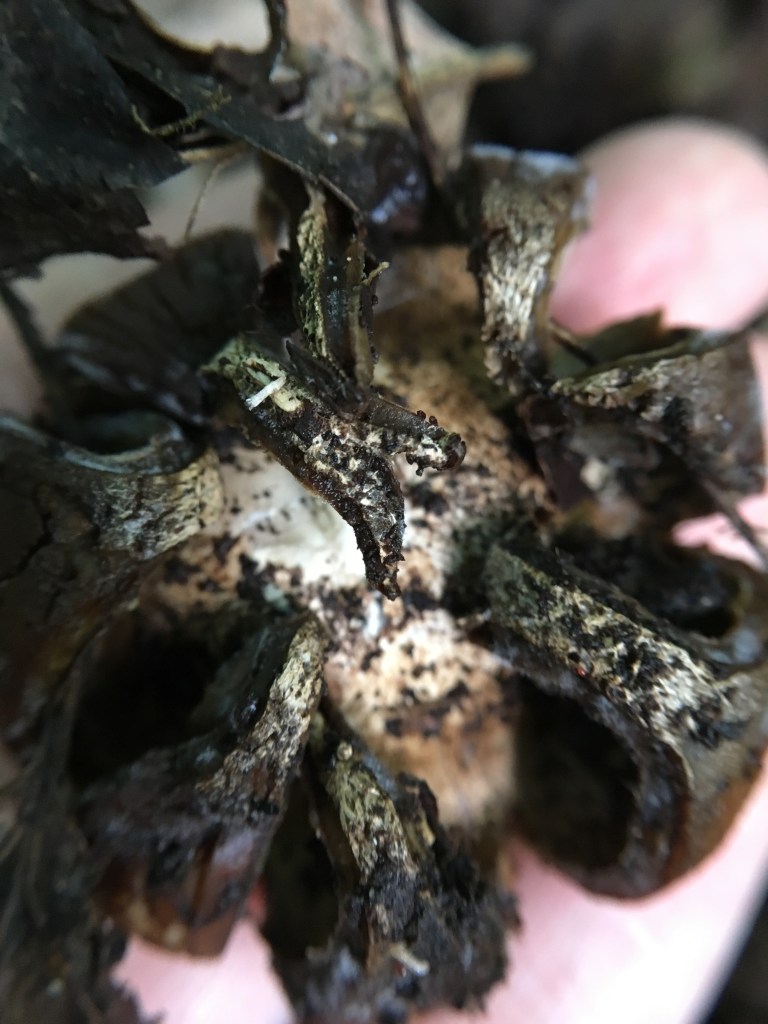
If you pick one up and look at the back, you see that in wet weather the petals curl backwards forming a sort of raised platter for the central sac.

Mushroom Lingo #3: Partial Veil

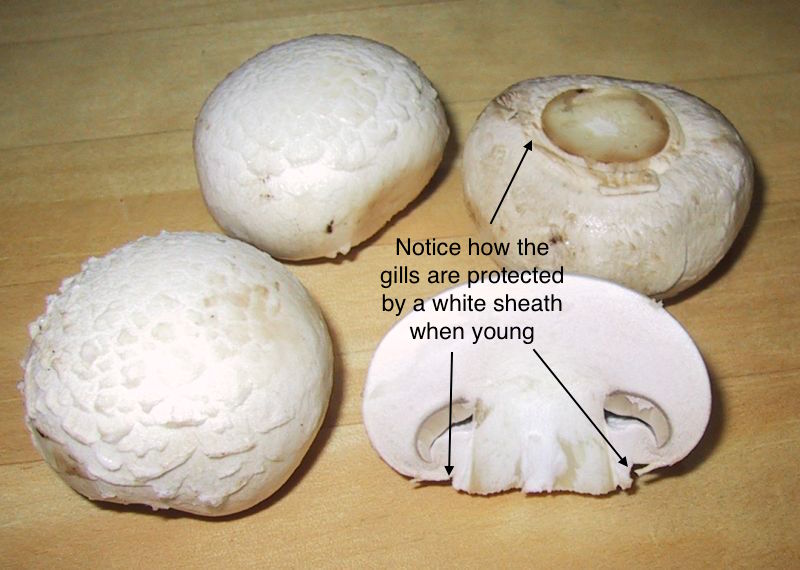
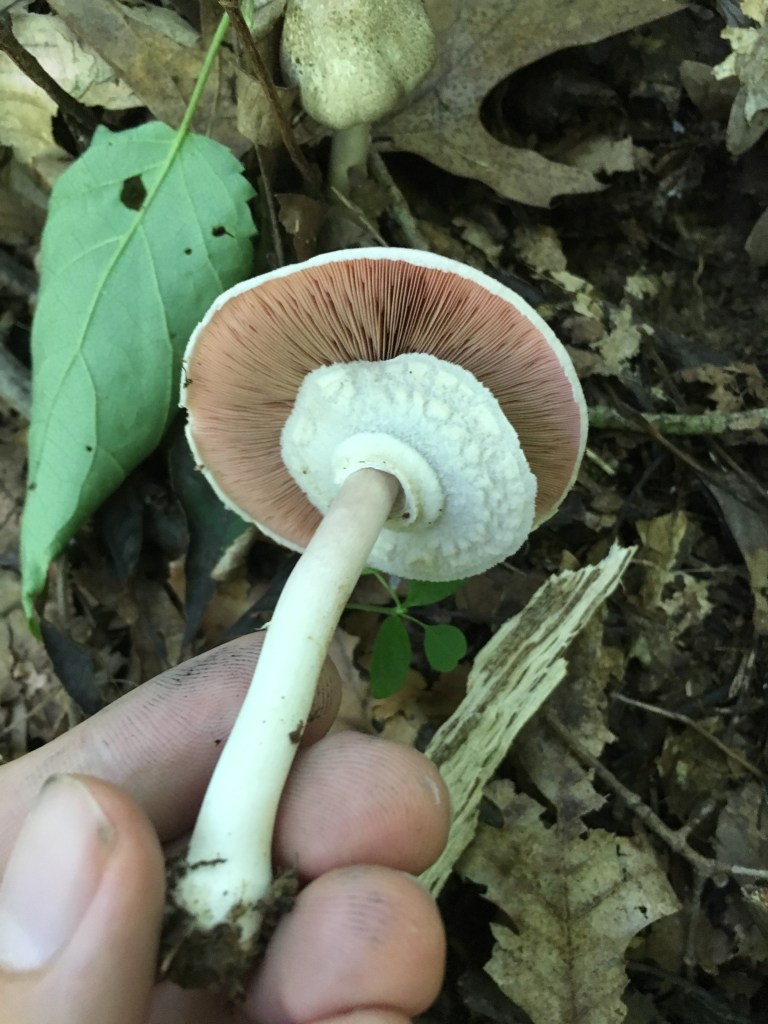
“Partial veil” is a rather mysterious, almost existential, name for a thin covering of the gills or pores on the underside of a mushroom’s cap. You are actually much more familiar with partial veils than you realize, because Agaricus bisporus, the supermarket button mushroom features one.

Modified from https://en.wikipedia.org/wiki/Agaricus_bisporus#Description

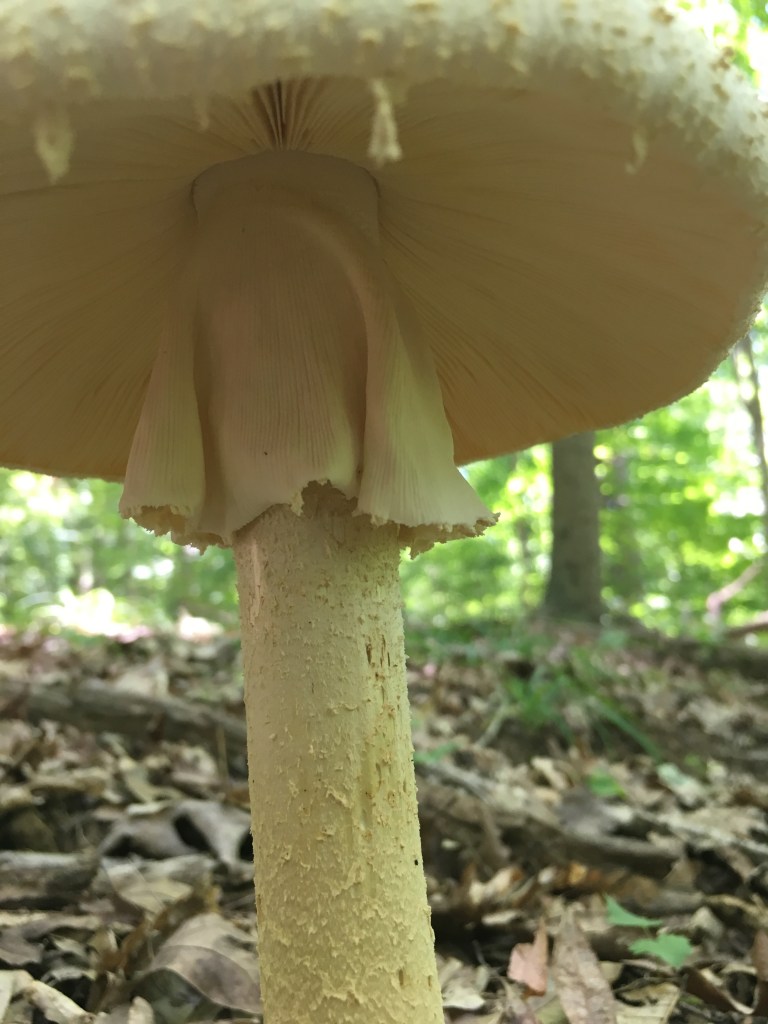
As the mushroom gets older, the partial veil disintegrates leaving a more or less pronounced ring.

Sometimes the partial veil becomes a kind of skirt-like ring in the mature mushroom
Sometimes it is “flaring,” ie. sticking up not down.
Sometimes it can be a more long-lasting structure

A partial veil should be distinguished from a universal veil, which covers the entire mushroom, although a mushroom can have both a universal veil and a partial veil. For example, Amanita bisporigera, the deadly poisonous “Destroying Angel,” has both, so learning these features could save your life! (if you’re the type to casually snack on unidentified mushrooms)

In general, mushrooms with either a partial veil or universal veil are pretty suspect in terms of edibility (with the major exception of your supermarket button mushroom) because they tend to belong to the genera Agaricus and Amanita many of which are poisonous.

Mushroom Lingo #2: Bruising

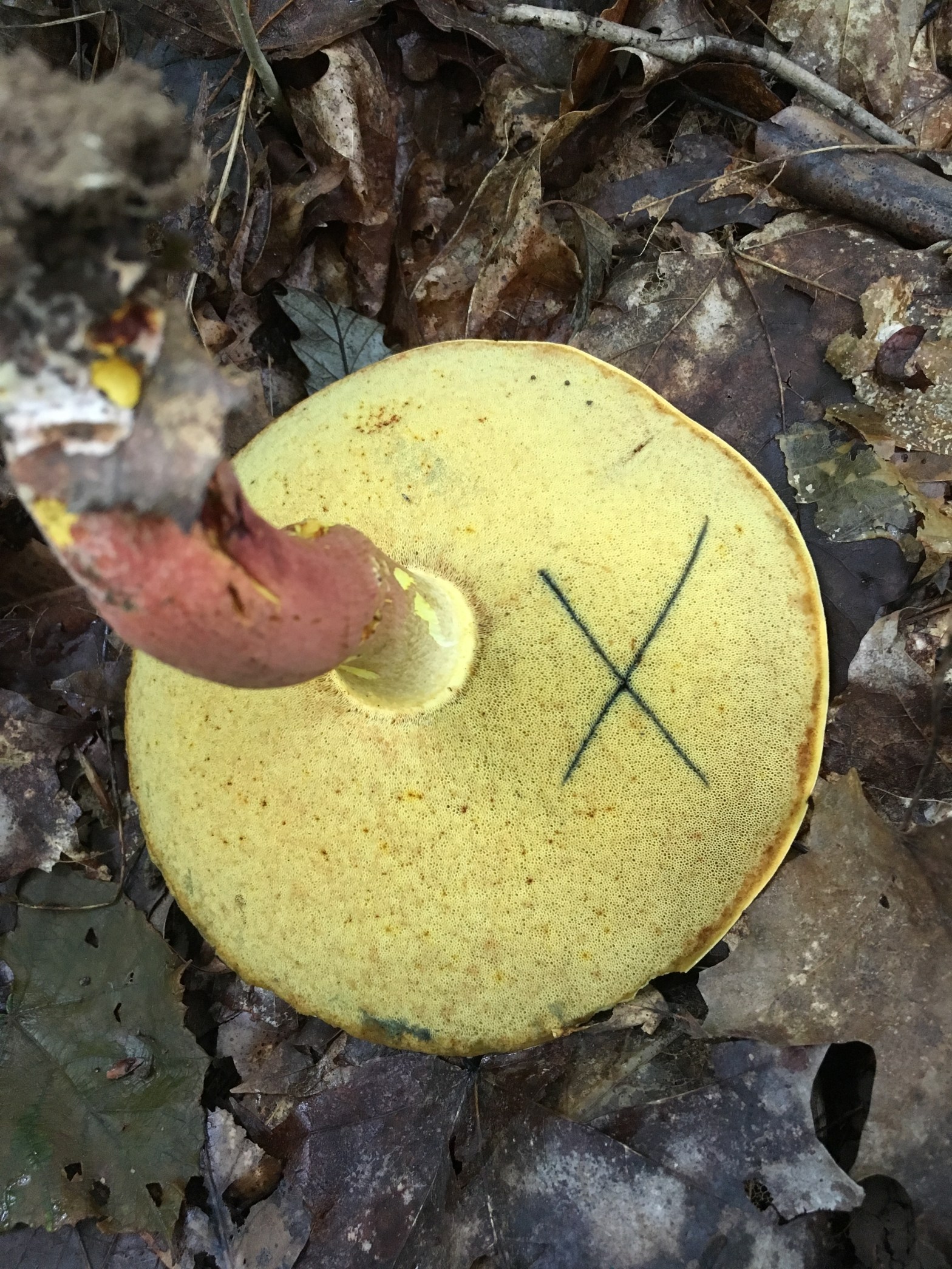
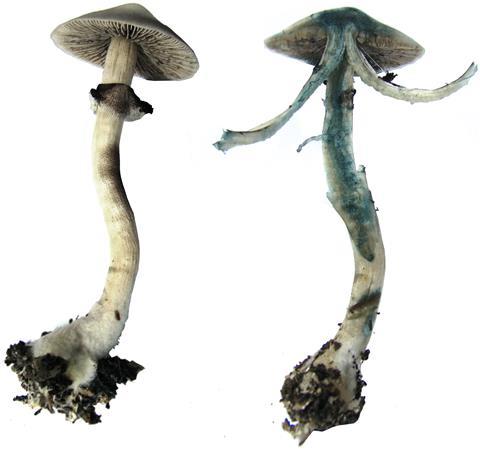
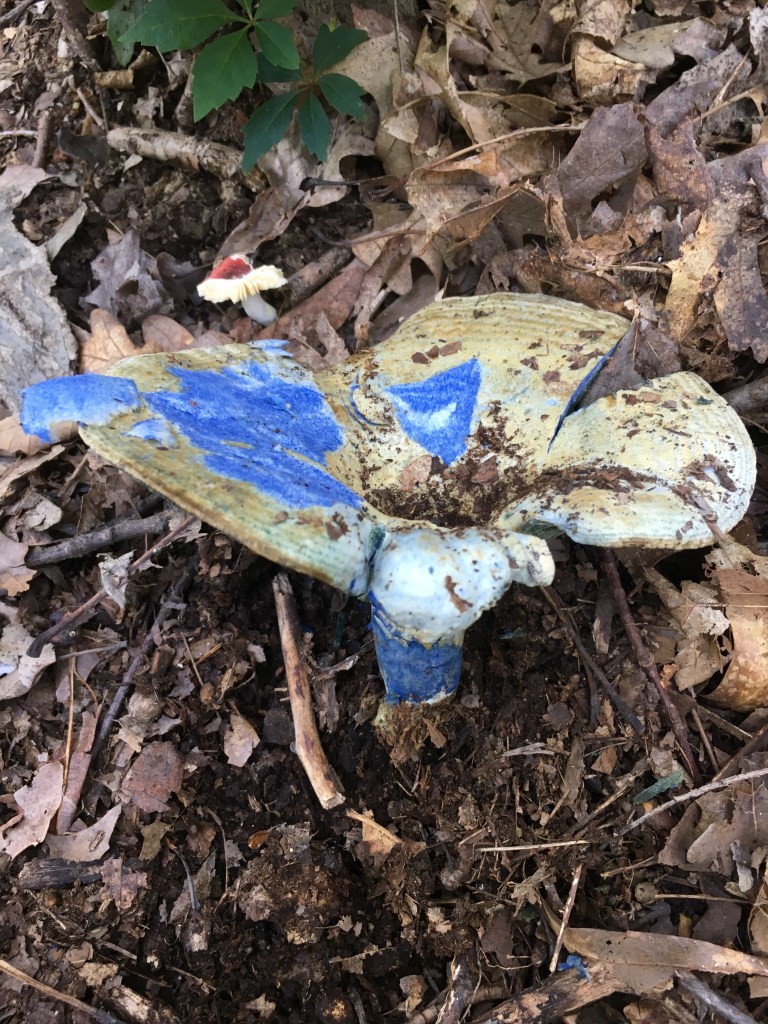
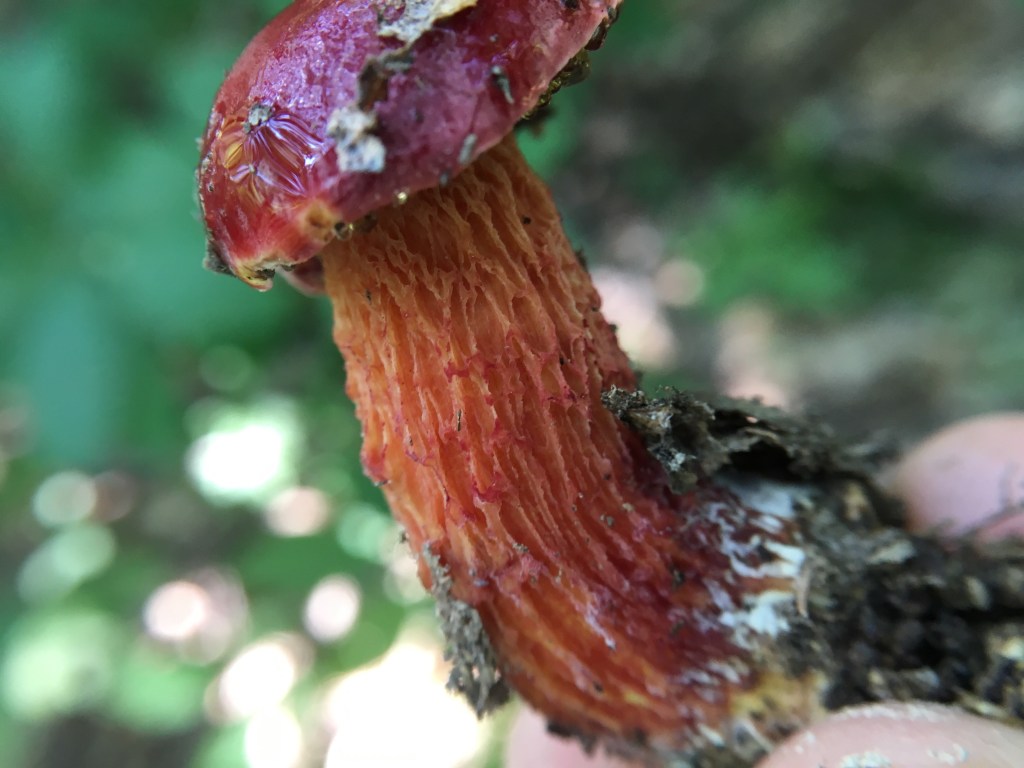
A key identifying feature for many mushrooms is whether they “bruise” or “stain” a certain color. To test this you don’t have to punch your mushroom, or drop it off a small cliff. Simply scratch the surface with a knife, or if you don’t have one, your fingernail, as above.

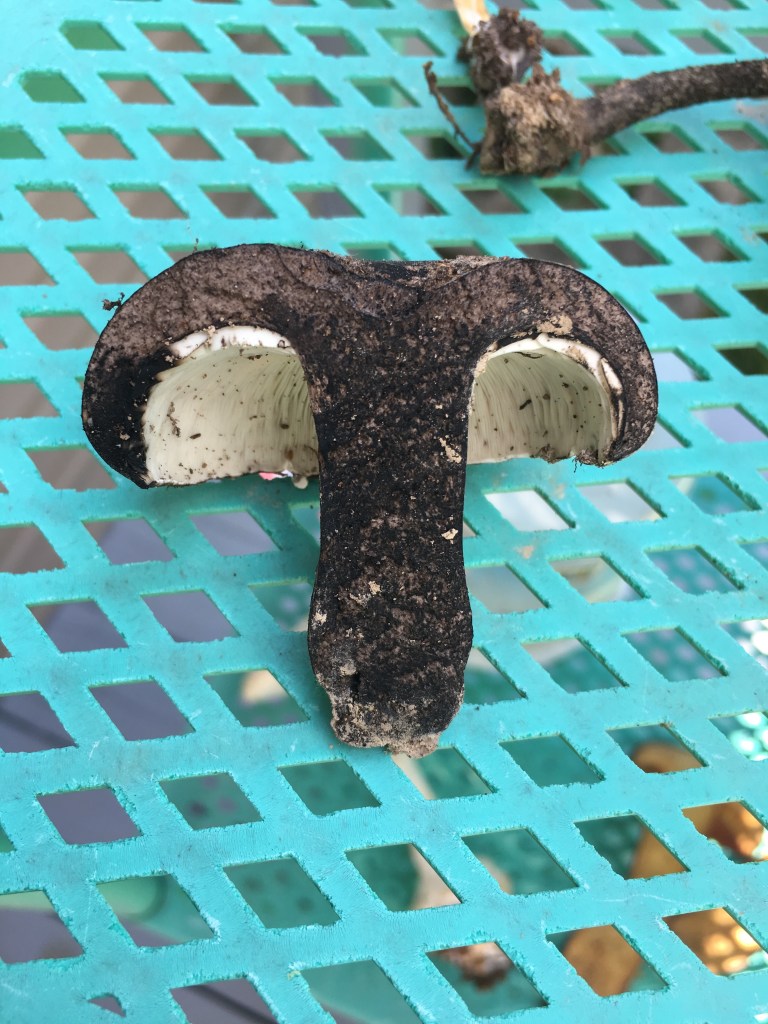
It can also be useful to slice through the mushroom to see if the “flesh” (ie. the part that is not pore surface or gills) stains on exposure. Some mushrooms stain immediately, others stain slowly. Consider these time lapse photos of a black-staining russula:

Immediately after being sliced
After a couple minutes
After a couple hours

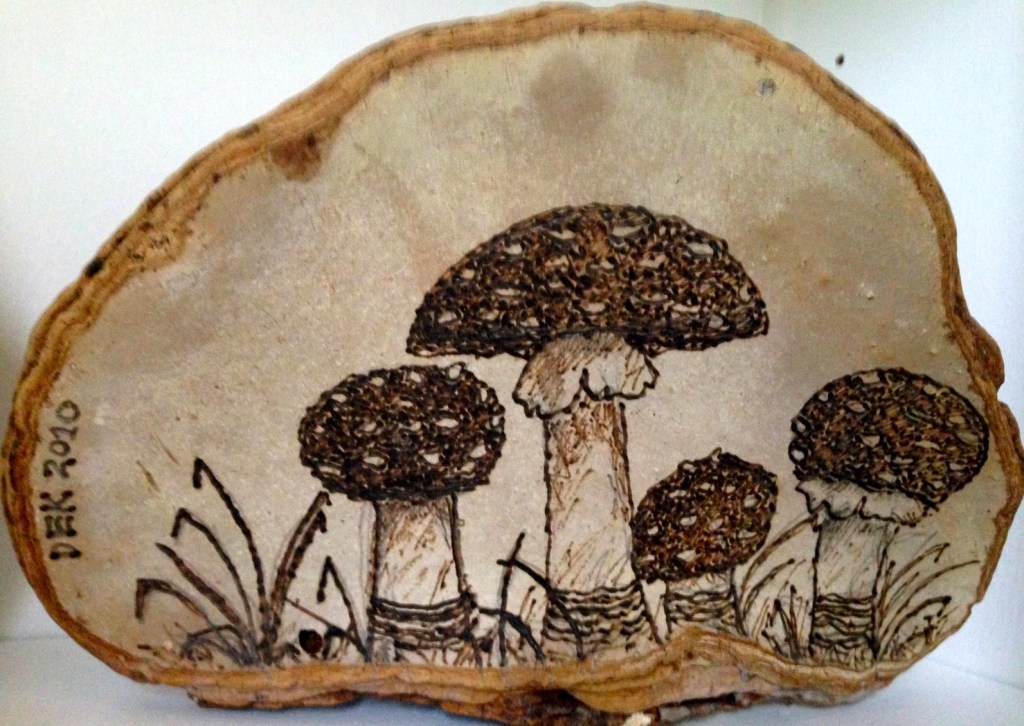
Some of the most famous examples of bruising mushrooms are Artist’s Conk (so-called because people more talented than me can draw cool pictures on the bruising undersurface), Psilocybe (“magic”) mushrooms, and the Indigo Milk Cap, which stains first a brilliant blue and then slowly turns a sea-green.

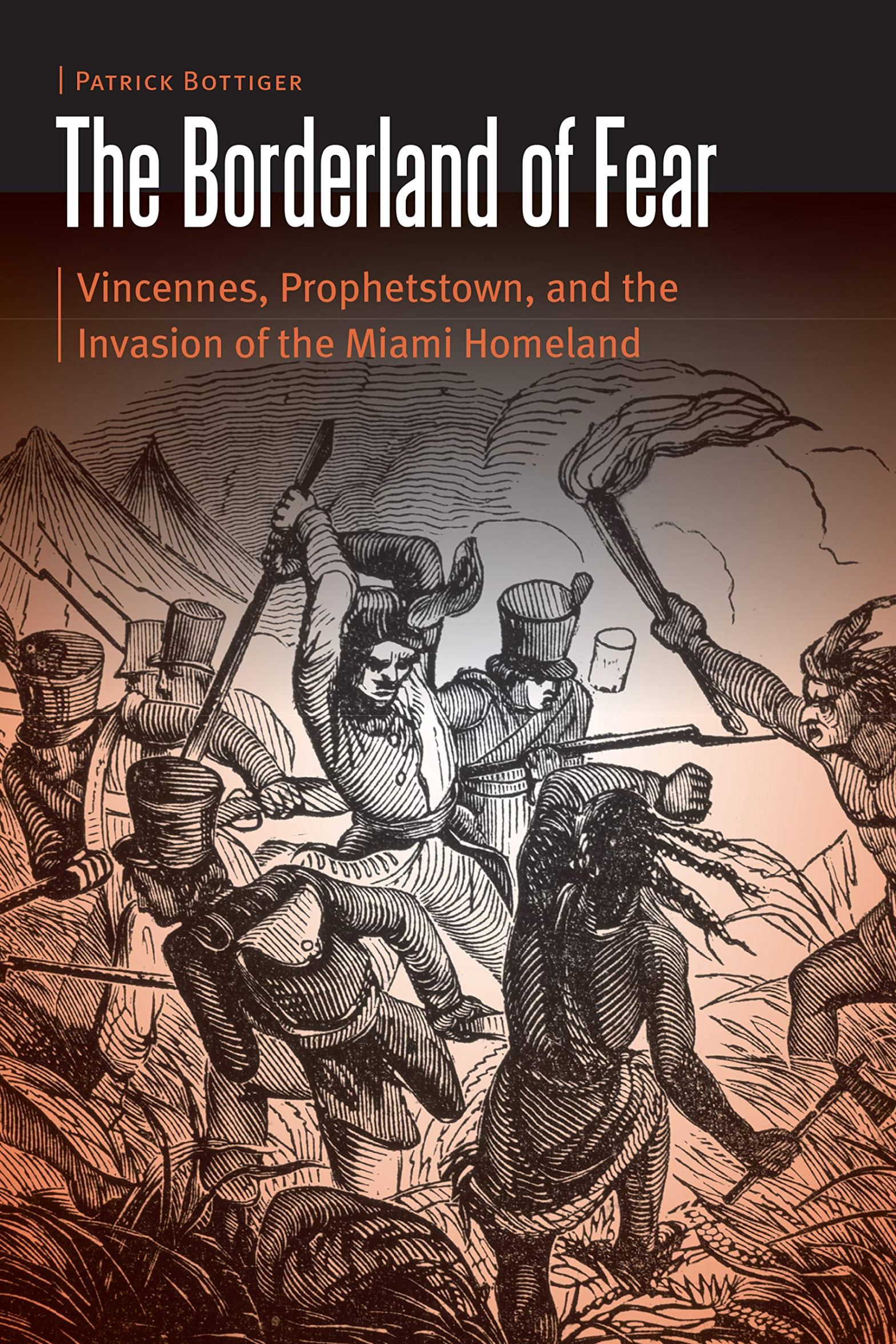
Book Review: The Borderland of Fear: Vincennes, Prophetstown, and the Invasion of the Miami Homeland.

First of all let me say I give this book five stars. It’s not easy to find books about Native American history that don’t either treat Native Americans as uncivilized savages or as romanticized heroes. I started, but had to put down, A Sorrow in our Heart, Allan W. Eckert’s Hollywood version of the life of Tecumseh, for example.

Bottiger breaks down an assumption I had: that early frontier history was Natives vs. Whites, that Native American and white were two cohesive, monolithic identities with fundamentally opposed interests. The common view sees frontier conflict as being essentially racial. There are the Euroamericans on one side, and the Native peoples on the other. In fact, though, this dichotomy is itself a very Euroamerican point of view, originating in the early American inability to understand the complicated web of tribal and ethnic forces at play, and subsequent fear, and “otherization” of what they couldn’t understand.

For one thing, there is very little evidence that Native peoples saw themselves as a cohesive group. The Miami, for example, saw the Shawnee as just as much a threat to their way of life as the Euroamericans. The vast majority of the time, local community interests trumped racial interests in the eyes of Native American leaders.

Bottiger explores the ways in which forces we usually ignore, such as the Miami and the French, shaped the ways Americans viewed Prophetstown to their own advantage. They greatly exaggerated the threat Tecumseh and his brother presented because Tecumseh and his brother were themselves a threat to their way of life, in the case of the Miami because his racialized sense of pan-Indian identity threatened their local, ethnic sense of identity, and in the case of the French, because the Prophet’s rejection of trading with whites threatened their economic prosperity in the region.

William Henry Harrison, the governor of Indiana Territory at the time, had to rely on French and Miami sources of information. These sources of information in turn, were more than happy to play on Harrison’s fear and paranoia in order to secure their own interests. In Harrison’s mind, there was a vast pan-Indian confederacy threatening to wipe white people off the map, when in reality there was a complicated web of factional interests and diverse identities at play. The American view tends to assume that the Shawnee and Miami had the same interests, that they recognized each other as belonging to the same racial group, because from the American point of view they were not two different ethnic identities, but one Other.

I could say a lot more on the subject, but I’ll let you read the book for yourself, it’s a book you really should read!

Coniferous Oddballs: Three Conifers and their distinctive features.

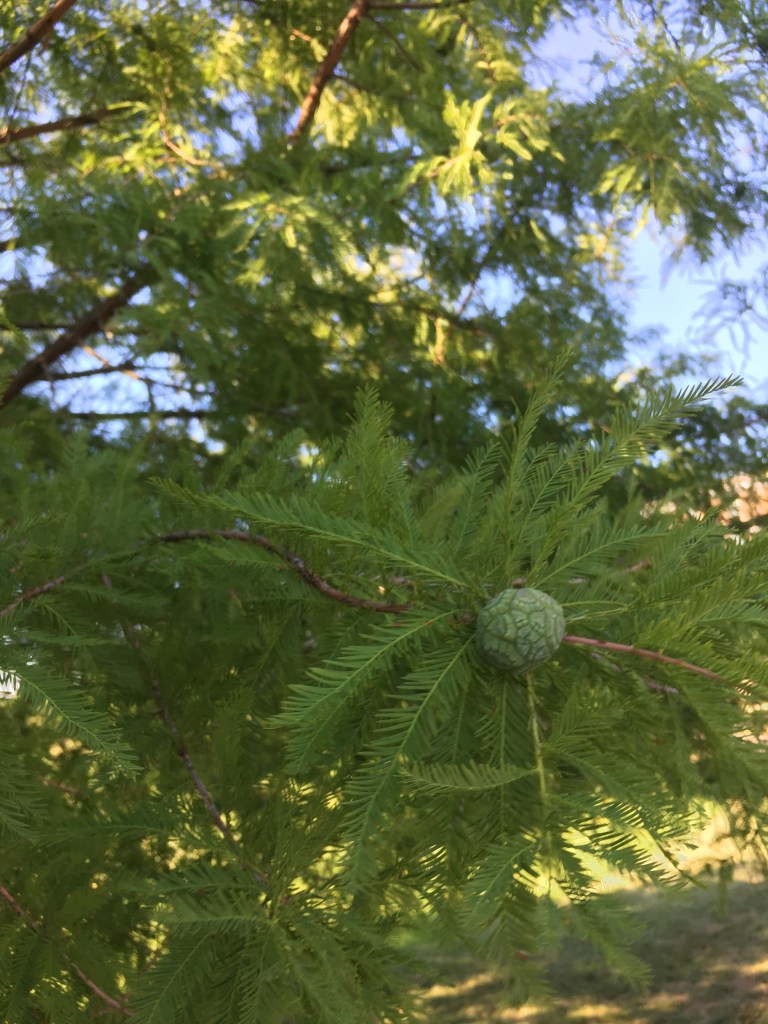
First of all, there is a difference between a “conifer” and an “evergreen,” as the Bald-cypress shows. A conifer is a tree that produces a cone rather than a flower to spread its seeds. An evergreen is simply a tree that doesn’t lose its leaves. The Bald-Cypress produces a rather quirky spherical cone, making it a conifer, but its leaves also turn red and fall off in the fall, making it not an evergreen, but a deciduous tree.

Bald Cypress.

Another example of a conifer that is not an evergreen is the tamarack, or larch, which is more of a northern species not found all that often here in Southern Indiana.

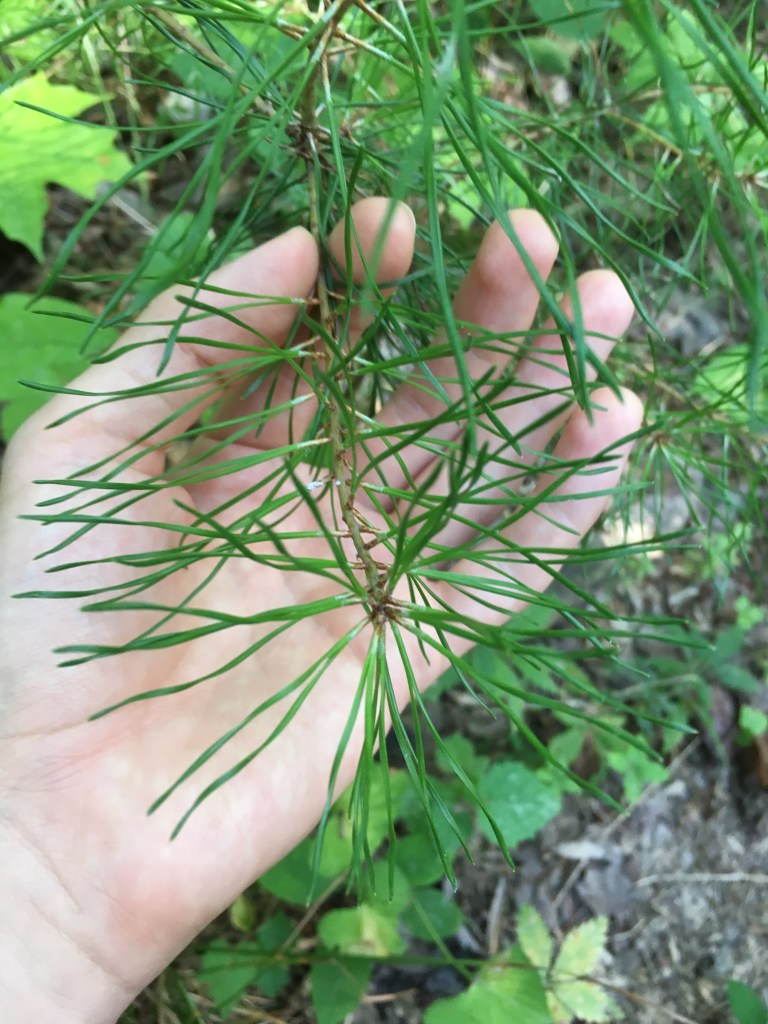
The second oddball conifer we’ll talk about would be the Virginia Pine, which I consider an oddball because of its twisted needles, which almost seem to be trying to writhe or curlycue their way out of their sockets.

Virginia Pine

The Virginia Pine is also interesting for historical reasons. It was often planted on old strip-mine sites, so it can provide a clue to the history of the land you are standing on.

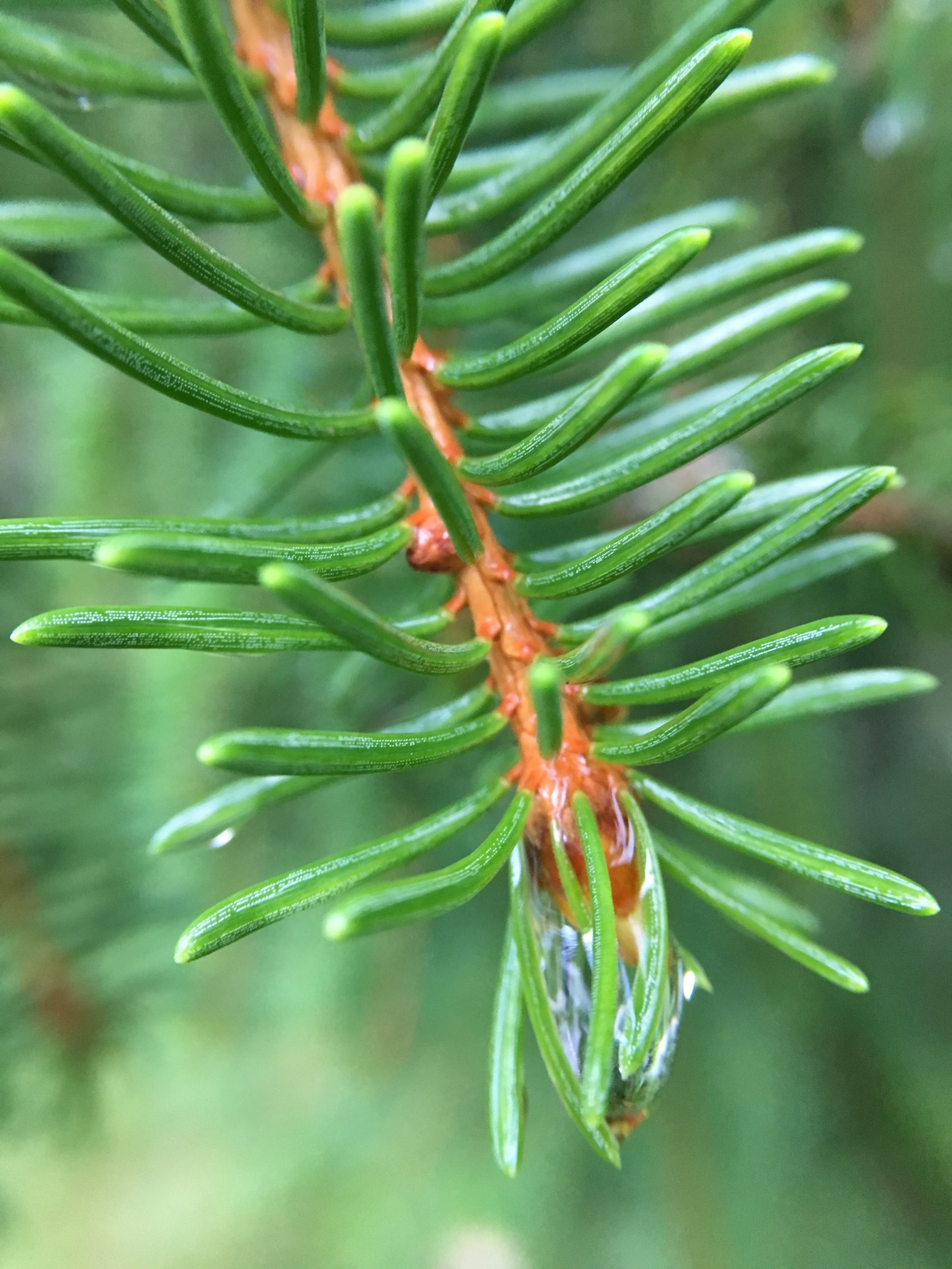
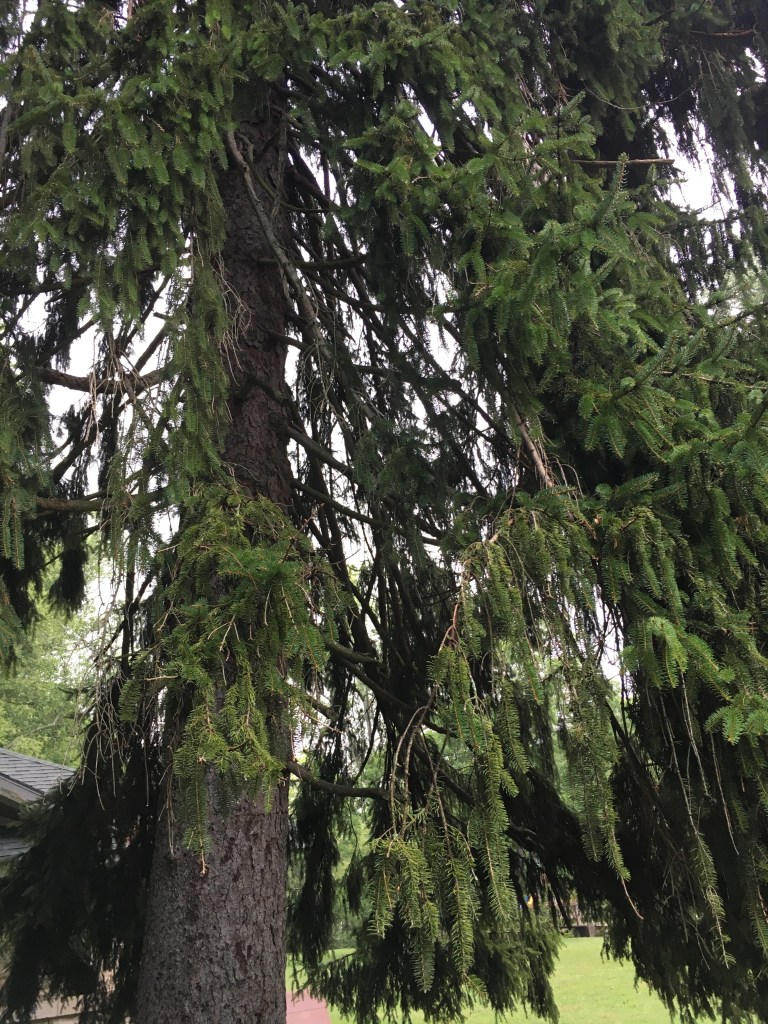
Lastly, the Norway Spruce is not native to the US, but it is a widely planted tree and a bit of an oddball, for two reasons. One, it’s the only spruce with branchlets that hang downward from the branches, giving it a shaggy, drooping look.

Norway Spruce

And two, its scientific name, Picea abies, reveals a historical confusion about its true nature. Picea is the genus of spruce trees, Abies is the genus of Fir trees, so Picea abies means something like “Fir-Spruce.” Scientists initially classified it as a Fir, before realizing it fit better in Picea. So what is the difference between a spruce and fir anyways, and why did they change their mind?

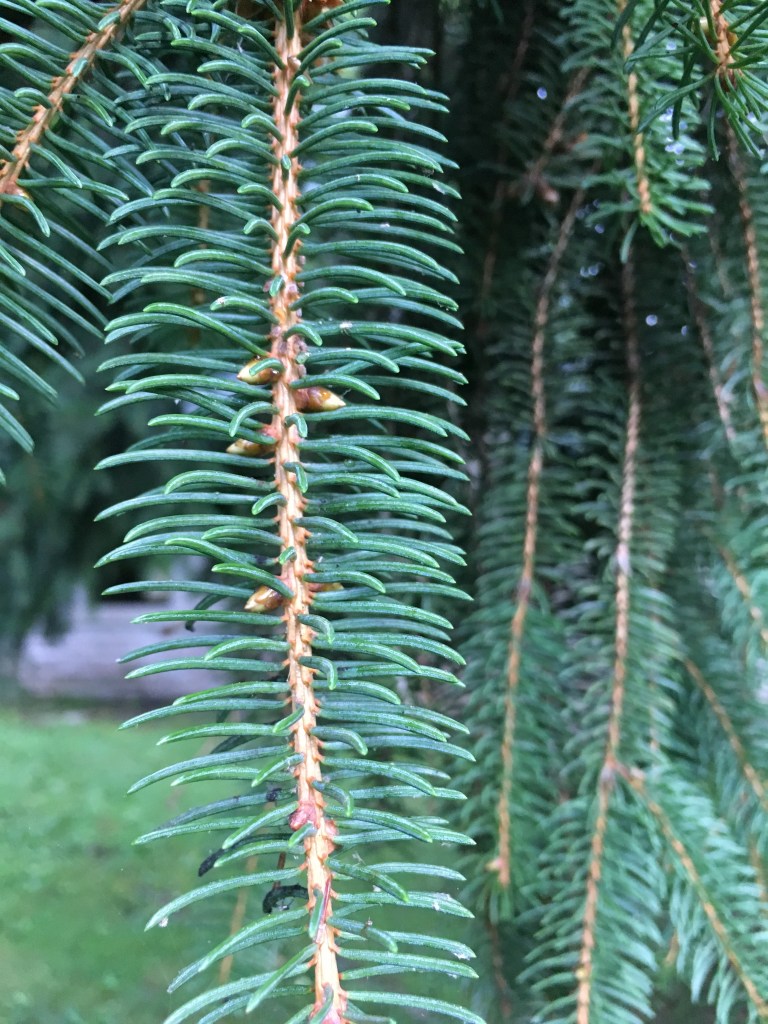
Both spruce and fir trees differ from pine trees, like the Virginia Pine, in that their needles are not attached to the branch in clusters. Spruce needles, however, tend to be four-sided, or square, as opposed to flat, so that you can easily roll them between your fingers. They are also attached to the branch by a kind of woody peg-like structure, which stays behind even when needles fall off:

Norway Spruce

Fir trees on the other hand, have flat needles, and no woody projections, making the branches feel more smooth. Another difference is that spruces typically have cones growing downwards, whereas fir cones grow upwards.

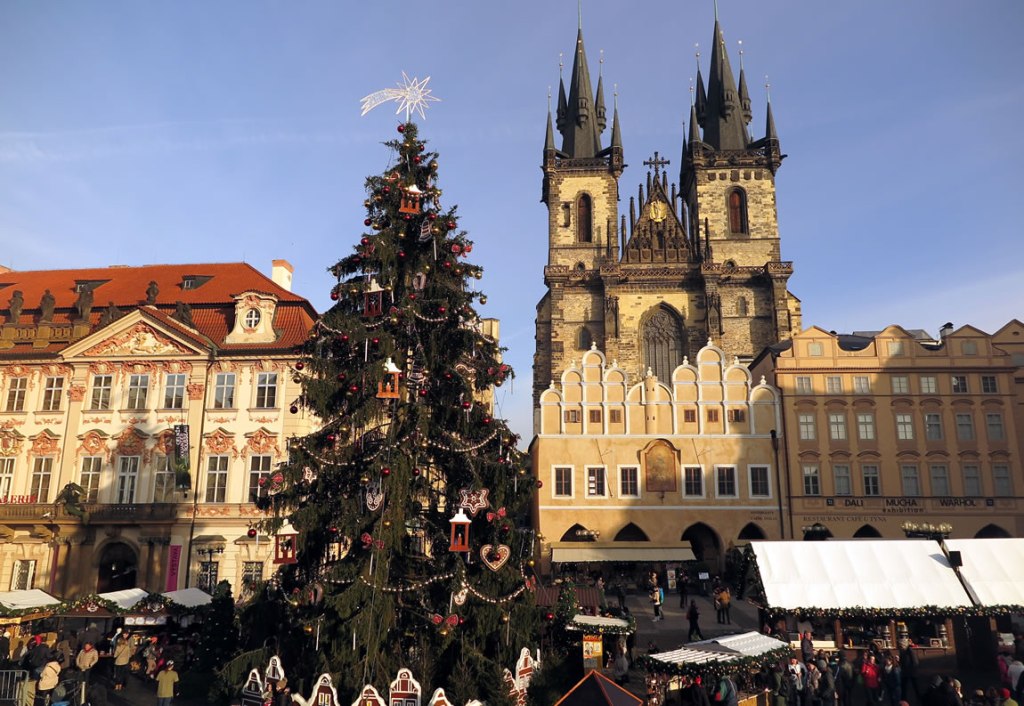
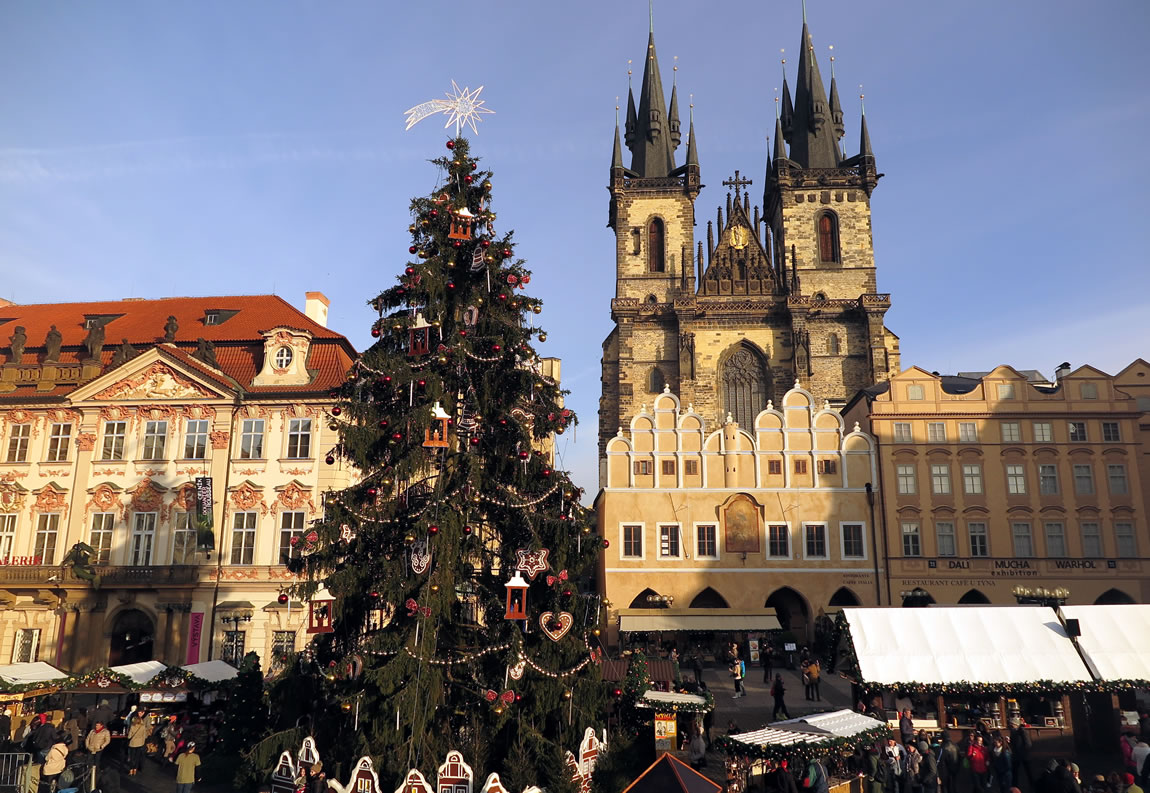
(Final note: Norway Spruce is often used for large Christmas trees, as below, in Prague)

This Czech Christmas Tree is a Norway Spruce. https://www.pragueexperience.com/images/photos/xxxlarge/christmas-tree.jpg
Design a site like this with WordPress.com
Get started