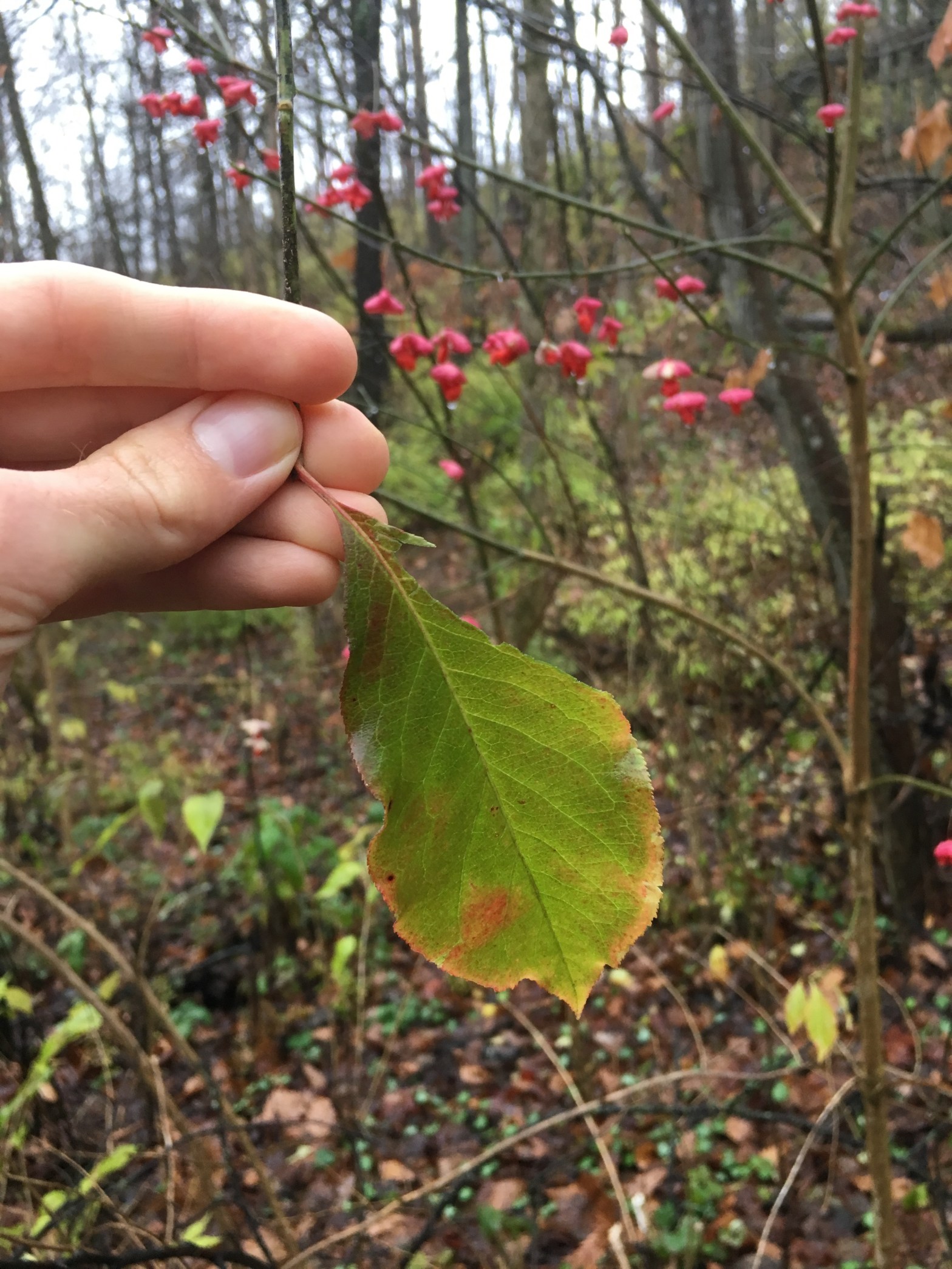
The Eastern Wahoo is one of the handful of idiosyncratic plants that defy the general greyness of November. Also called “burning bush,” it is native to the Midwest, and gets the name Wahoo from the Dakota language, in which it means “Arrow-wood.” (“Wahoo” is also the name of a tropical game fish, and a CreekContinue reading “Wahoos and Other November Color”
Category Archives: hiking
Halloween Botany: Witch-Hazel
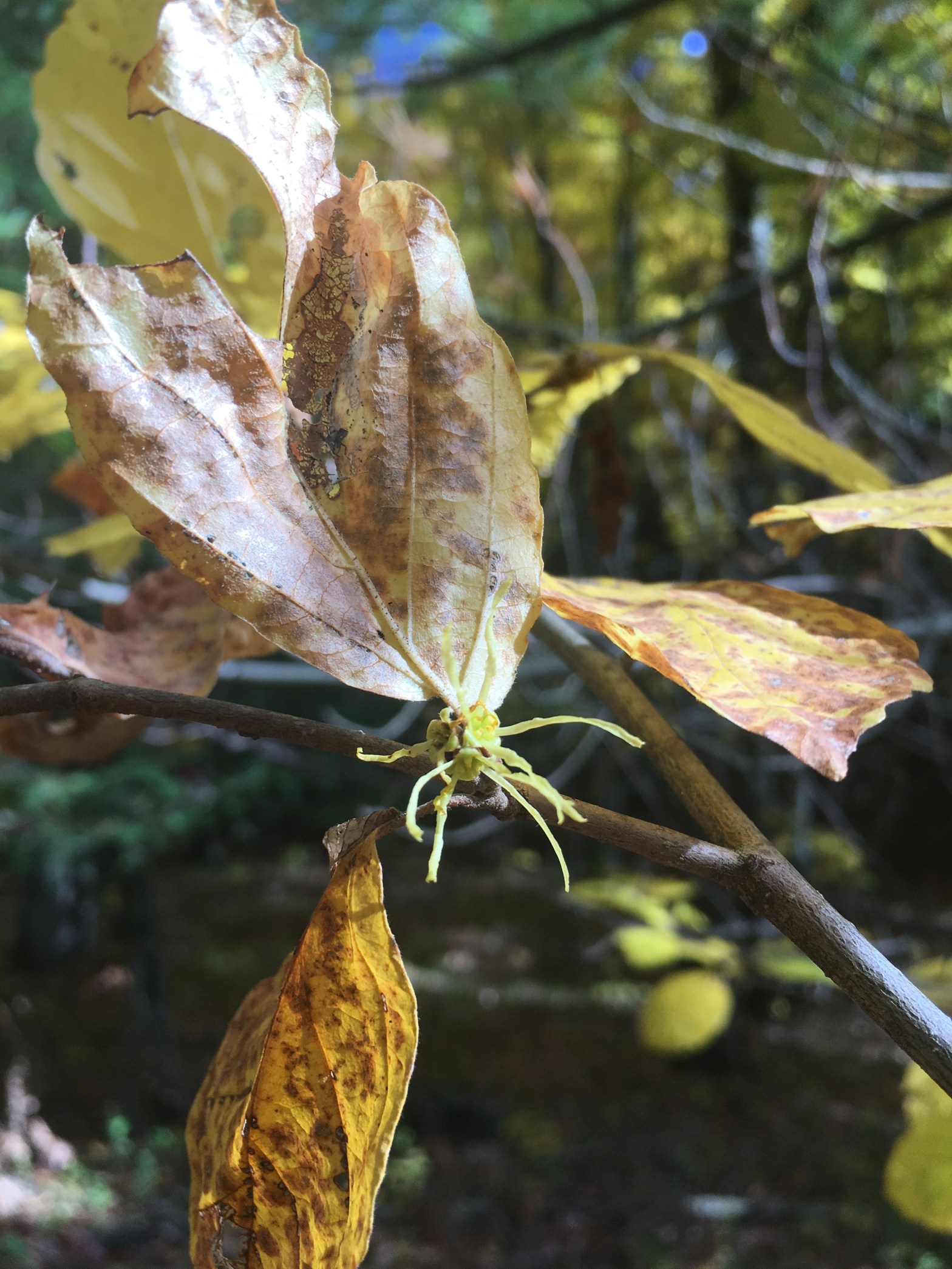
Witch-hazel is fall/winter bloomer, just like the orchids I covered a while back. Perhaps this is part of what makes it “witchy.” In fact, though folk etymologies attribute the name to its use in divining or dowsing, the Online Etymology Dictionary notes that the “witch” in Witch-hazel probably doesn’t come from the common use ofContinue reading “Halloween Botany: Witch-Hazel”
In the Spotlight: Northern White-cedar
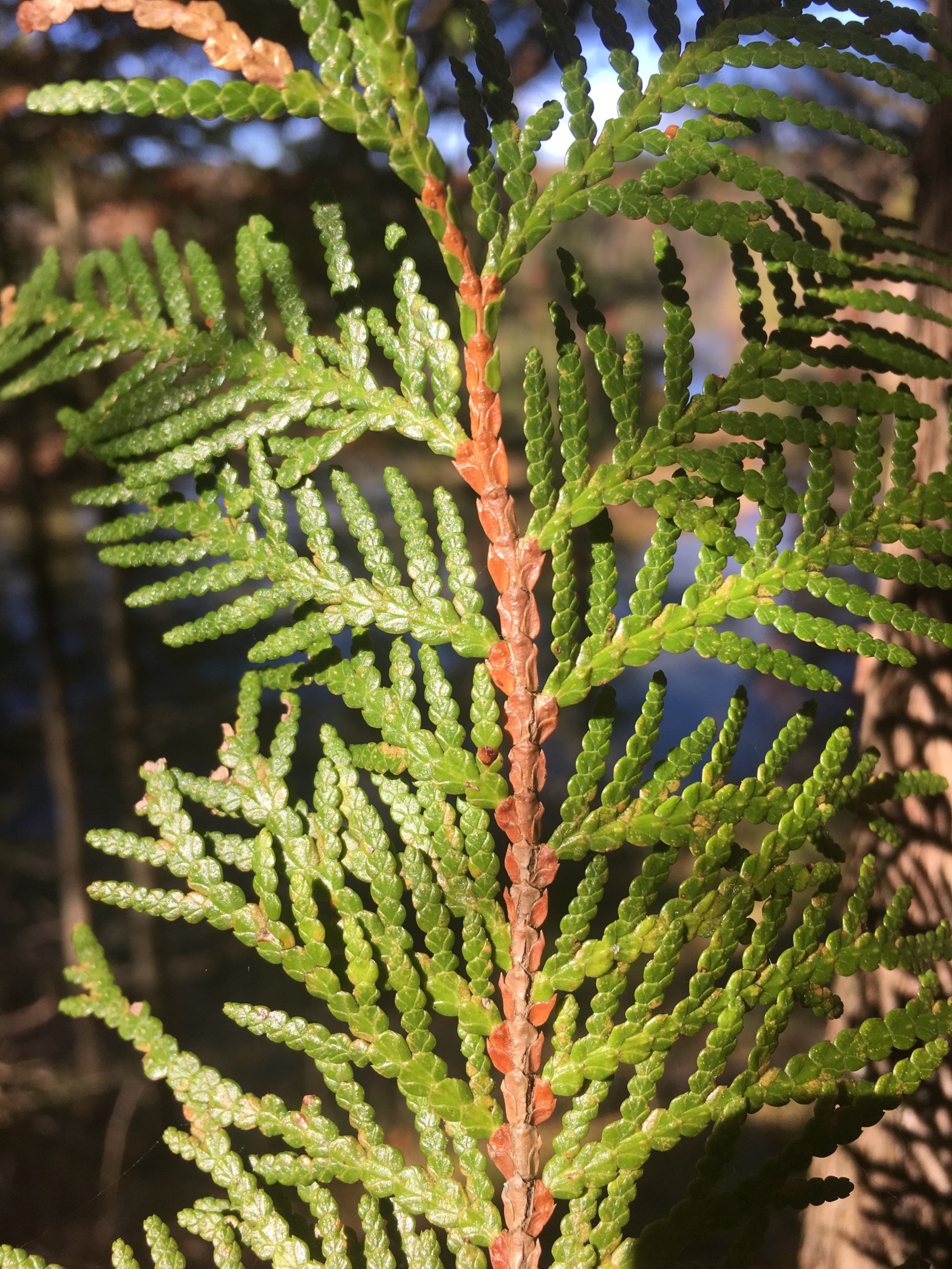
I just got back from a trip up north, which took me into the native range of Thuja occidentalis, also know as Swamp-cedar or Arborvitae. I chose to write about it for two additional reasons: one, because I’ve been reading William Cronon’s classic Changes in the Land, which mentions it as one of the treesContinue reading “In the Spotlight: Northern White-cedar”
A Southern Indiana Fall
Indiana Orchids: Fall is the new Spring
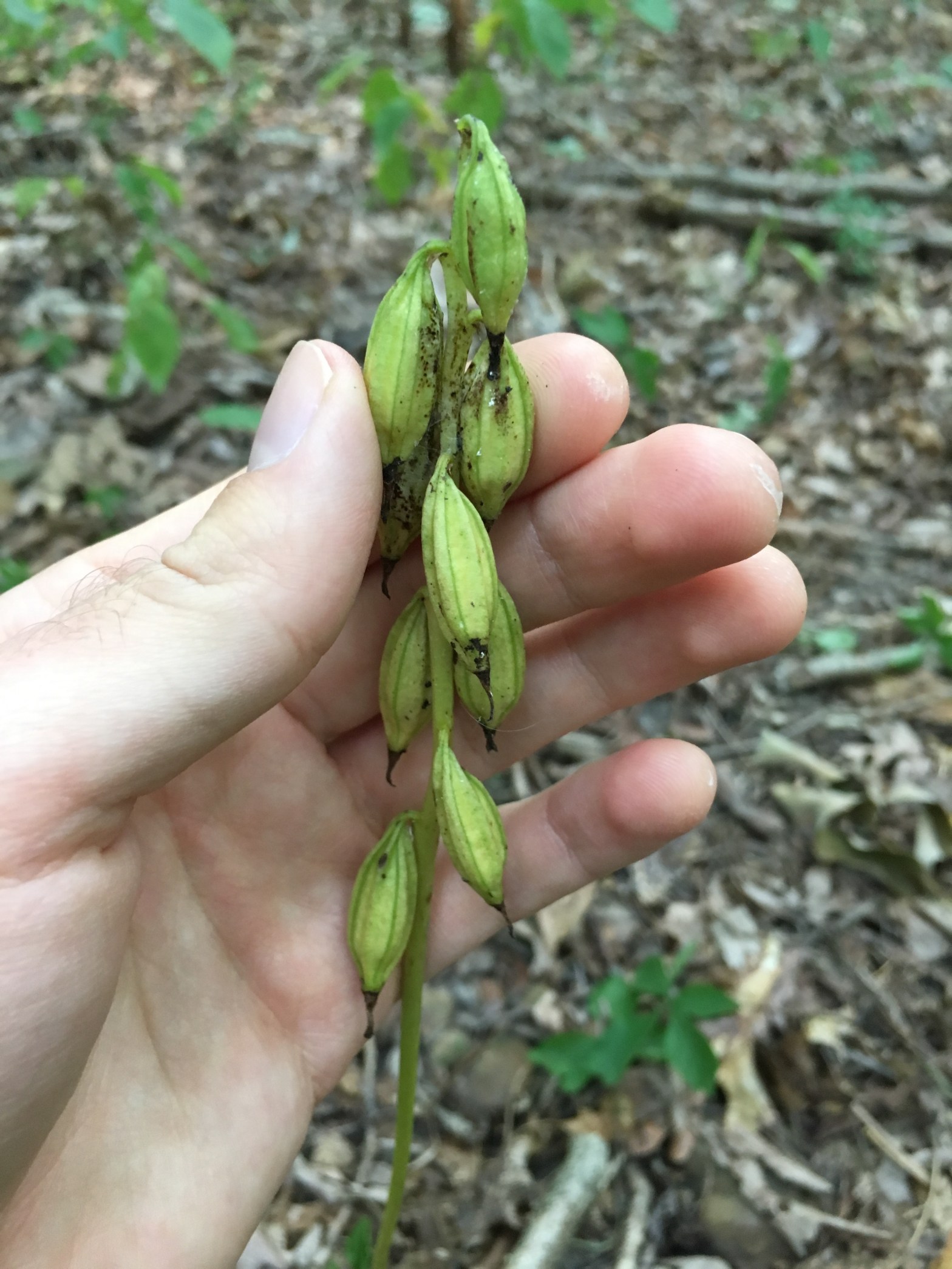
This week I’m taking a break from the Mushroom Lingo series to talk about mushrooms’ floral cousins: orchids. I say that orchids are cousins to mushrooms because orchids depend on fungi for energy during crucial phases of their growth. This is why they are so hard to transplant. First of all, let’s take a lookContinue reading “Indiana Orchids: Fall is the new Spring”
Mushroom Lingo #10: Agaric
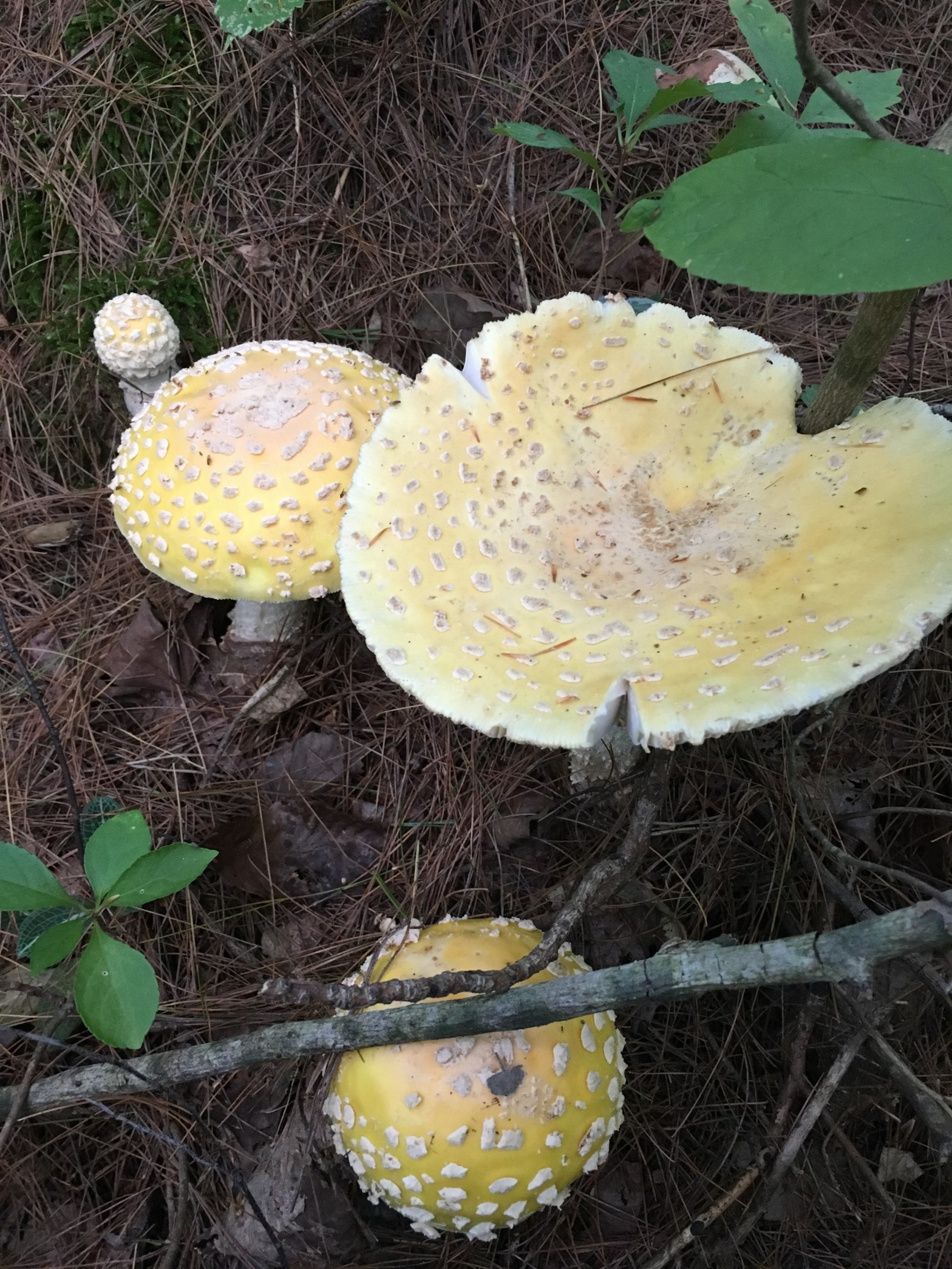
Like “polypore,” “agaric” can be interpreted in two ways. Firstly, morphologically, to refer to any mushroom with the typical mushroom shape—a stem, cap, and gills. It can also be interpreted phylogenetically, to refer to the Order Agaricales. Way back in the days of Linnaeus, when mushrooms were classified macroscopically, these two meanings were equivalent. ButContinue reading “Mushroom Lingo #10: Agaric”
Three Swampy Species: The Cardinal Flower, Buttonbush, and Arrowhead
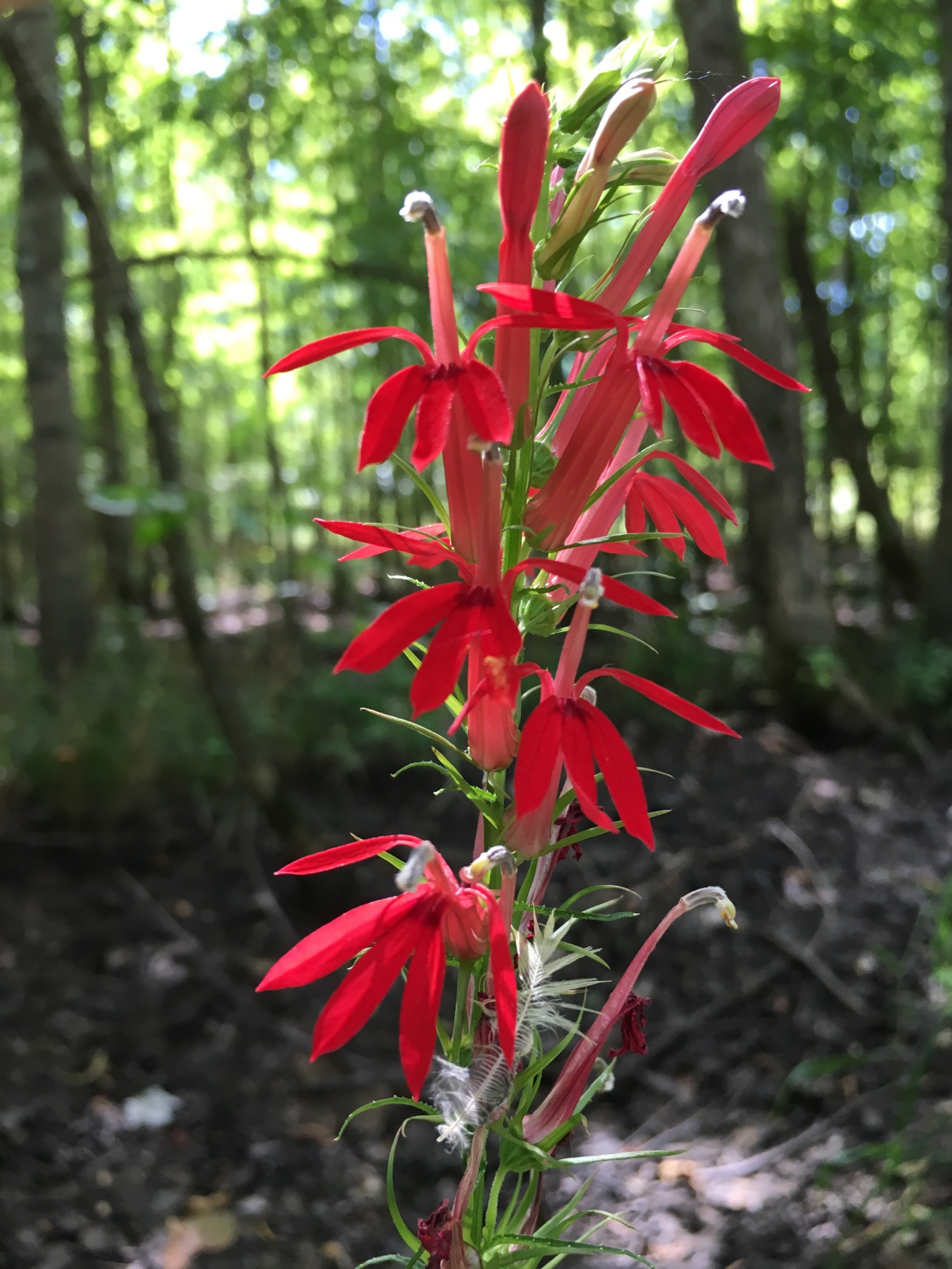
In Indiana at least, forests are actually one of the best preserved habitats. Forests are “multiple-use” spaces — they can be used for hunting, logging, and hiking — and so there is an economic incentive to preserve them. In contrast, wetlands tend to be less well preserved because they don’t produce a salable product likeContinue reading “Three Swampy Species: The Cardinal Flower, Buttonbush, and Arrowhead”
Mushroom Lingo #9: Polypore
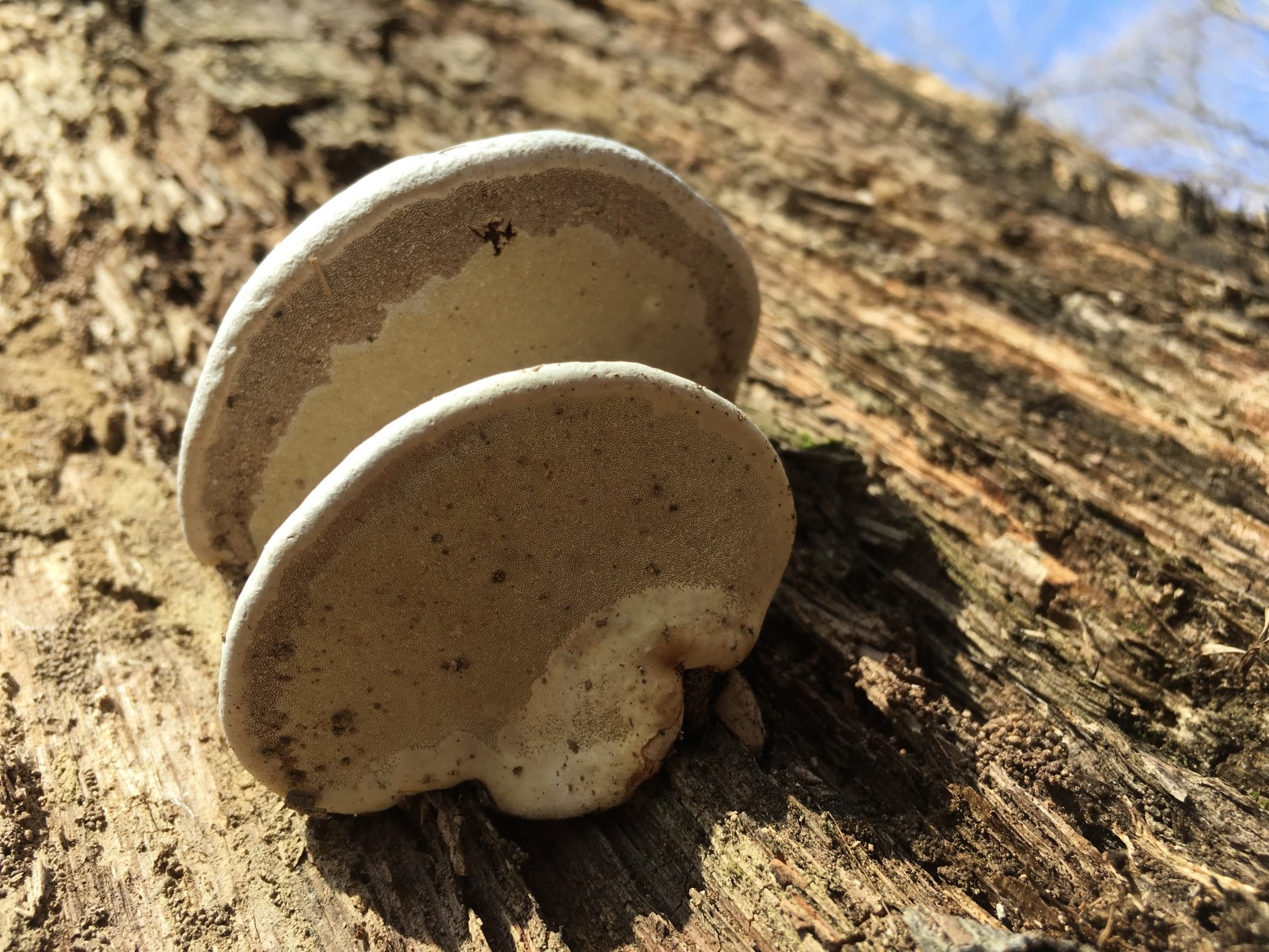
A polypore is just a mushroom with a lot of pores, right? Not quite. Boletes are pored mushrooms, for example, and yet are not polypores. Lenzites betulina doesn’t have pores — it has gills! — and yet it is considered a polypore. What’s going on? As so often with things mushroomy, there isn’t a clearContinue reading “Mushroom Lingo #9: Polypore”
Mushroom Lingo #8: Parasites (and Rhizomorphs)
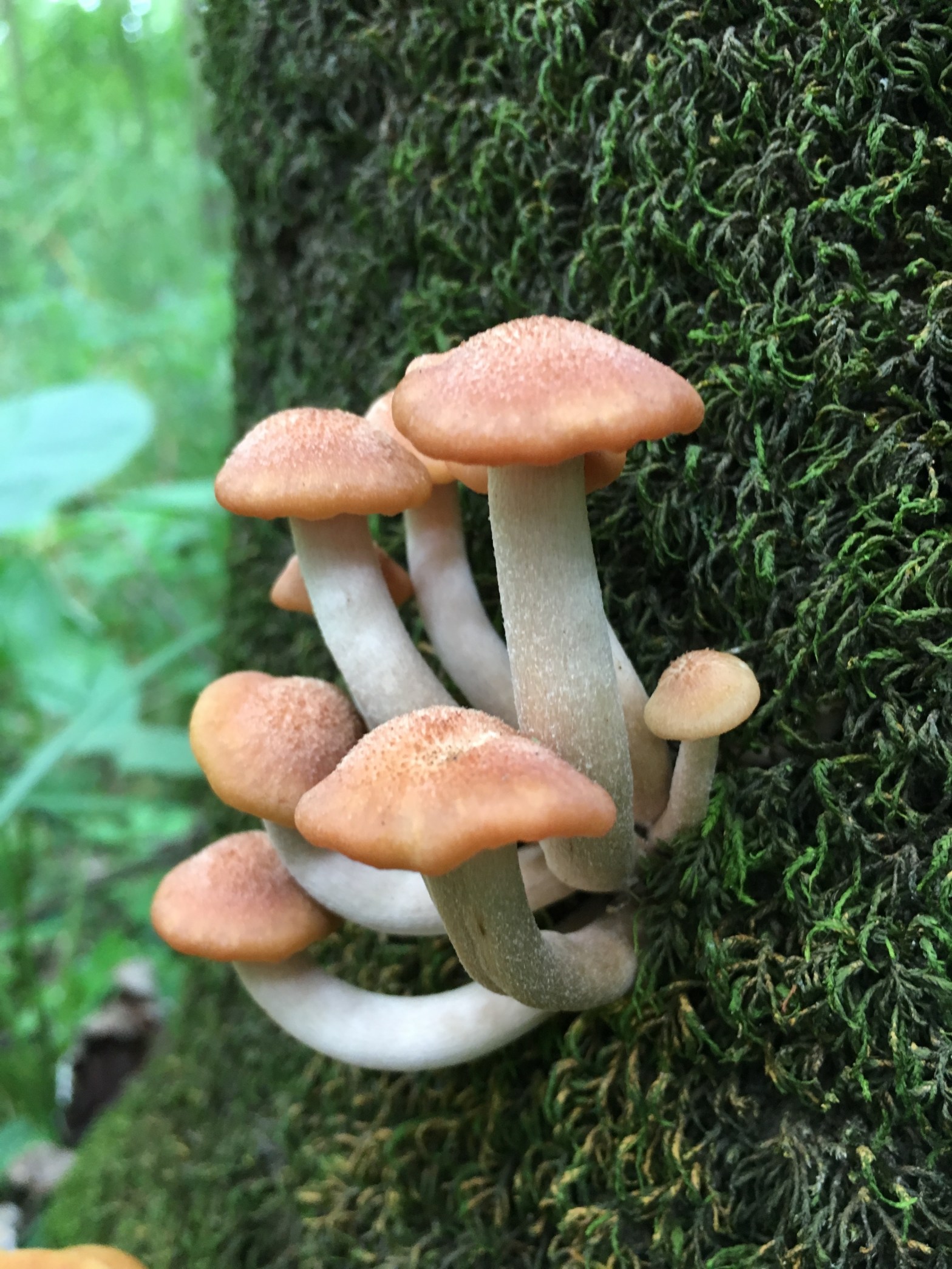
This one’s not too hard to figure out. In contrast to saprobic fungi, parasitic fungi feed on living organisms, whether those are trees, other fungi, or even insects—as is the case with the famous Cordyceps militaris (see Planet Earth: https://www.youtube.com/watch?v=XuKjBIBBAL8) Trees undoubtedly bear the brunt of fungal parasitism, however. These parasites are often specific toContinue reading “Mushroom Lingo #8: Parasites (and Rhizomorphs)”
Meet the Pin Oak
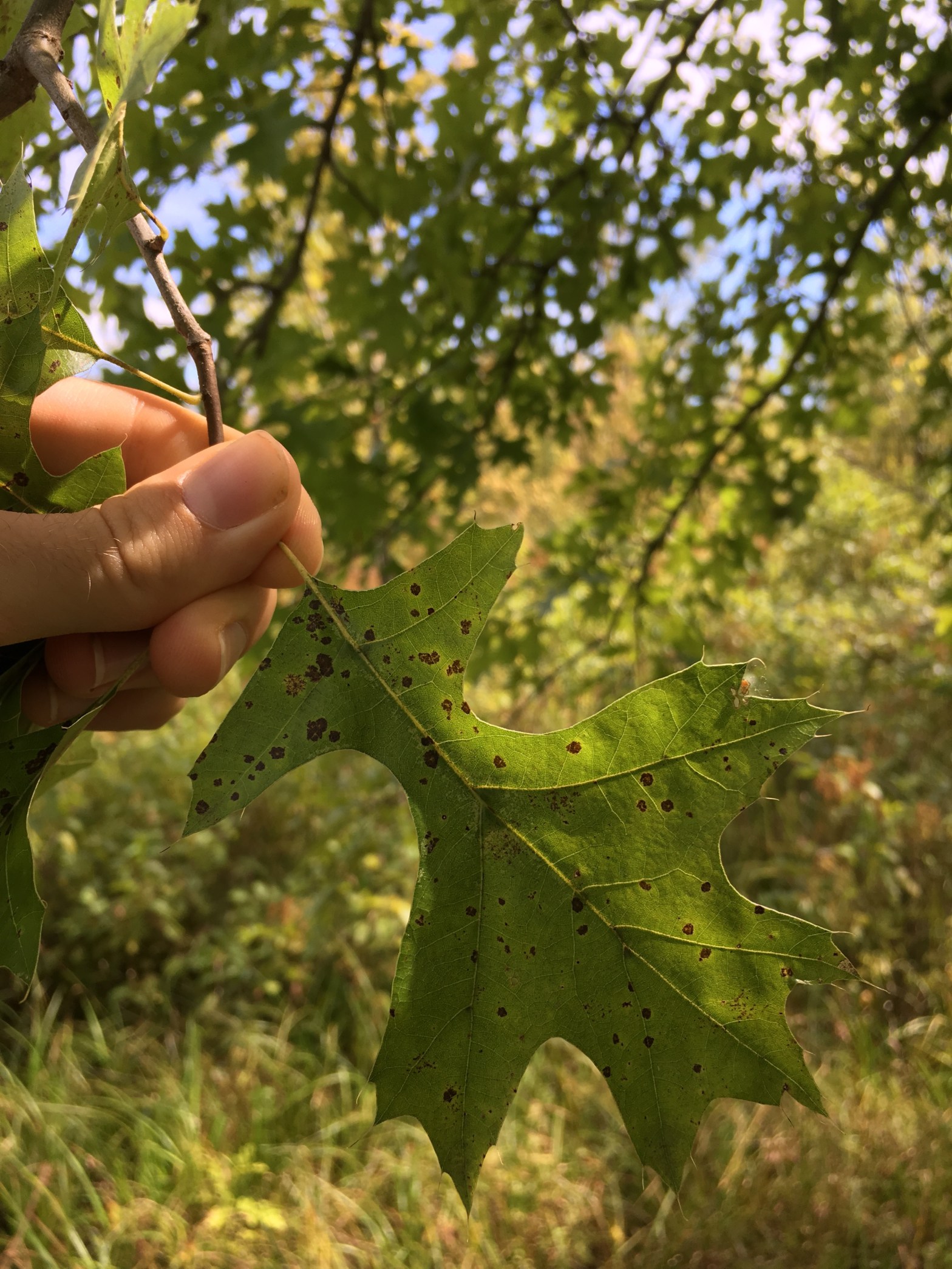
As it naturally occurs, the Pin Oak is a bottomlands tree. It grows on poorly drained, high-clay content soils, with dormant season flooding. The latin epithet palustris in Quercus palustris means something like “of swampy areas,” and it can be readily identified in the wild on the basis of its habitat. Other red oaks, likeContinue reading “Meet the Pin Oak”
 recycled paper clips