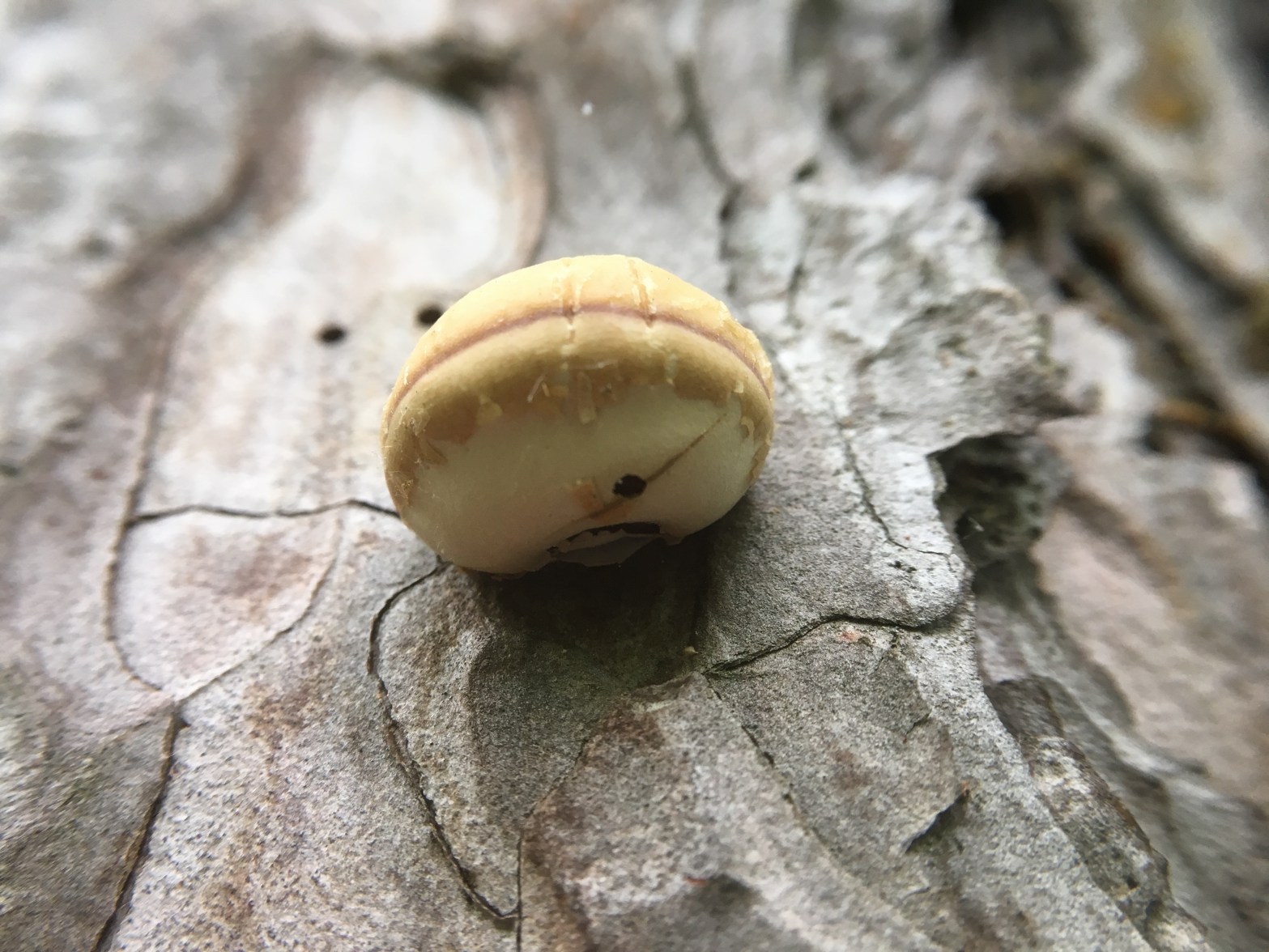
I’ve talked about “veiled” mushrooms on this blog before, but the veiled polypore, Cryptoporus volvatus, is different. Usually, a mushroom’s veil helps protect the gills while it is maturing, but then disintegrates when the mushroom is ready to spread its spores. After all, permanently enclosing your spore bearing surfaces makes no sense as it preventsContinue reading “Mushroom Report: The Veiled Polypore”
Category Archives: hiking
Mimic Flies and Crayfish: Recent Discoveries

Today looking at a part of the natural world I often overlook: the invertebrates. In particular, I’ve recently learned about two fairly different sets of invertebrates: mimic flies and burrowing crayfish. Mimic flies, also known as hoverflies or flower flies, are an incredible family. They are typically black and yellow, fly from flower to flowerContinue reading “Mimic Flies and Crayfish: Recent Discoveries”
3 Things You Might Find While You’re Looking for Morels
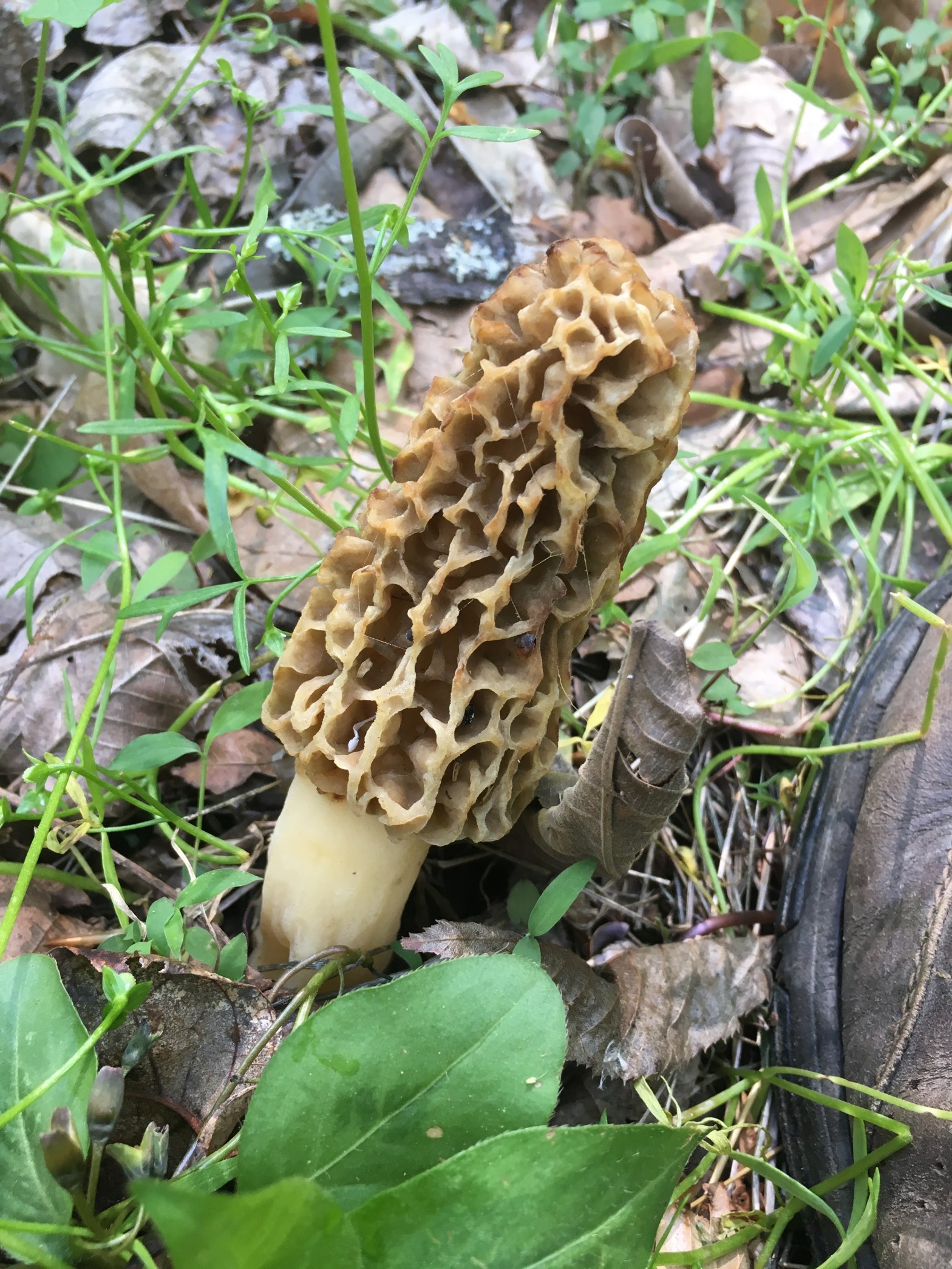
Morel hunting can be tough going. It’s the perfect place at the perfect time…and there’s nothing doing. Luckily, there’s a lot more going on in morel season than just morels. Adding a couple other things to your repertoire can salvage an otherwise disappointing hunt. To start with, a mushroom you will almost certainly find ifContinue reading “3 Things You Might Find While You’re Looking for Morels”
Pollen Cones, Seed Cones and Pine Candles: Conifers in Spring
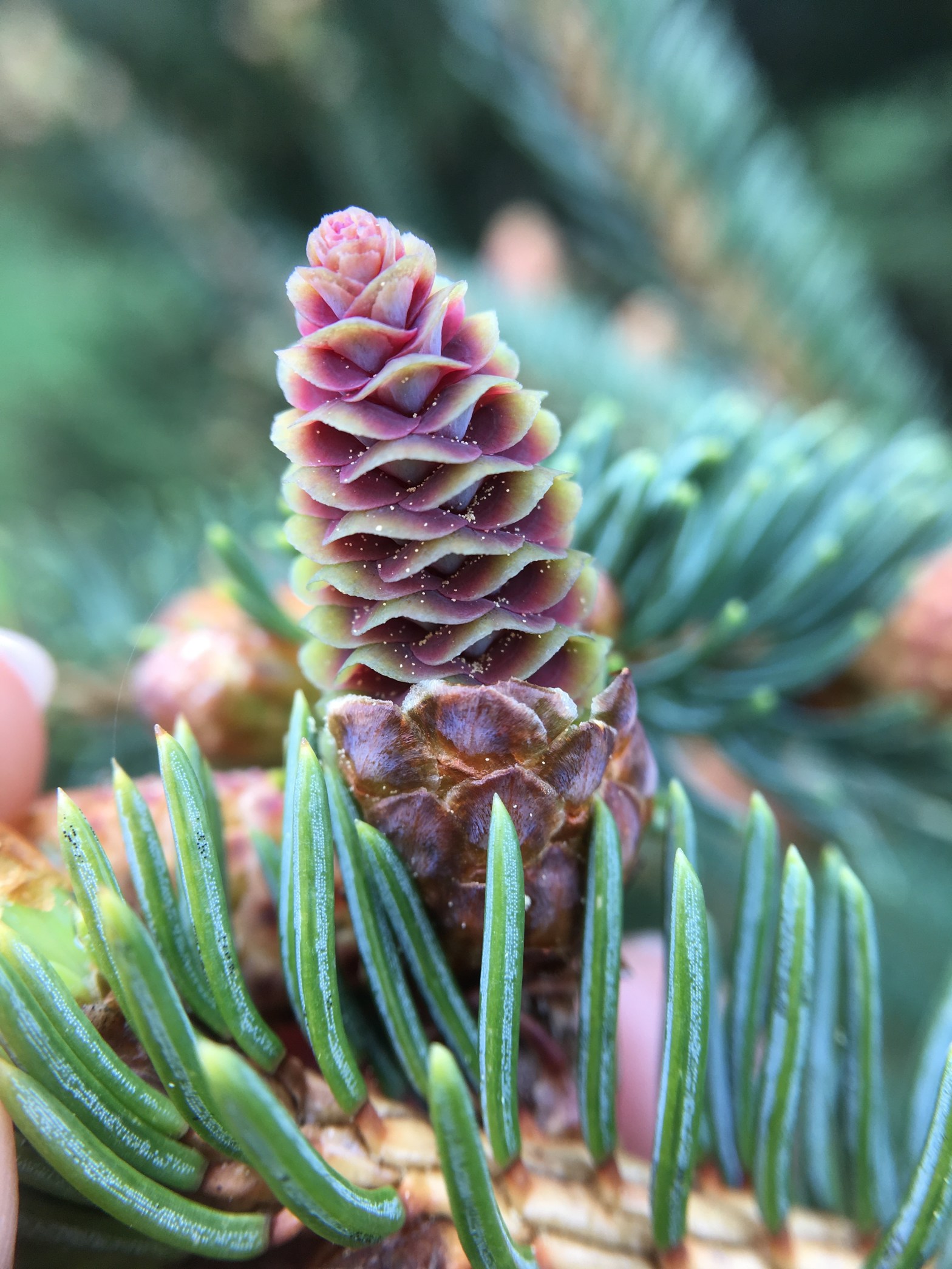
To start with, the basics: conifers are gymnosperms, meaning they don’t have flowers. More specifically, their seeds are not encased within a fruit produced from an ovary. But they do have male and female structures, and they do reproduce through pollination. Above you can see the immature female or seed cone, called the megastrobilus. Below,Continue reading “Pollen Cones, Seed Cones and Pine Candles: Conifers in Spring”
Photo Highlights: Various Early April Finds
The Mushroom Report
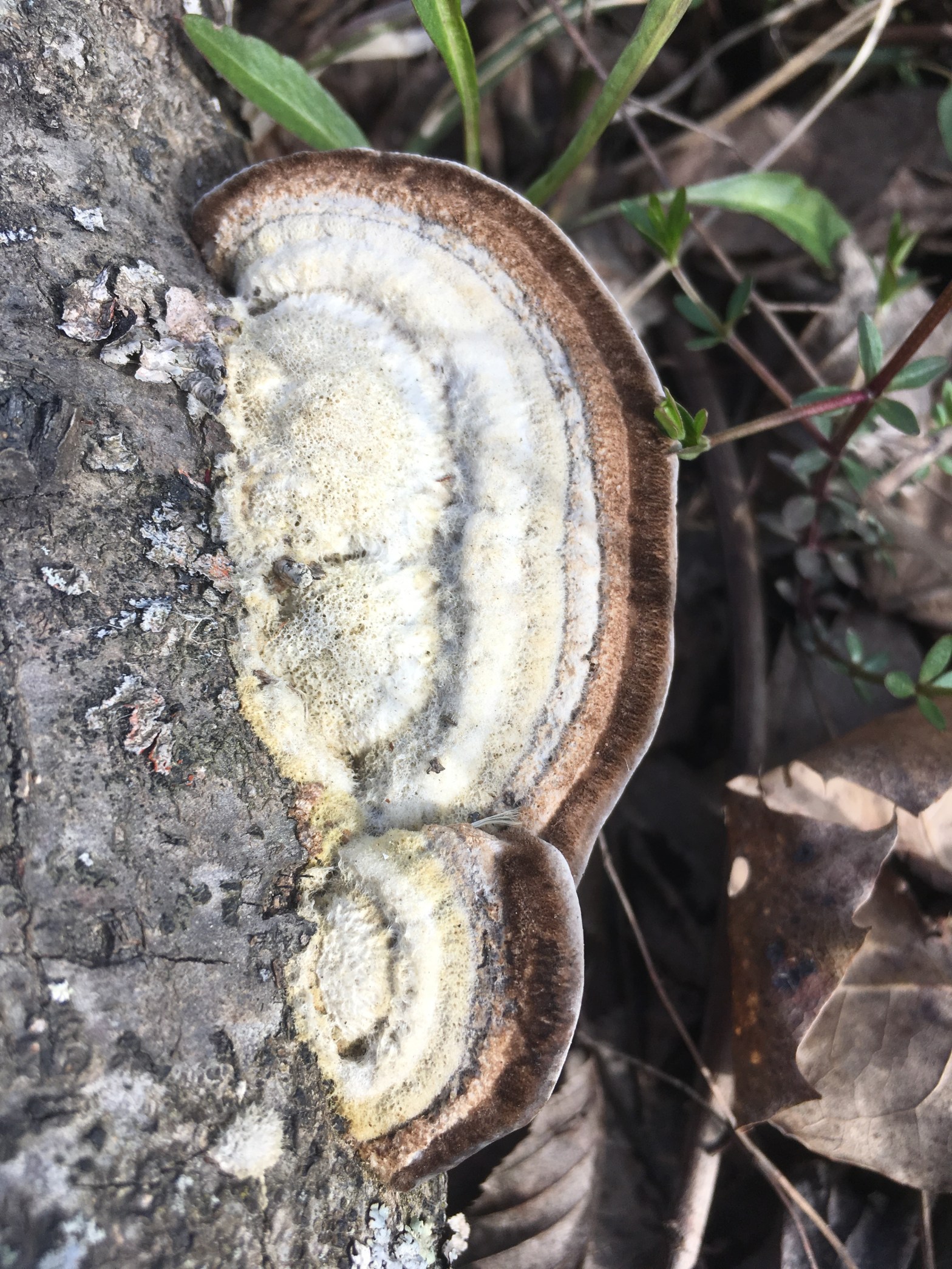
Most interesting find of the week, in fact, probably of the year so far, was this guy: This, I believe, is Gyromitra korfii, considered a good edible, in contrast to a close look-alike, Gyromitra esculenta, which is toxic. The main differences are the thickness of the stem and the color. Korfii is more squat andContinue reading “The Mushroom Report”
What’s Coming Up? Miscellaneous Spring Developments
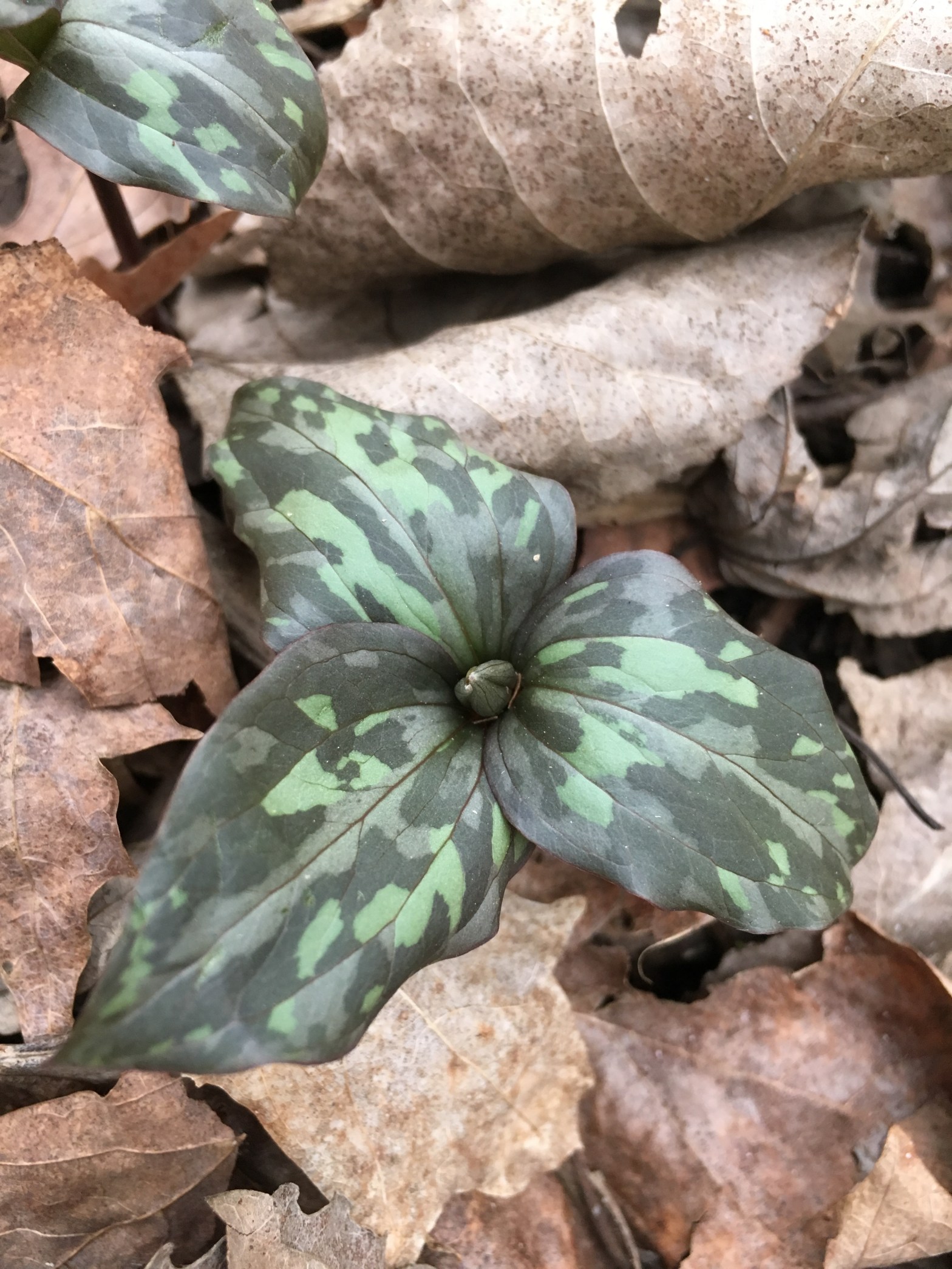
Can you identify these? (Answers at the bottom) Answers Up top (1): a Trillium sp. most likely Trillium sessile or Toadshade. (2): This crustacean-esque plant is a species of Rockcress. These belong to the family Cruciferae, like many well known leafy greens. At this stage it looks a lot like some kind of lobster/crayfish/prawn. (3):Continue reading “What’s Coming Up? Miscellaneous Spring Developments”
Recognizing the American Elm in Bloom
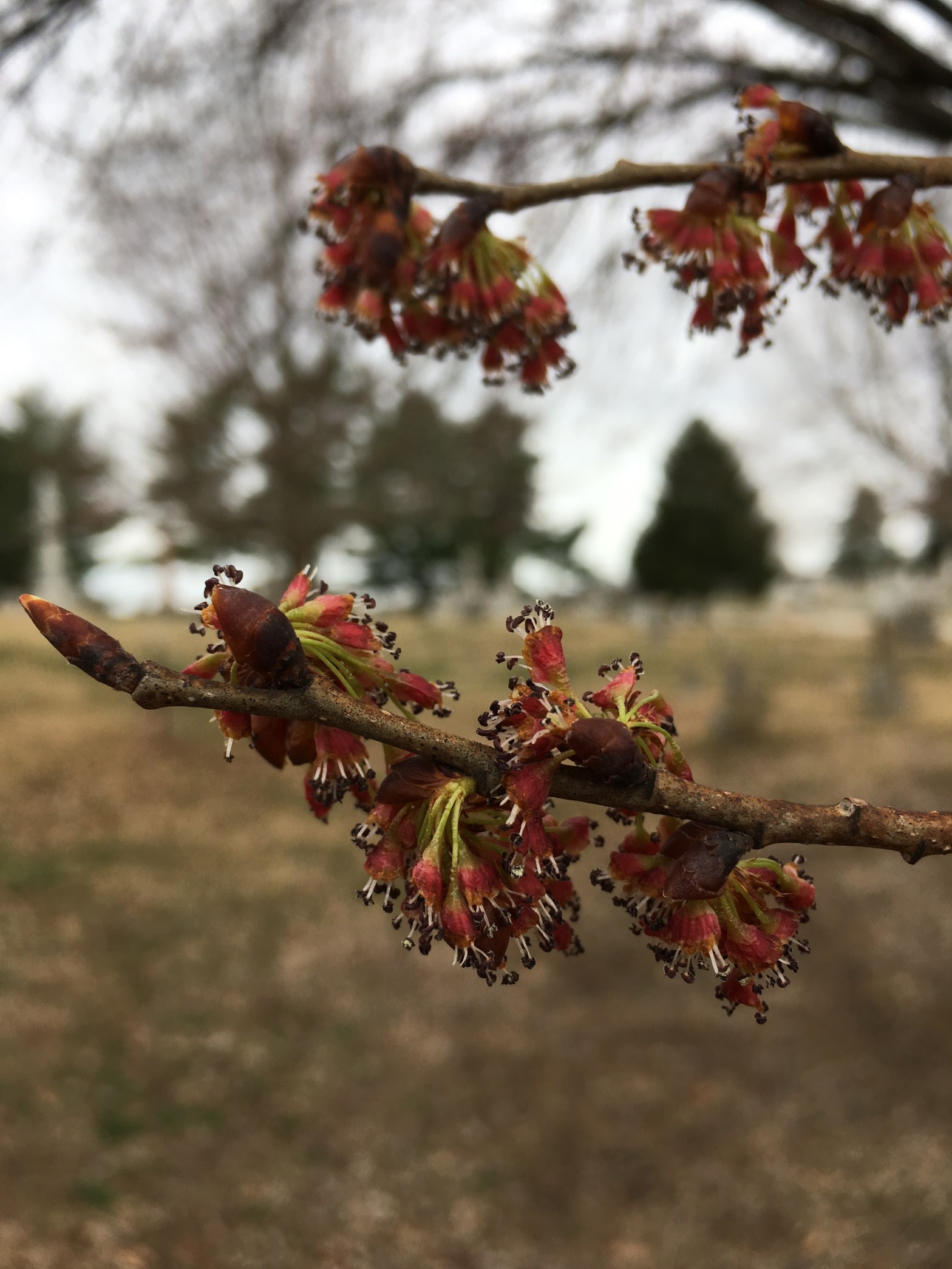
The American Elm can be confused with two other species of elm, The Slippery Elm and the Siberian Elm. Luckily, the American Elm can be easily distinguished from these two when it is bloom— as it happens to be right now (in Indiana). So if you’re unsure about a particular tree, now’s the time toContinue reading “Recognizing the American Elm in Bloom”
Monoecious? Dioecious? Understanding Maples in Bloom
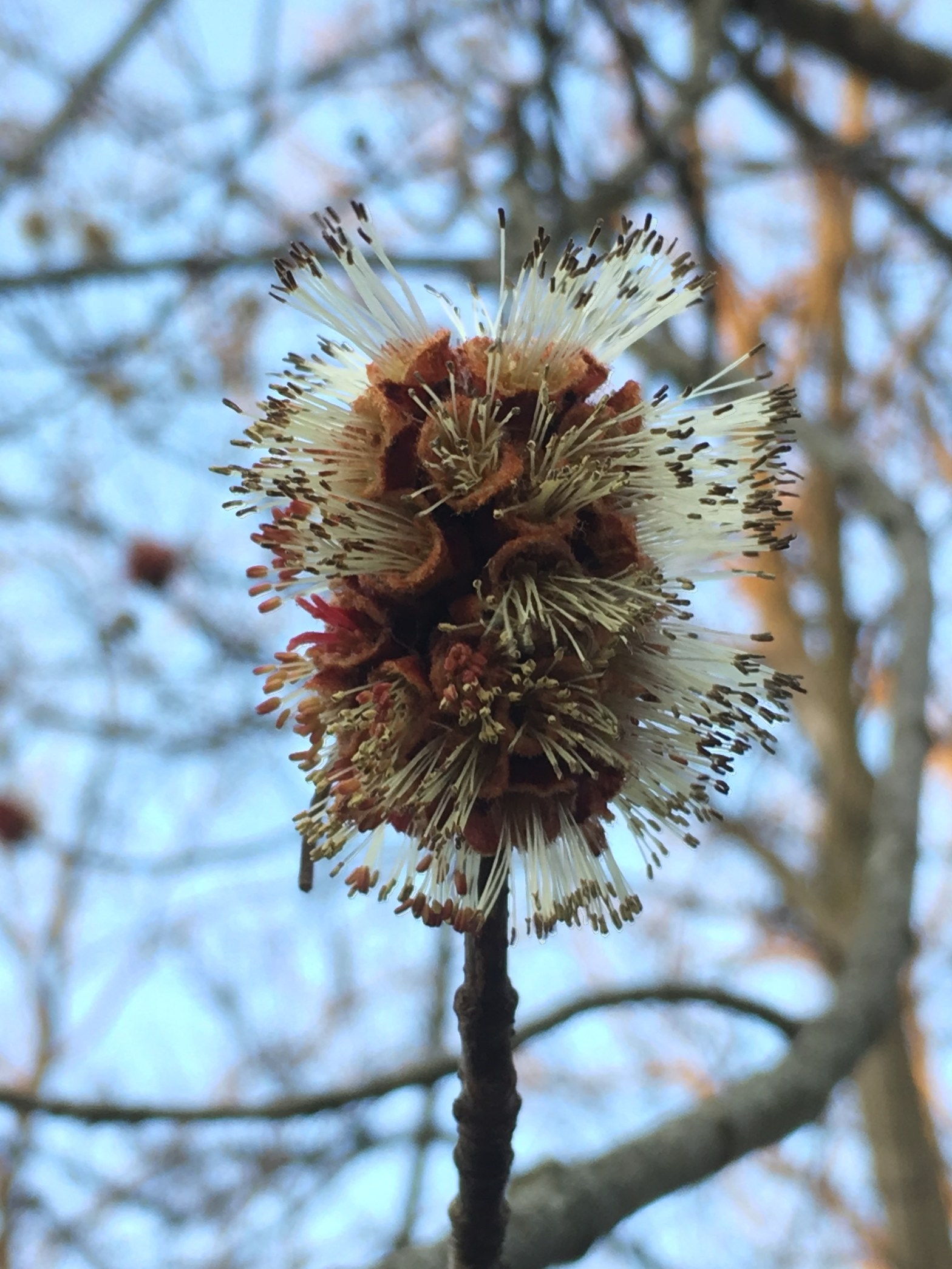
First, a quick explanation of the words in the title above: monoecious vs dioecious. Both of these differ from a third type of flower, the “perfect” flower, or bisexual flower which has both pistils and stamens (an example of this are elms, about which, more in another post). So in both monoecious and dioecious flowersContinue reading “Monoecious? Dioecious? Understanding Maples in Bloom”
Walnut Bark at Different Stages of its Lifecycle.

A major obstacle to identifying trees by bark is that the bark can look very different at different stages of the lifecycle. Guidebooks usually show only the bark at full maturity, which can make it difficult to identify younger trees and leaves out a fascinating metamorphosis. Young walnuts closely resemble their relatives, the hickories. ThereContinue reading “Walnut Bark at Different Stages of its Lifecycle.”
 recycled paper clips