
I think it’s fitting to write a blog about Thoreau, since you could think of him as nothing less than the founder of American blogging (unless that title should go to Benjamin Franklin). Once you stop to think about it, so many American writers have been bloggers. Moby Dick, for example, with its two-page chaptersContinue reading “Walden and Types of Thinking”
Category Archives: Books and Politics
Peter the Great and “Westernization”
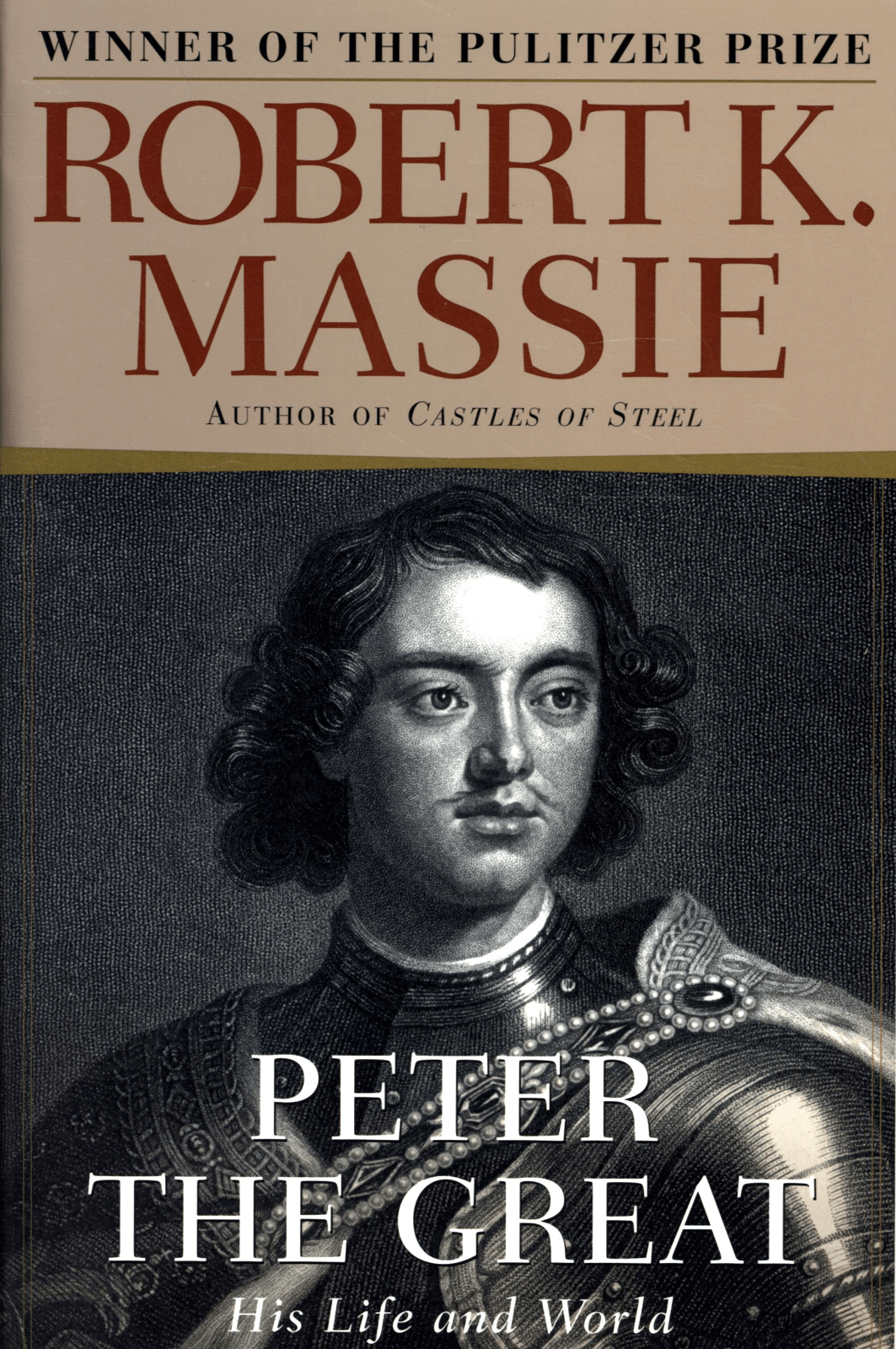
Everyone knows that Peter the Great “westernized” Russia. But what does that mean? And how true is it? In a very literal sense Peter the Great did westernize Russia, that is by persuading a large number of Western experts to immigrate and take up prominent posts in the Russian government. Peter “imported” shipwrights, mathematicians, generals,Continue reading “Peter the Great and “Westernization””
The Selected Letters of Ralph Ellison: A reader’s thoughts
I am finding The Selected Letters of Ralph Ellison frustrating. Less the letters themselves, than the context in which they are presented. It feels to me like John F Callahan, Ellison’s literary executor, is, or is at least attempting to be, the owner of a monopoly on all things Ralph Ellison, which in a senseContinue reading “The Selected Letters of Ralph Ellison: A reader’s thoughts”
War with the Newts

I have just finished reading Válka s mloky (War with the Newts) to keep up my Czech. Čapek wrote the novel in four months, and it took me almost that long to read it. As reading practice for a non-native speaker, it is perfect because a lot of different vocabulary comes up: economic, historical, political,Continue reading “War with the Newts”
Notes on “Civil War Monuments and the Militarization of America”
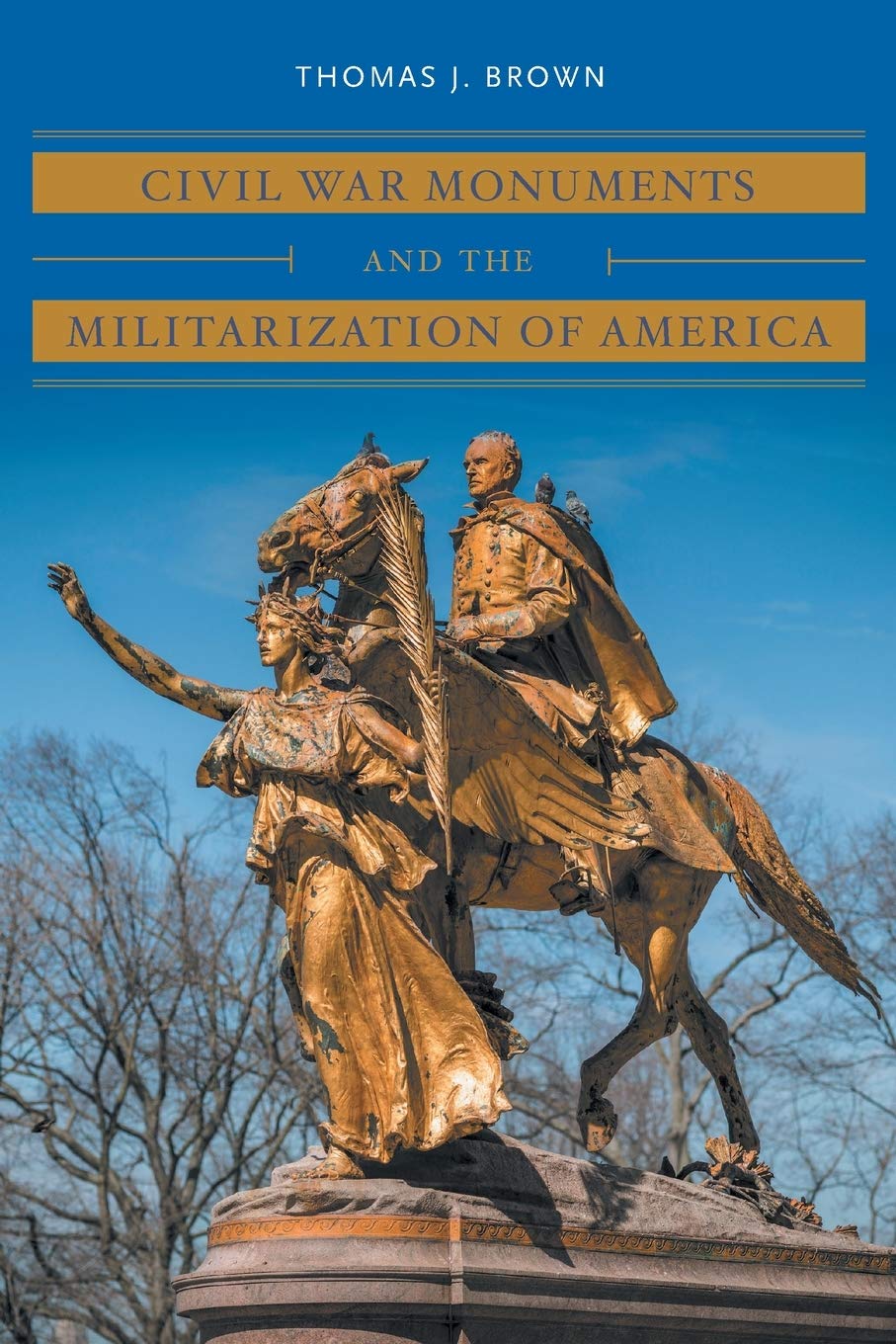
Since the beauty of this book lies in the specifics, rather than try to somehow present a coherent summary in the form of an essay, I am simply giving as bullet points facts that struck me so far. Americans initially thought of themselves as peaceable in contrast to Imperial Britain with it’s global empire andContinue reading “Notes on “Civil War Monuments and the Militarization of America””
A First Glance at: “First Person” Putin’s Self-Portrait
So far (I’m about half-way in) “Volodya” as he is mostly called, seems to be a fairly typical product of his environment. As he himself says, “I was a pure and utterly successful product of Soviet patriotic education,” an interesting remark because it implies that he at least partially sees through that patriotic brainwashing, andContinue reading “A First Glance at: “First Person” Putin’s Self-Portrait”
Reading Ta-Nehisi Coates: An update on “The Black Family in the Age of Mass Incarceration”
Ta-Nehisi Coates first published “The Black Family in the Age of Mass Incarceration” in October of 2015. Four and a half years and an important prison reform law (the First Step Act) have passed, how much has changed? There seems to have been some improvement. Not only has the total incarceration rate dropped, but theContinue reading “Reading Ta-Nehisi Coates: An update on “The Black Family in the Age of Mass Incarceration””
Speak, Memory: Worth Reading, but not a Must Read
Nabokov’s “Speak, Memory” has been called “The finest autobiography written in our time.” This is certainly an exaggeration. As with Pale Fire, Nabokov is pleasant reading (given a free afternoon in the middle of winter, plenty of strong black tea, nothing else to do, and ideally a warm, crackling fire). He is a writer ofContinue reading “Speak, Memory: Worth Reading, but not a Must Read”
Art According to Ta-Nehisi Coates
Reading through Ta-Nehisi Coates’ “We Were Eight Years in Power,” I came across an incredible paragraph in which he describes the aesthetic he absorbed from Nas’s “One Love.” “Art was not an after-school special. Art was not motivational speaking. Art was not sentimental. It had no responsibility to be hopeful or optimistic or make anyoneContinue reading “Art According to Ta-Nehisi Coates”
Tolstoy’s Absolutism: Strength or Weakness?
Part I. One of the most distinctive characteristics of Tolstoy, both in his actual life and in his literary fictions, was his absolutism. As we know from his wife’s diaries, whenever Tolstoy embraced a passion, whether it was beekeeping, war, agriculture, philosophy, politics, or writing, he embraced it totally; and when he grew disinterested inContinue reading “Tolstoy’s Absolutism: Strength or Weakness?”
 recycled paper clips