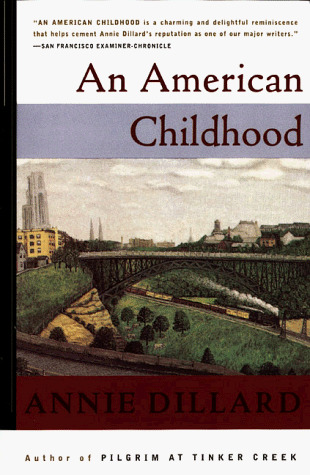
Today I finished Annie Dillard’s An American Childhood, a book I enjoyed a lot, and yet felt like it could have been more. I kept expecting the memoir to open up, from an exuberant description of her idyllic childhood, to a more general reflection on the world in which she grew up and her placeContinue reading “Neurodiversity and Literature: Thoughts on Annie Dillard’s An American Childhood”
Author Archives: recycledpaperclips
Mushroom Lingo #1: Reticulate
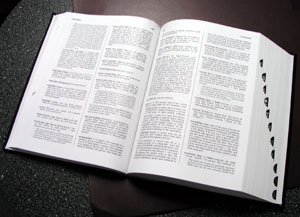
Words are power, and one of the early obstacles to identifying mushrooms is understanding the terminology of the field guides. Today we’ll focus on the adjective “reticulate” because recently I’ve found lots of the Ornate Stalked Bolete, which illustrates that term perfectly. Reticulate is not just a mushrooming term, but it’s also not common knowledge.Continue reading “Mushroom Lingo #1: Reticulate”
It’s not a fungus, but what is it? Part 2
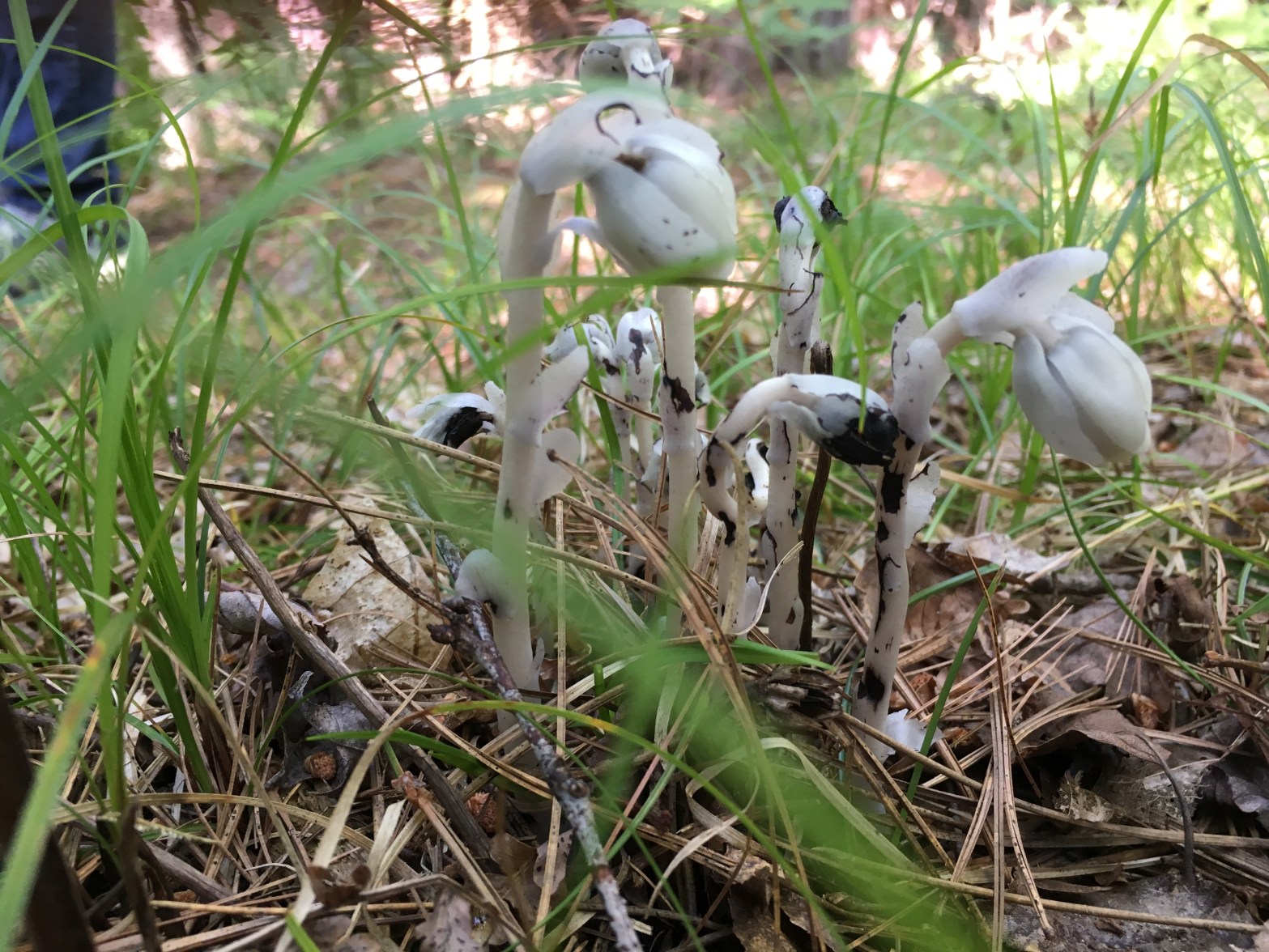
Plants are multicellular organisms that use chlorophyll to make their own food…right? Well, not always, as it turns out. There are actually a number of plants that parasitize other organisms, mistletoe, for example. Or American Cancer Root, which has featured before on this blog and parasitizes oaks. But have you ever heard of a plantContinue reading “It’s not a fungus, but what is it? Part 2”
It’s not a fungus, but what is it?
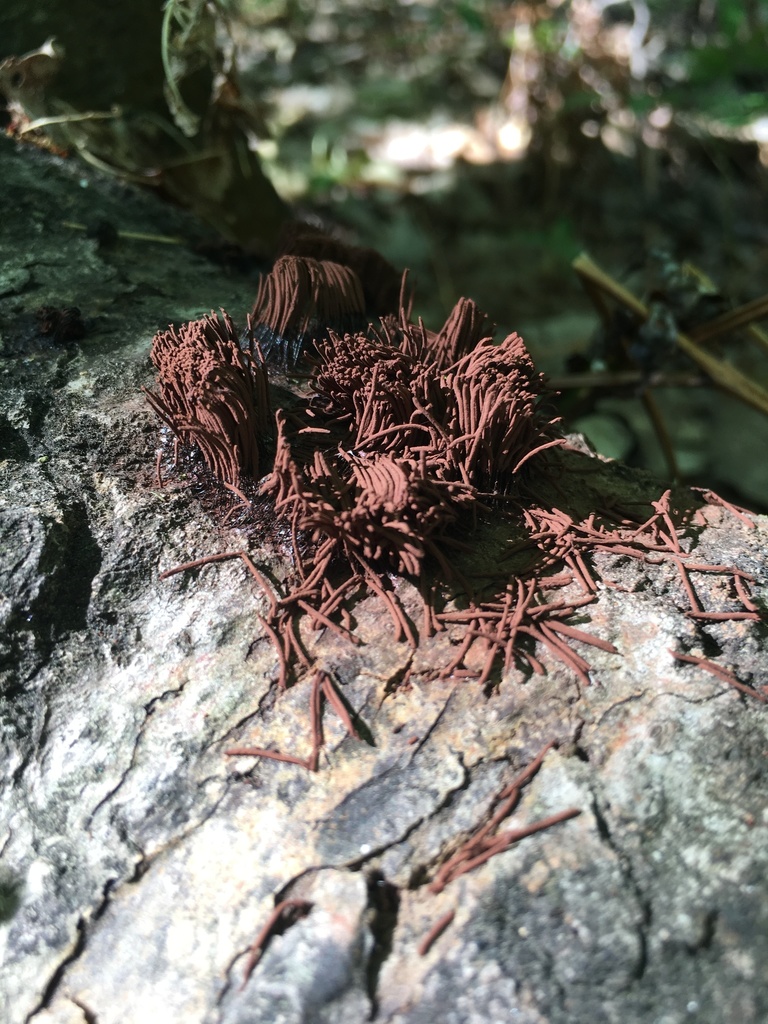
One of the fun things about looking for mushrooms is that often in the process you will find and learn about something else. Maybe it’s trees, or insects, or mosses…or slime molds. Many is the time I’ve bent down to look at a spot of color on a log to discover strange globs, blobs, fuzzes,Continue reading “It’s not a fungus, but what is it?”
Walden and Types of Thinking

I think it’s fitting to write a blog about Thoreau, since you could think of him as nothing less than the founder of American blogging (unless that title should go to Benjamin Franklin). Once you stop to think about it, so many American writers have been bloggers. Moby Dick, for example, with its two-page chaptersContinue reading “Walden and Types of Thinking”
Tree of Heaven: Tree Identification with your Nose

It’s interesting how much of an impact street names have on our knowledge of trees. Pretty much everyone knows that Oaks, Hickories, Walnuts, and Elms are trees, even if most people can’t identify them. I am reminded of the chapter called “Place-Names” in Proust, how some words exist that no longer refer to anything particular,Continue reading “Tree of Heaven: Tree Identification with your Nose”
June Hiking and the Brown Water Scorpion
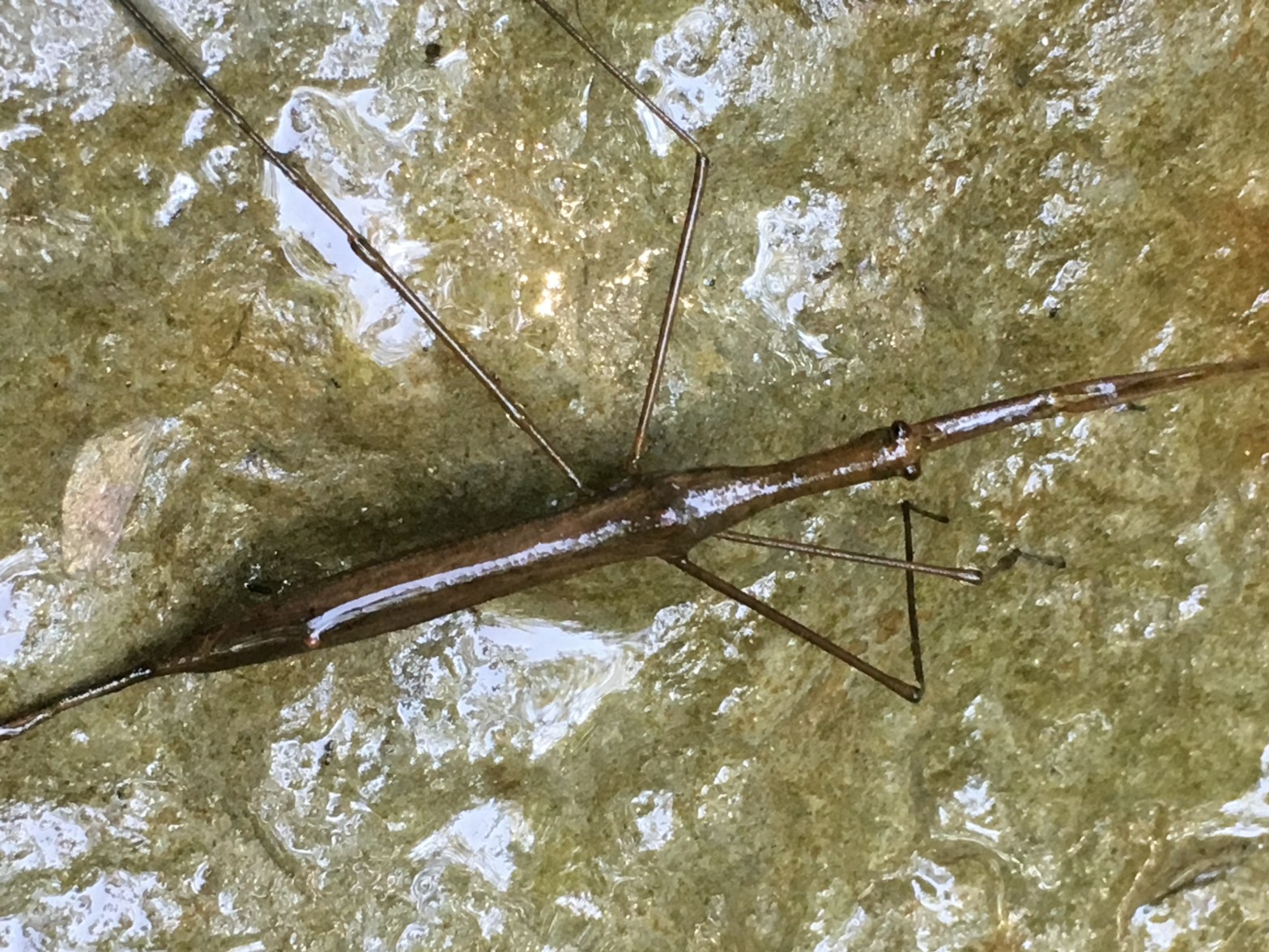
Today I’m going to try something new and discuss not a plant or a mushroom, but an insect. It hasn’t rained in weeks and there’s not a whole lot going on in the fungal kingdom (visibly, anyways). Besides, The Brown Water Scorpion, Ranatra fusca, is a pretty cool thing to find. I found one forContinue reading “June Hiking and the Brown Water Scorpion”
Chicory
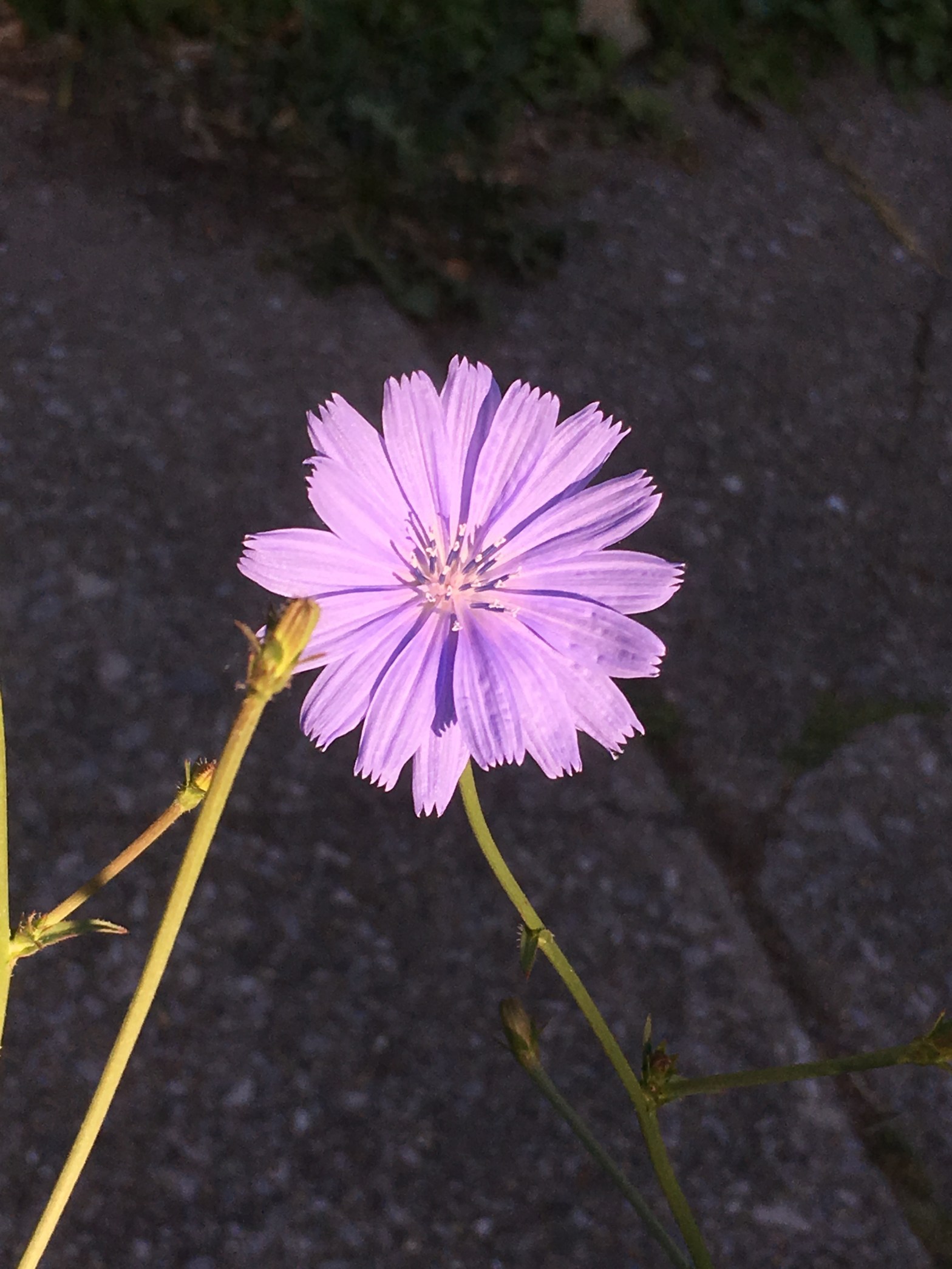
On my morning bike ride to work one day I spotted some electric blue flowers in my neighbor’s yard—which he has yet to mow this year. Then I saw them a couple other places on my morning route. I took a mental note and resolved to come back during my lunch break and photograph themContinue reading “Chicory”
Elms and their look-alikes
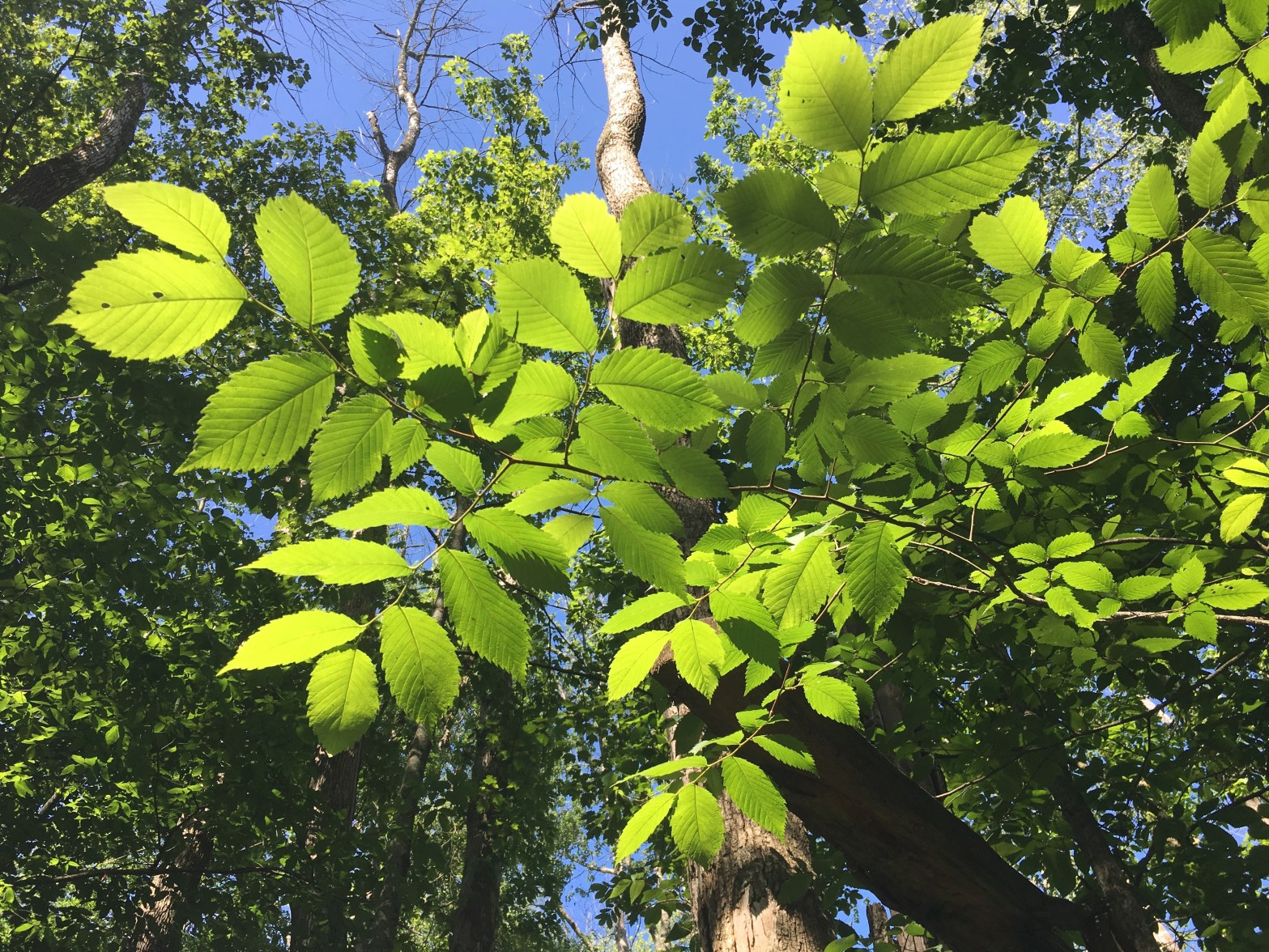
The conventional wisdom on Elms (American and Slippery) is that they can be recognized by their asymmetrical leaf bases. However, in my experience there is considerable variation from plant to plant and also even from leaf to leaf on single tree. Many of the elms I find have nearly symmetrical leaf bases—possibly because they haveContinue reading “Elms and their look-alikes”
Why do we obey? Thoughts on Peter the Great.
One of the most striking things about the reign of Peter the Great is how much he was able to get away with as a ruler. I mean not in terms of his personal life, but in terms of his demands on the people as ruler of the State. Over the course of his reign,Continue reading “Why do we obey? Thoughts on Peter the Great.”
 recycled paper clips