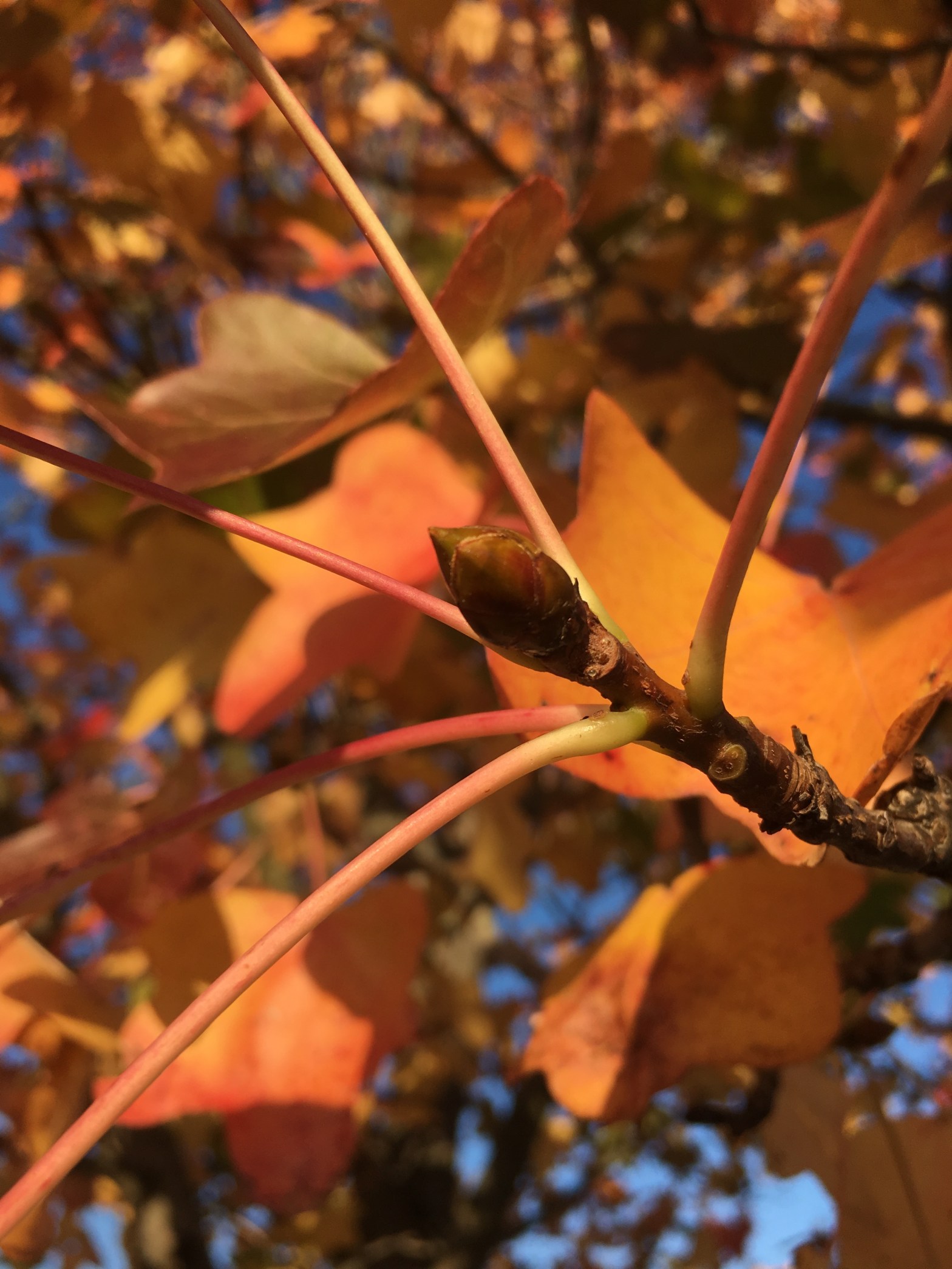
I’ve written before about using bark to identify trees in the winter, but sometimes bark can be ambiguous and it helps to have another tool up your sleeve. Knowing a bit about buds just gives you that much more evidence to go on. One of the first things looking at buds will tell you isContinue reading “Winter Tree ID: Buds”
Author Archives: recycledpaperclips
Wahoos and Other November Color
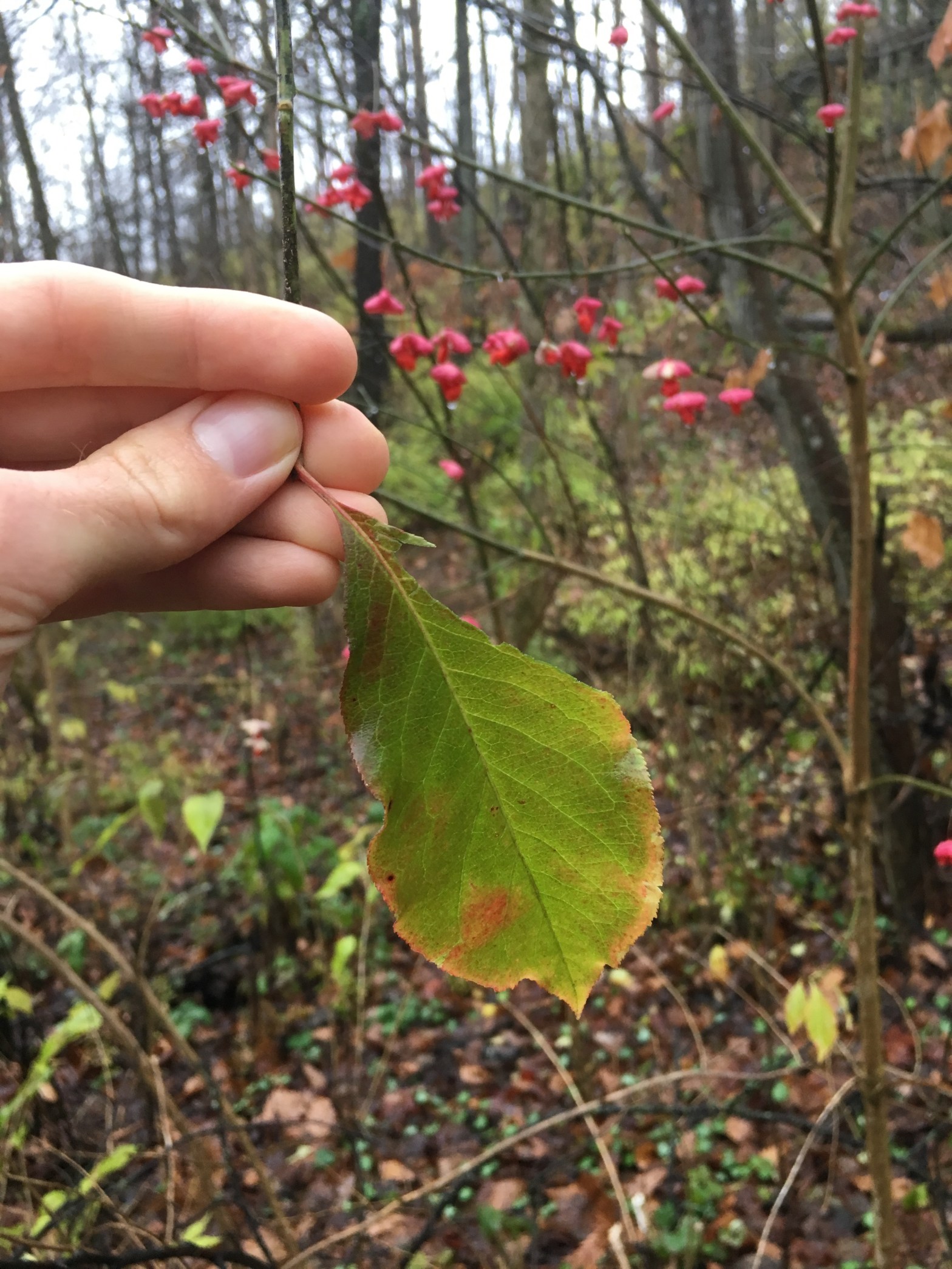
The Eastern Wahoo is one of the handful of idiosyncratic plants that defy the general greyness of November. Also called “burning bush,” it is native to the Midwest, and gets the name Wahoo from the Dakota language, in which it means “Arrow-wood.” (“Wahoo” is also the name of a tropical game fish, and a CreekContinue reading “Wahoos and Other November Color”
Reading “A Brief History of Neoliberalism”

David Harvey sheds light on a question I have asked before on this blog in connection with Peter the Great: Why do we obey? Or rather, why do people sometimes act against their own best interests? Why do the many “let” the few take advantage of them? This question is perhaps not as mysterious asContinue reading “Reading “A Brief History of Neoliberalism””
Neoliberalism in Contemporary Czech Fiction

I have at last finished Pavla Horáková’s Teorie Podivnosti, a book chosen more or less at random from the pool of “highly-acclaimed contemporary popular Czech fiction” as a kind of experimental sampling. What is Czech literature currently like? How is it different from American popular literature, and what kind of world-outlook does it evince? ToContinue reading “Neoliberalism in Contemporary Czech Fiction”
Halloween Botany: Witch-Hazel
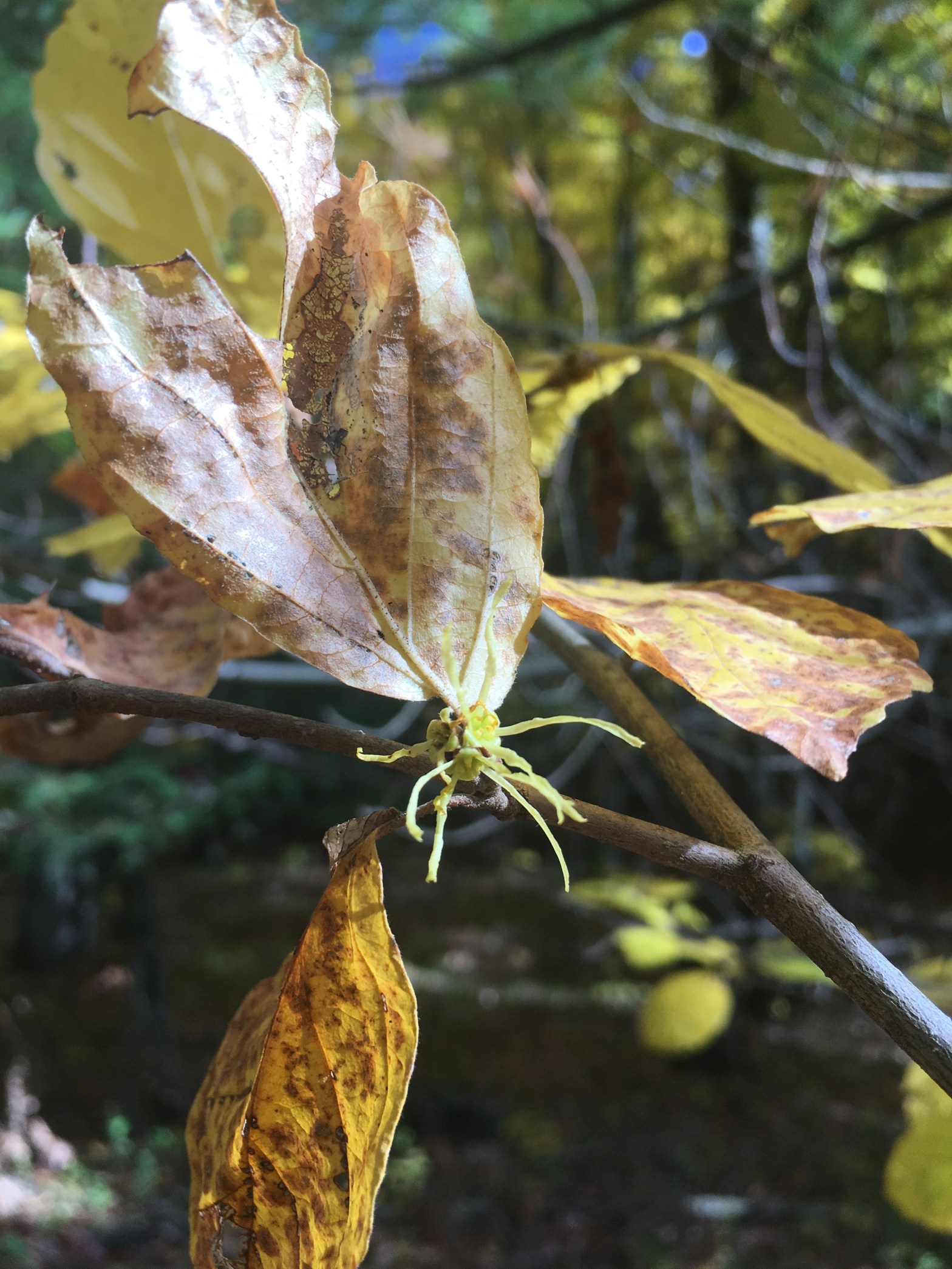
Witch-hazel is fall/winter bloomer, just like the orchids I covered a while back. Perhaps this is part of what makes it “witchy.” In fact, though folk etymologies attribute the name to its use in divining or dowsing, the Online Etymology Dictionary notes that the “witch” in Witch-hazel probably doesn’t come from the common use ofContinue reading “Halloween Botany: Witch-Hazel”
In the Spotlight: Northern White-cedar
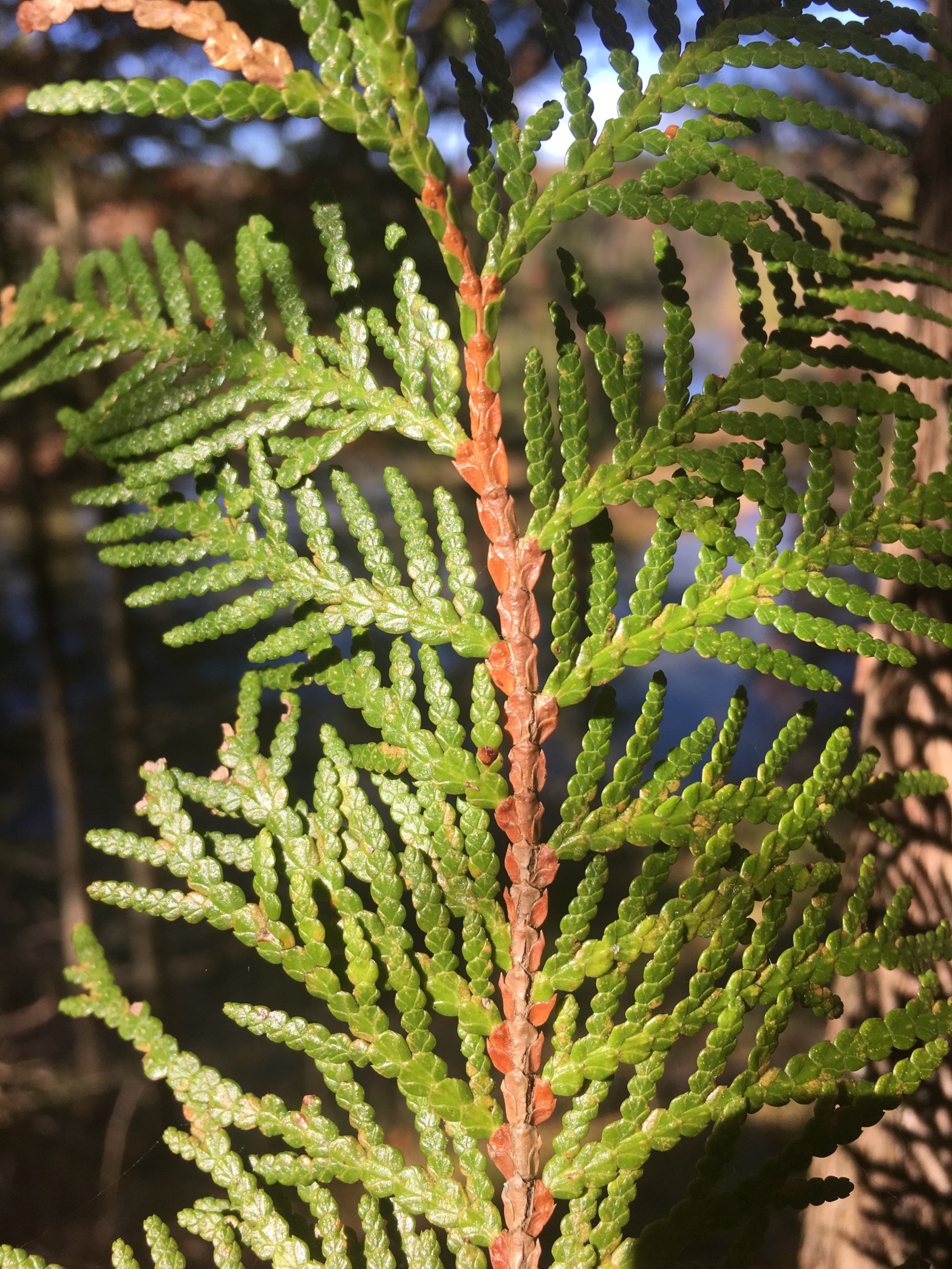
I just got back from a trip up north, which took me into the native range of Thuja occidentalis, also know as Swamp-cedar or Arborvitae. I chose to write about it for two additional reasons: one, because I’ve been reading William Cronon’s classic Changes in the Land, which mentions it as one of the treesContinue reading “In the Spotlight: Northern White-cedar”
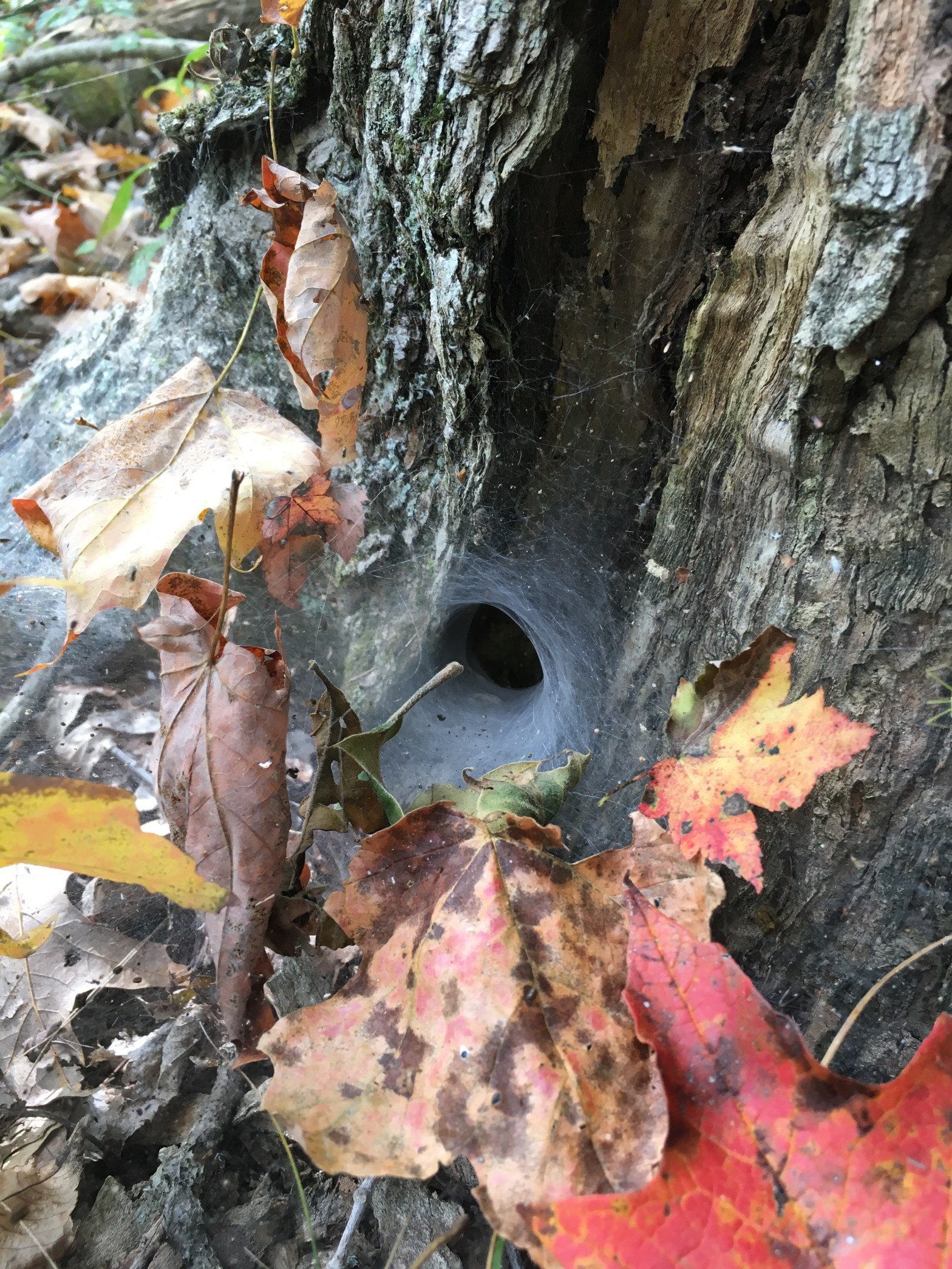
A Southern Indiana Fall
Indiana Orchids: Fall is the new Spring
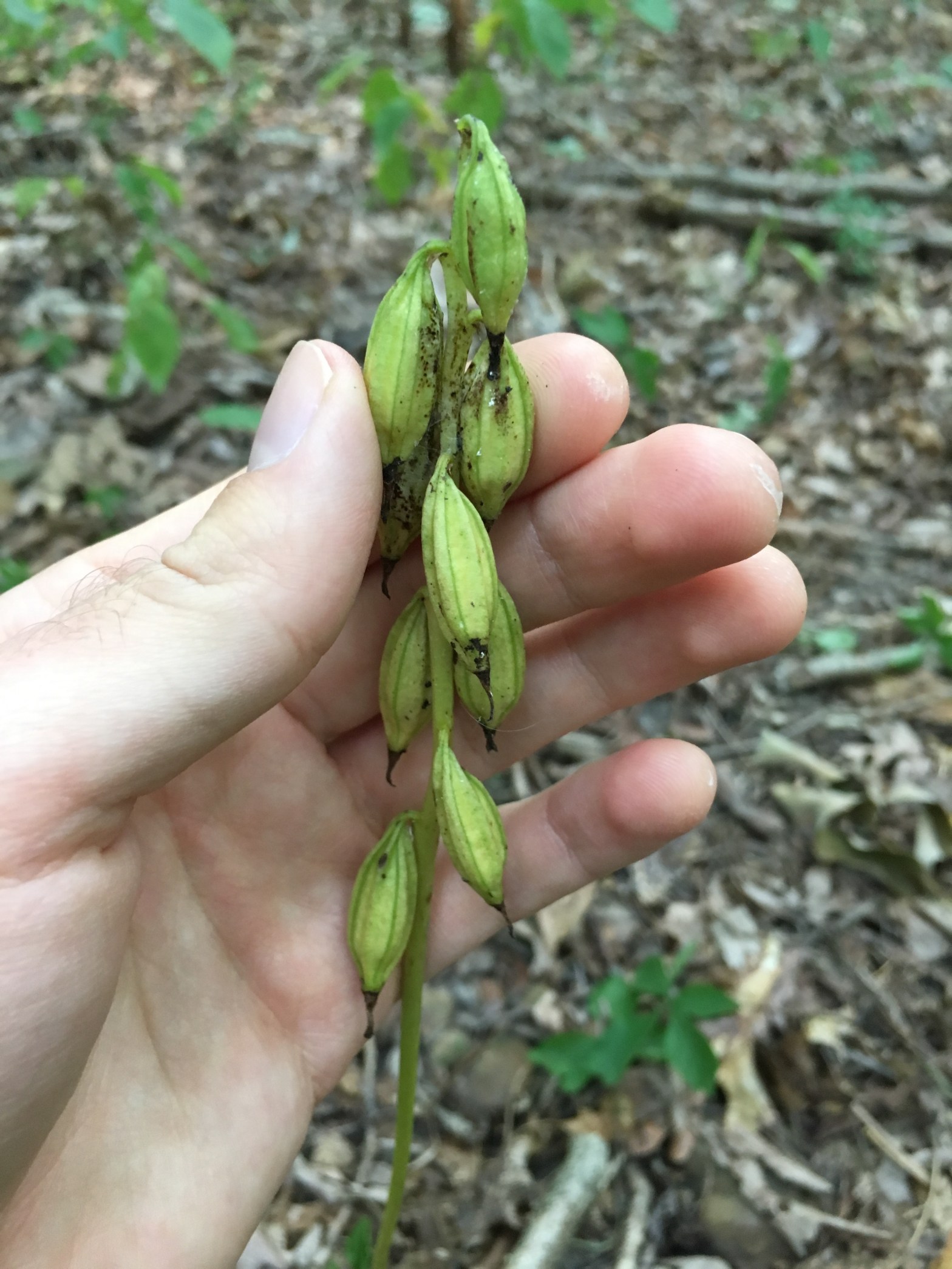
This week I’m taking a break from the Mushroom Lingo series to talk about mushrooms’ floral cousins: orchids. I say that orchids are cousins to mushrooms because orchids depend on fungi for energy during crucial phases of their growth. This is why they are so hard to transplant. First of all, let’s take a lookContinue reading “Indiana Orchids: Fall is the new Spring”
Book Review: “The Secret Life of Stories: How Understanding Intellectual Disability Transforms the way we Read

This book’s greatest strengths and greatest drawbacks are intertwined. For example, rather than focusing on a detailed look at the function of disability in a few texts, Bérubé moves quickly between a huge range books, leaving me with the impression that I don’t fully understand his arguments, but also giving me effectively a reading listContinue reading “Book Review: “The Secret Life of Stories: How Understanding Intellectual Disability Transforms the way we Read”
Mushroom Lingo #10: Agaric
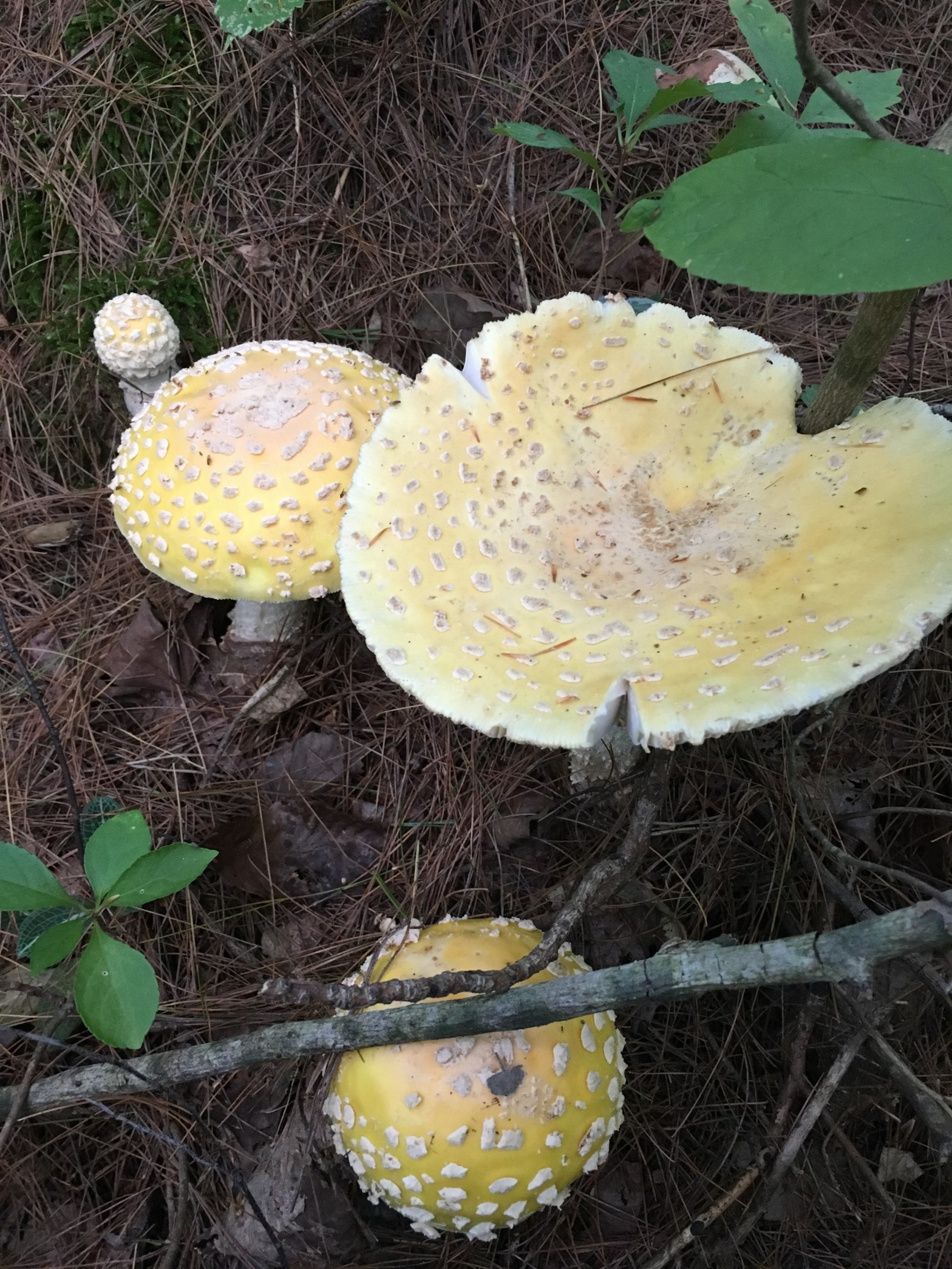
Like “polypore,” “agaric” can be interpreted in two ways. Firstly, morphologically, to refer to any mushroom with the typical mushroom shape—a stem, cap, and gills. It can also be interpreted phylogenetically, to refer to the Order Agaricales. Way back in the days of Linnaeus, when mushrooms were classified macroscopically, these two meanings were equivalent. ButContinue reading “Mushroom Lingo #10: Agaric”
 recycled paper clips