
A major obstacle to identifying trees by bark is that the bark can look very different at different stages of the lifecycle. Guidebooks usually show only the bark at full maturity, which can make it difficult to identify younger trees and leaves out a fascinating metamorphosis.
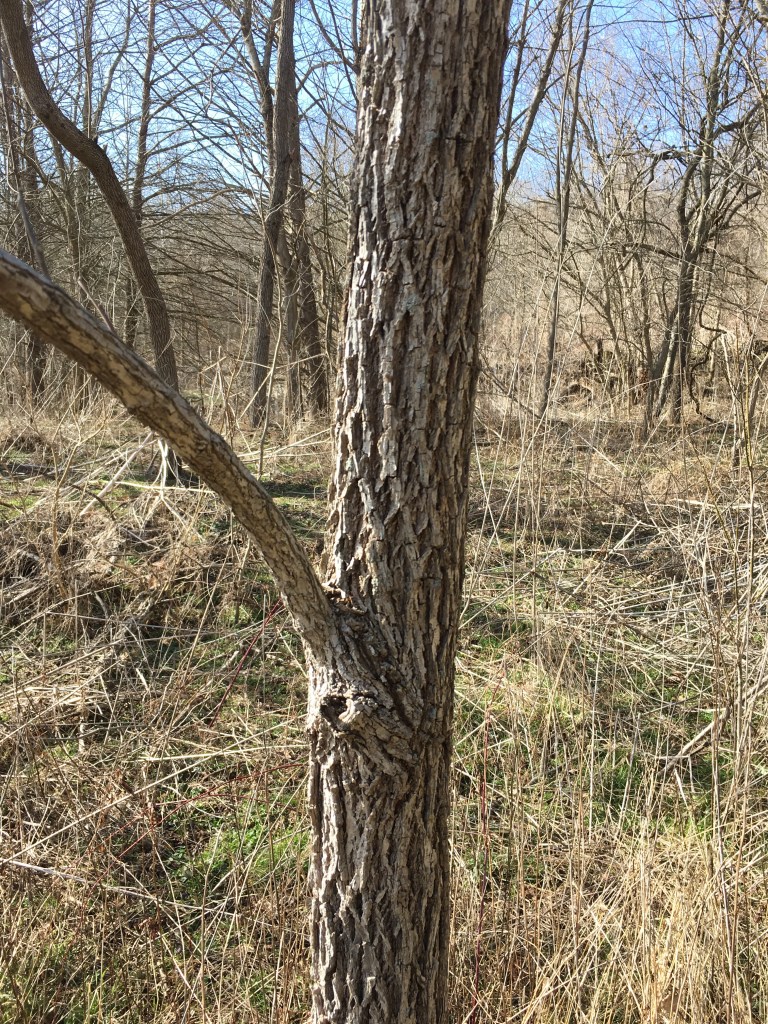
Young walnuts closely resemble their relatives, the hickories. There is a kind of weaving pattern, like a lattice pie crust. The color is a fairly light grey. The furrows are slightly deeper than they would be for most hickories.

As a walnut gets older the bark becomes blockier, and begins almost to resemble sassafras. The furrows end abruptly in horizontal lines. The color changes from grey to an orangish brown. The bark no longer looks anything like a hickory.
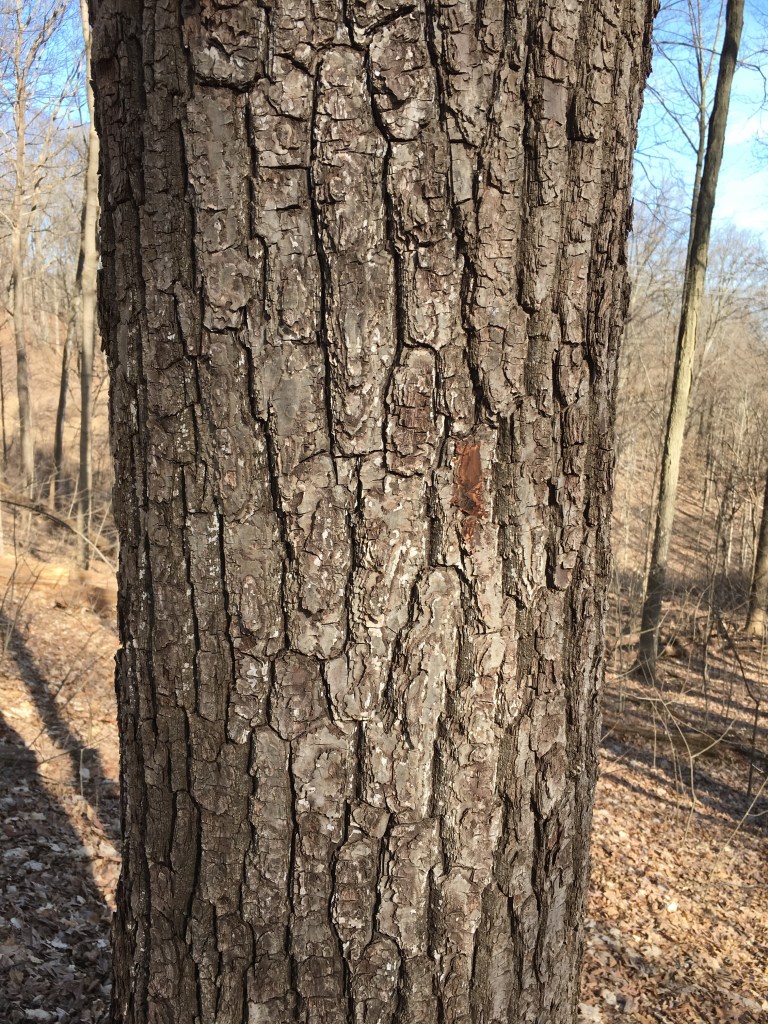
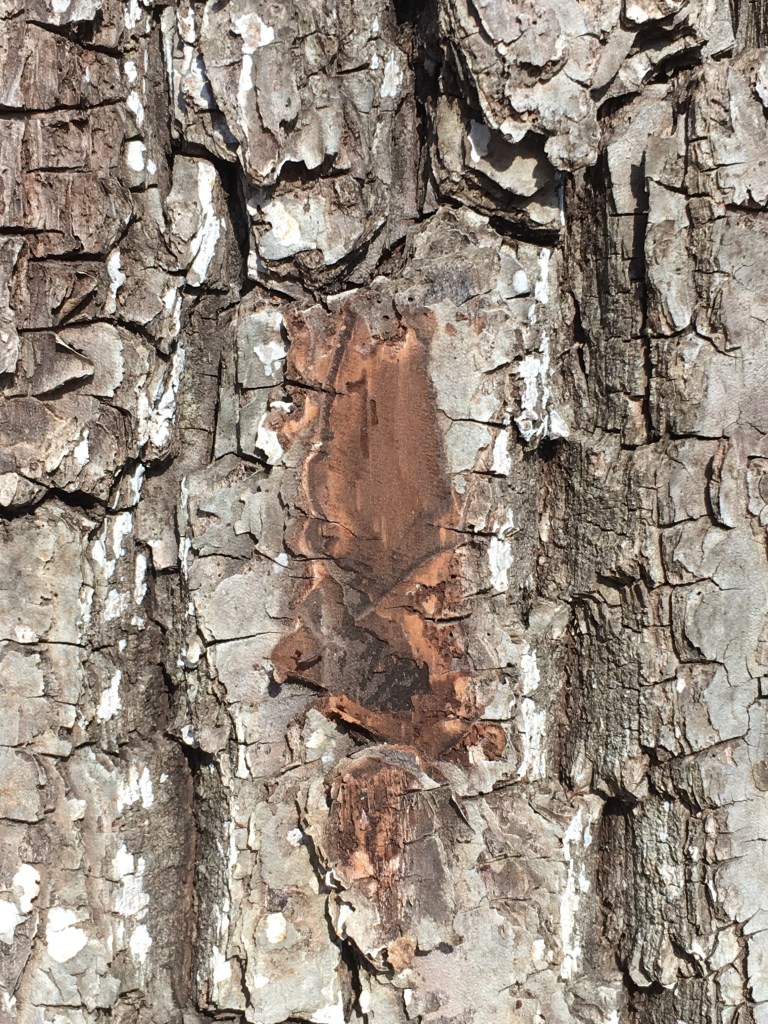
At full size, walnut bark becomes flaky or scabby. This is the easiest part of the cycle to identify. As at every stage of the cycle, the knife test reveals a rich brown layer.
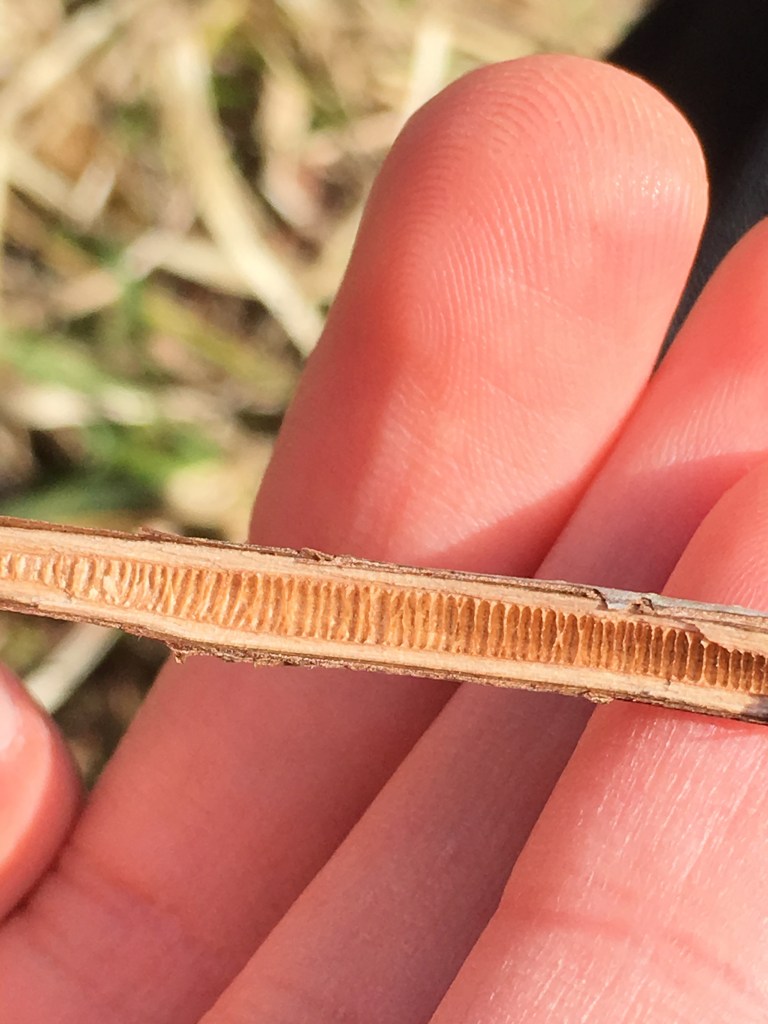
A final note on walnuts. Another distinctive feature is that the twigs have chambered pith. This is more or less unique in the whole plant kingdom. As far as I know, it is unknown why they evolved this unusual structure.
 recycled paper clips
Do you know the benefits of walnut for the brain? We are always exploring foods that are useful for our mental health. Foods that are rich in antioxidants and unsaturated fatty acids can contribute to the neurological and cognitive health of the brain. In examining the antioxidant content of 1113 different foods, walnut is in […]
LikeLike