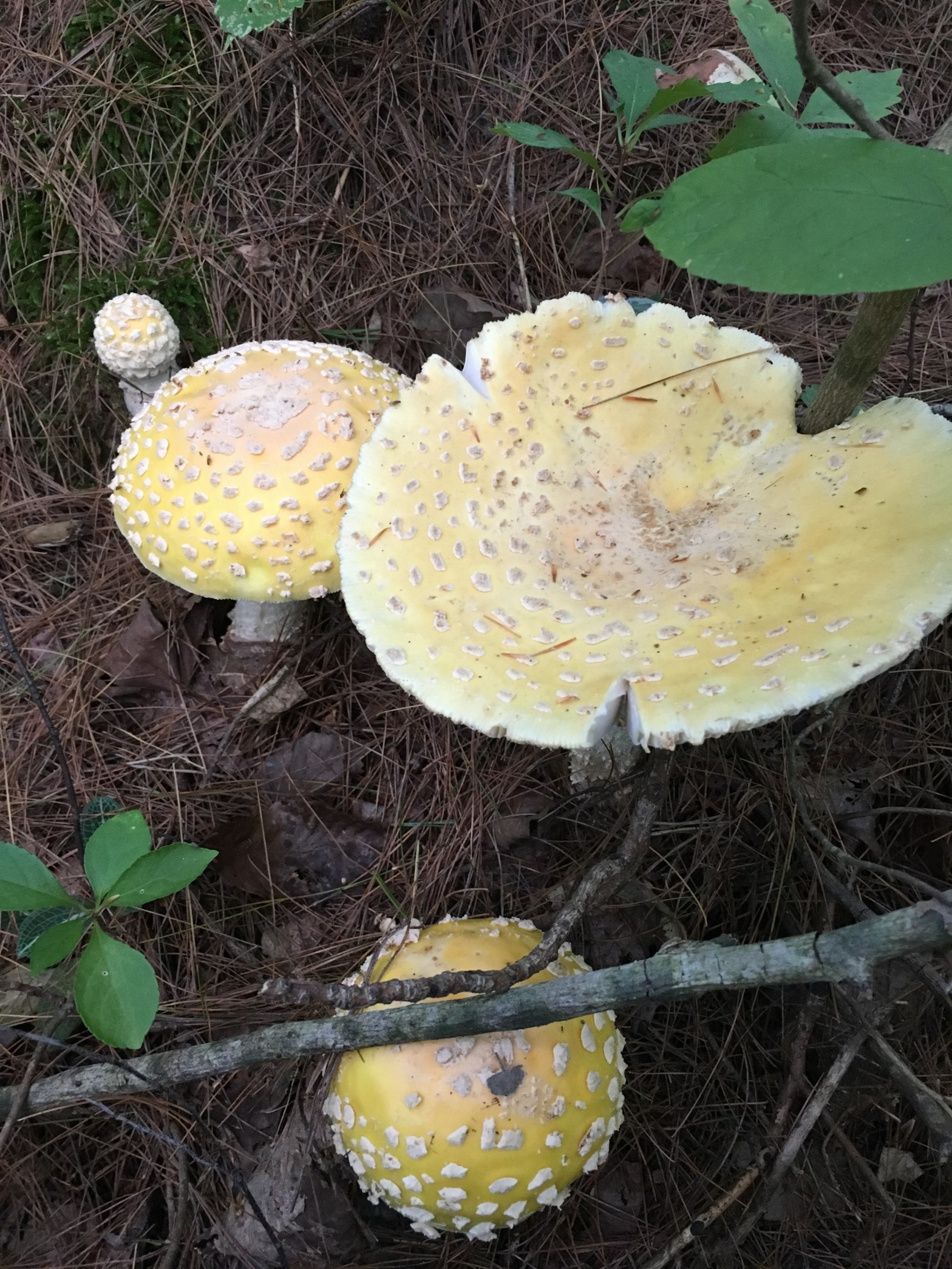
Like “polypore,” “agaric” can be interpreted in two ways. Firstly, morphologically, to refer to any mushroom with the typical mushroom shape—a stem, cap, and gills.
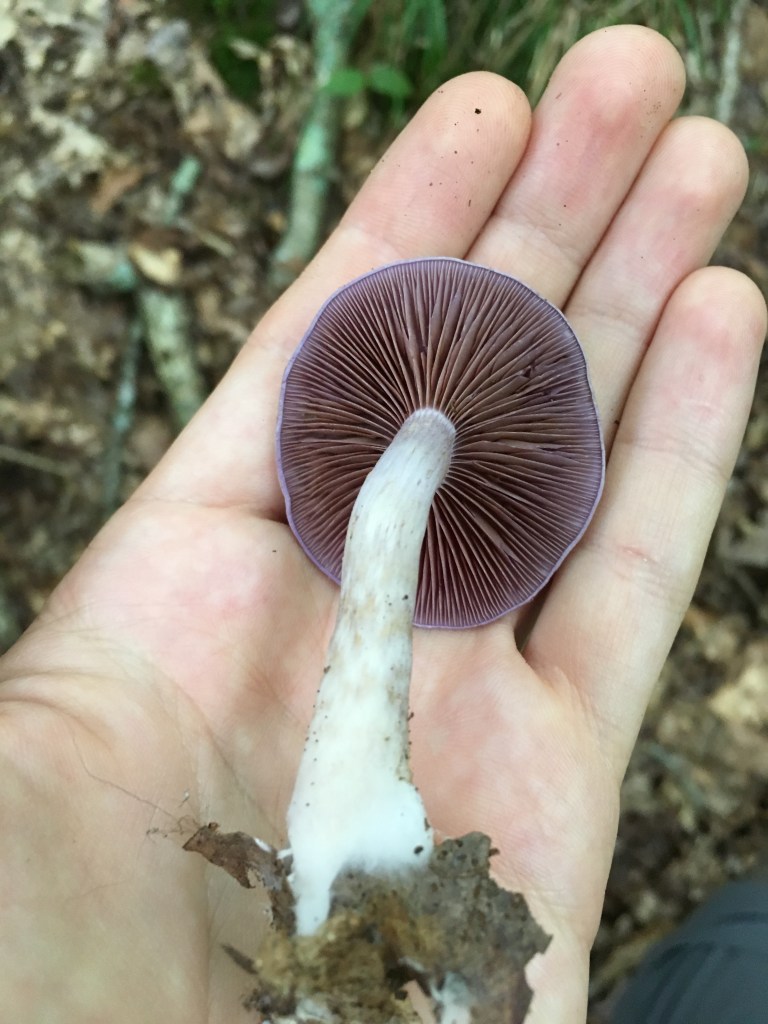
It can also be interpreted phylogenetically, to refer to the Order Agaricales. Way back in the days of Linnaeus, when mushrooms were classified macroscopically, these two meanings were equivalent. But as scientists have reclassified mushrooms based on DNA evidence, the two meanings have grown apart. Nowadays, “agaric” is used mostly as a common name for mushrooms with a stem and gills, and the term “euagaric” is used to refer members of a specific order.
The most famous agaric, which is also the most famous mushroom period, is of course the fly agaric, Amanita muscaria. The iconic European version of this mushroom is a bright red, but there are several variations, including Amanita muscaria var. guessowii (first recognized by the Czech mycologist Rudolf Veselý and named after Hans Güssow, the Canadian who first described it), which is the main variation found in North America, typically in association with conifers.
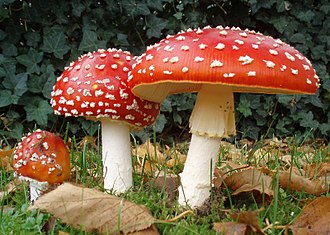
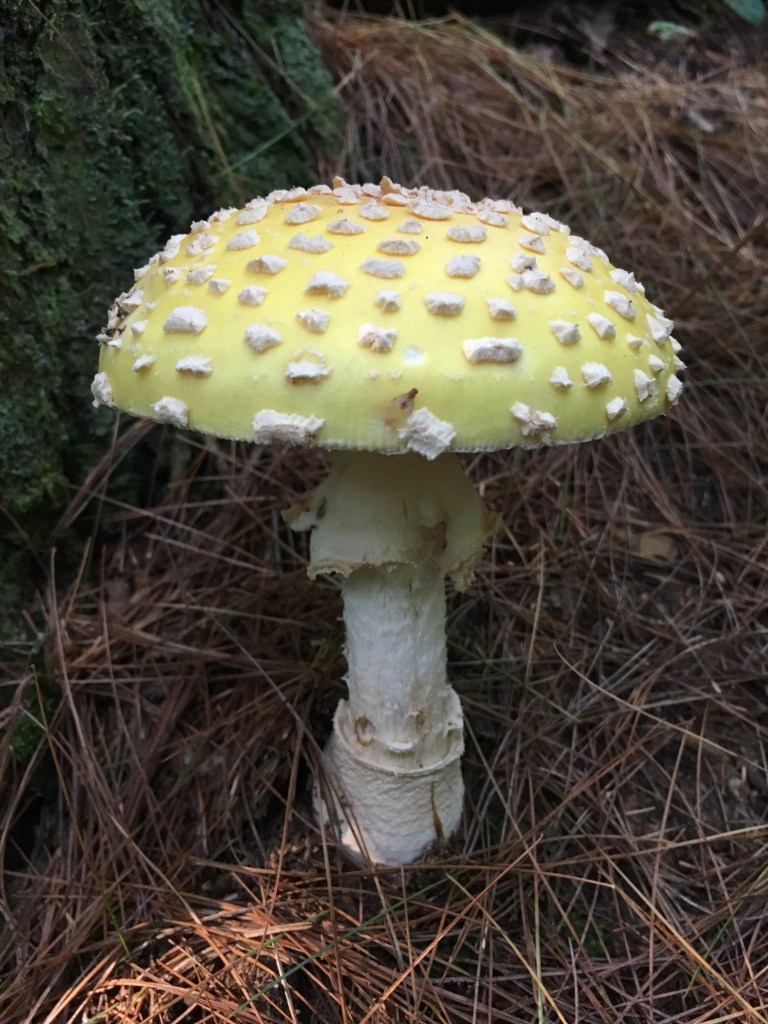
The fly agaric is called that, by the way, because in some countries it is used as a fly trap. Small pieces of the poisonous/hallucinogenic mushroom are placed in milk. The flies are attracted to the milk, become inebriated/poisoned and die—or so I hear.
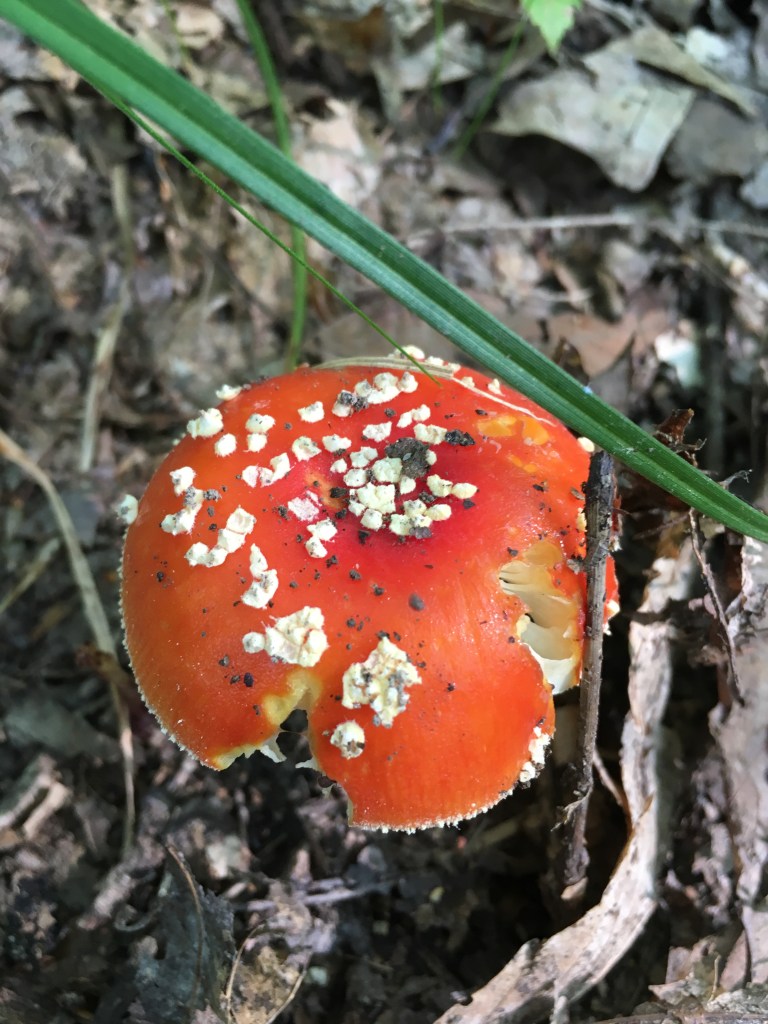
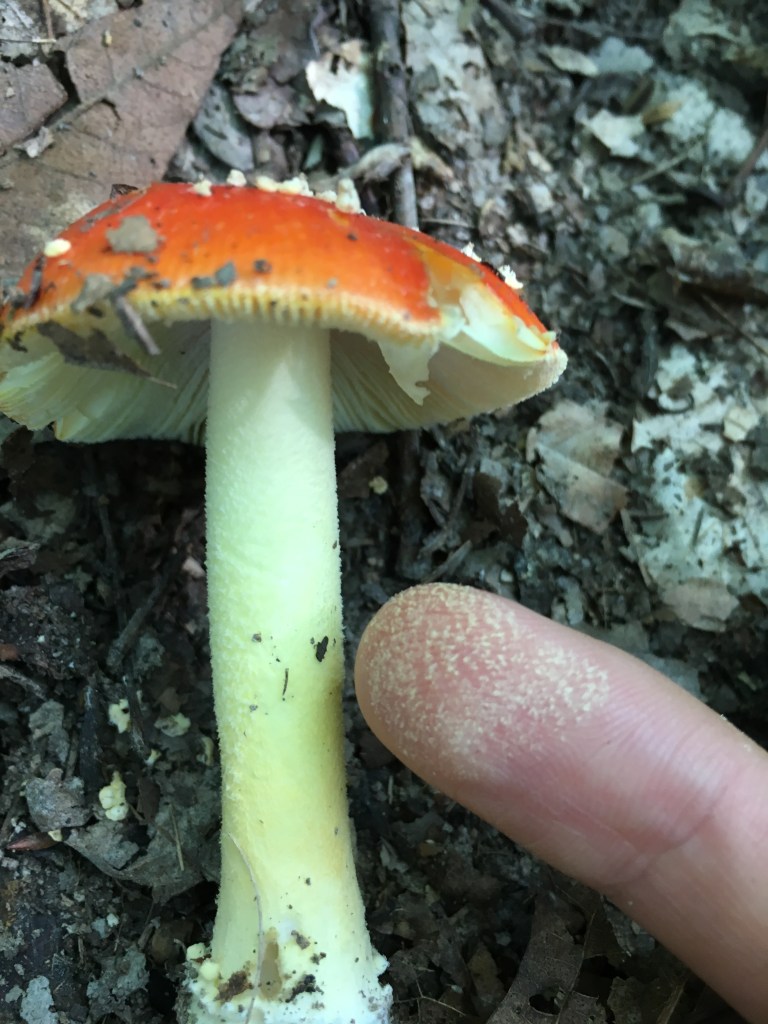
There are a couple mushrooms which look like the iconic red fly agaric, but are not—though they are “agarics.” Most notably, there is Amanita parcivolvata, the False Caesar’s Mushroom, which, despite looking virtually identical seen from above, can be easy distinguished by the absence of a ring on the stem and it’s yellow powdery volval remnants. Besides being the closest thing we have here in North America to the bright red toadstool of European lore, the False Caesar’s Mushroom is an excellent reminder that very few mushrooms can be identified from a single angle—so take more than one picture!
 recycled paper clips
