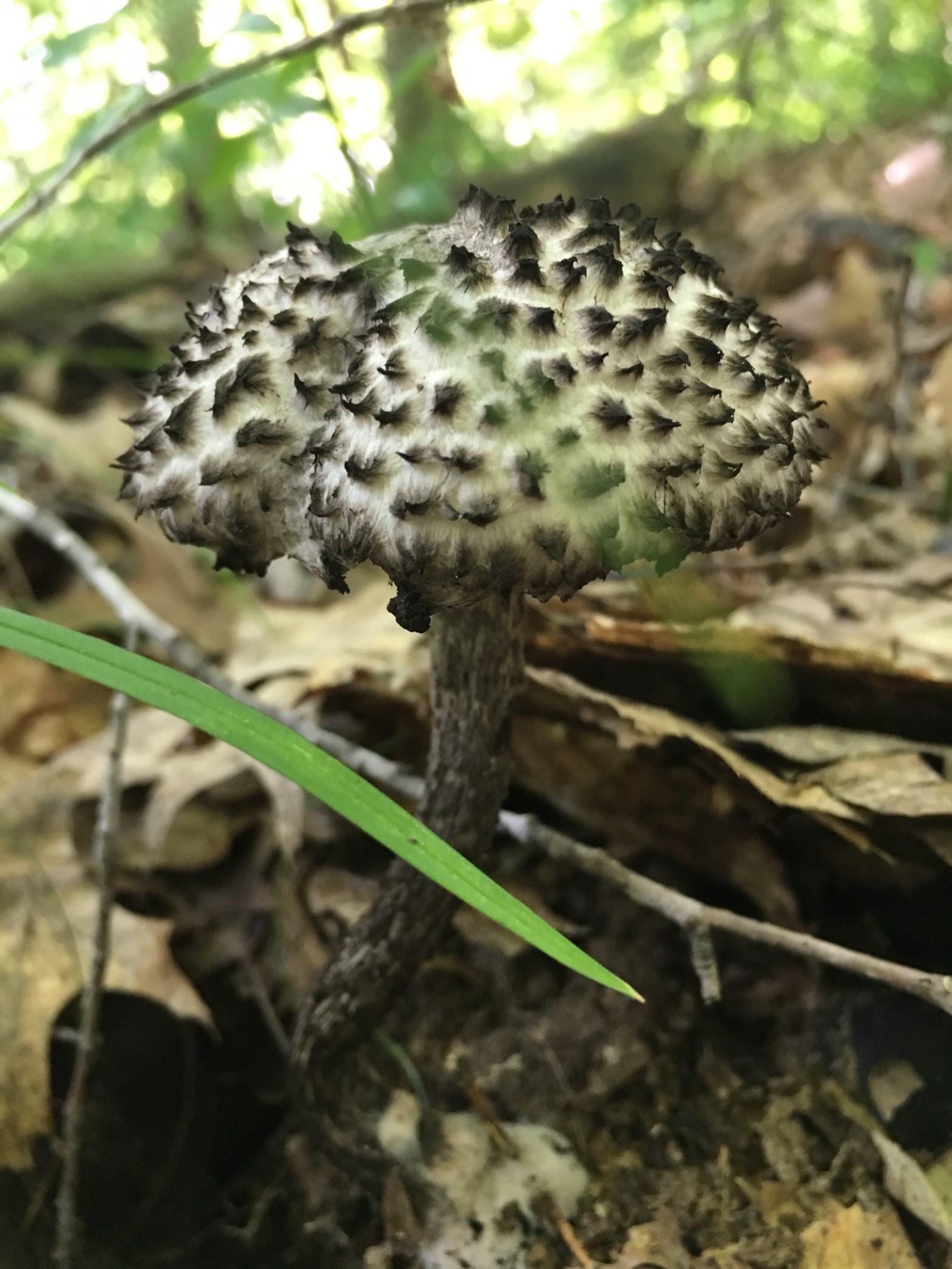
Like “veil,” this word is always a spelling challenge for me, although probably with better reason. Mycorrhizal is pronounced “MY-ko-RYE-zal.” It comes from the Greek words for fungus (“myco”) and root (“rhiza”). A mushroom is mycorrhizal, as opposed to saprobic or parasitic, when it depends on a symbiotic relationship with a plant for survival.

In a previous post I mentioned that most mycorrhizal relationships are between a fungus and a tree, but actually there are two main types of mycorrhiza: Ectomycorrhiza and Endomycorrhiza. Ectomycorrhizal fungi weave a kind of net between plant cells within the root cortex that allows for nutrient exchange. The hyphae of the fungus don’t penetrate the plant cells, rather they encase them, hence “ecto”mycorrhizal. This is the kind of relationship mushroomers are talking about when they call a fungus “mycorrhizal,” and it’s almost always (never say never! especially when it comes to fungi) with a woody plant.
Endomycorrhiza, in contrast, penetrate the cell walls. Evolutionarily speaking, this relationship pre-dates ectomycorrhizae, dating back to when plants first colonized land 400 Million Years ago (or so). Before plants had well developed root systems they may have relied on fungi for obtaining nutrients from soil. Well, actually, they still do rely on fungi for certain nutrients. 80% of plant families form endomycorrhizal relationships with fungi, including many crop species like wheat. It’s just that these ancient fungi belong to a single phylum, Glomeromycota, with only around 230 species—none of which really produce “mushrooms.”
One last note on the coolness of mycorrhizae. At least one mycorrhizal fungus, Laccaria bicolor, has been found to “lure and kill springtails to obtain nitrogen, some of which may then be transferred to the mycorrhizal host plant.1” For those of you who don’t know, springtails are those tiny little maggot-like hexapods that infest morels and other mushrooms. I always thought, poor mushrooms getting eaten up by a bunch of bugs! But it turns out mushrooms are capable of deliberately luring insects in order to paralyze them with toxins and harvest their nitrogen—which is then exchanged through mycorrhizae for the products of photosynthesis. (I still don’t feel bad for the springtails). Check out here for more info.
The practical question of determining whether a mushroom is mycorrhizal or not is trickier than it might at first seem. Many fungi growing apparently from the ground could actually be growing from buried wood. You might have to dig around a bit, and even then it might not be possible to tell. Other times I have found mycorrhizal fungi seemingly growing from or around decaying wood. Old Man of the Woods (picture up top), for example, is a mycorrhizal fungi, but I have often found it growing out from under, or even from dead wood.
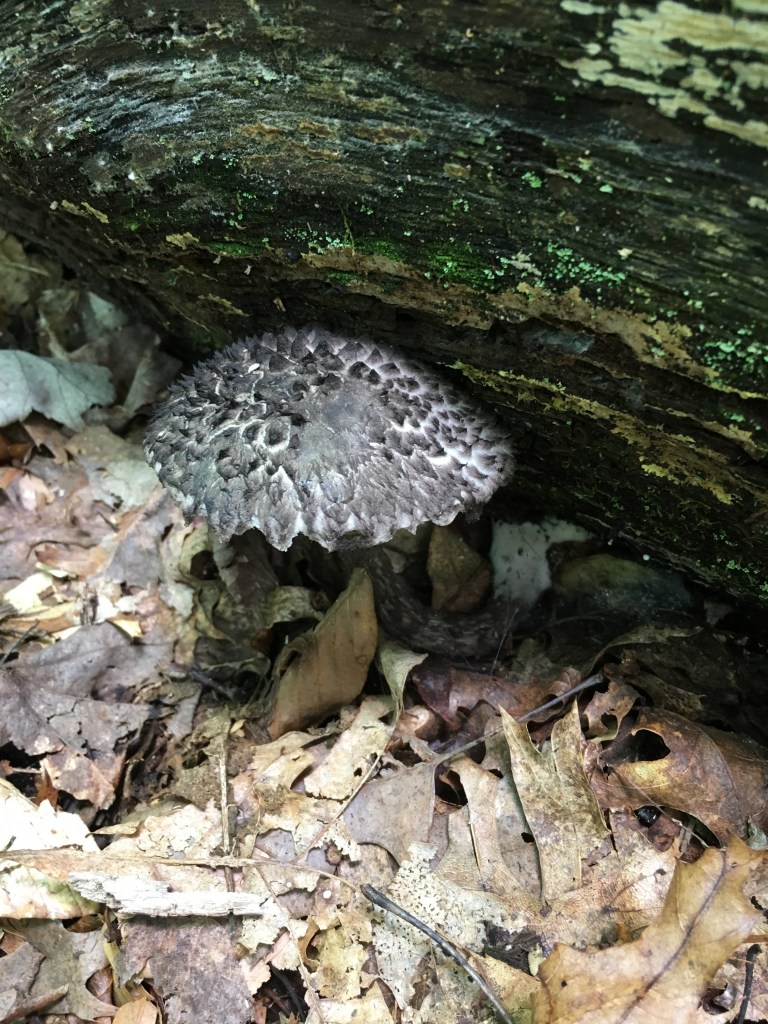
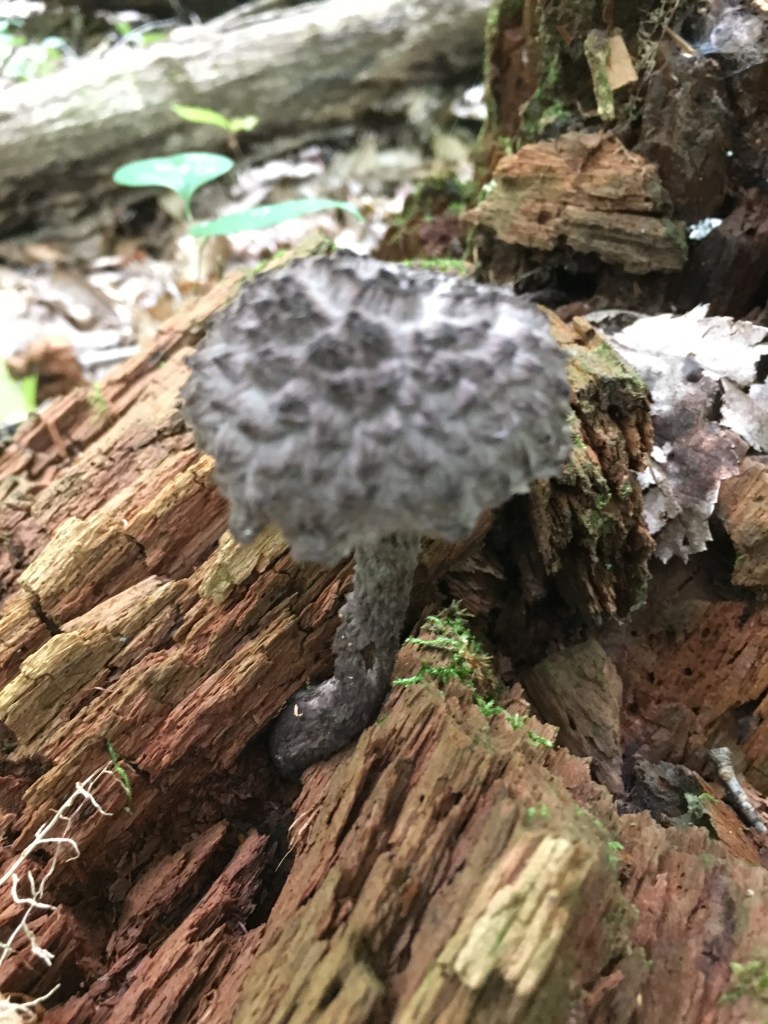
It is totally possible that the same mushroom could play different ecological roles under different conditions, or that a mycorrhizal species could “supplement its income” so to speak by also decaying wood. The best bet for knowing a species to be mycorrhizal is if you find multiple mushrooms of the same species spread out, rather than clustered together as they would be if they were growing from a clump of buried wood.
 recycled paper clips

One thought on “Mushroom Lingo #7: Mycorrhizal”