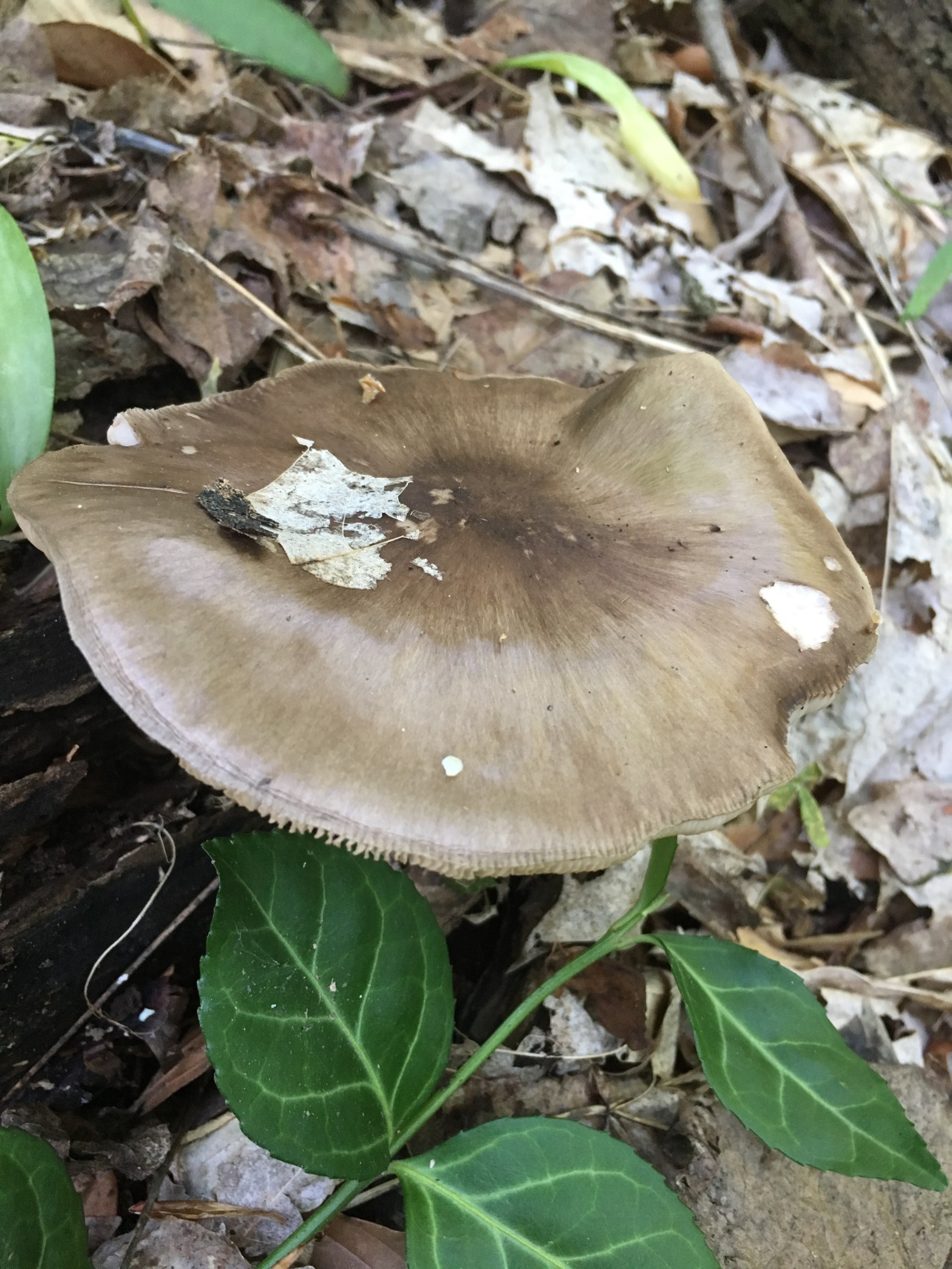
Show anyone you meet out hiking a fairly nondescript brownish-grey mushroom and they’ll probably tell you it’s a “deer mushroom.” But what actually is a deer mushroom, other than a catch-all term for things we can’t otherwise identify?
It’s actually fairly simple. A deer mushroom (Pluteus cervinus) has three key characteristics: 1) it’s growing from decaying wood 2) the gills don’t touch the stem, and 3) the gills turn pinkish with age, and drop a pinkish spore print. Keep in mind though, that what mycologists call “pink” isn’t what most people call pink. Look for a reddish brown or dark salmon color.
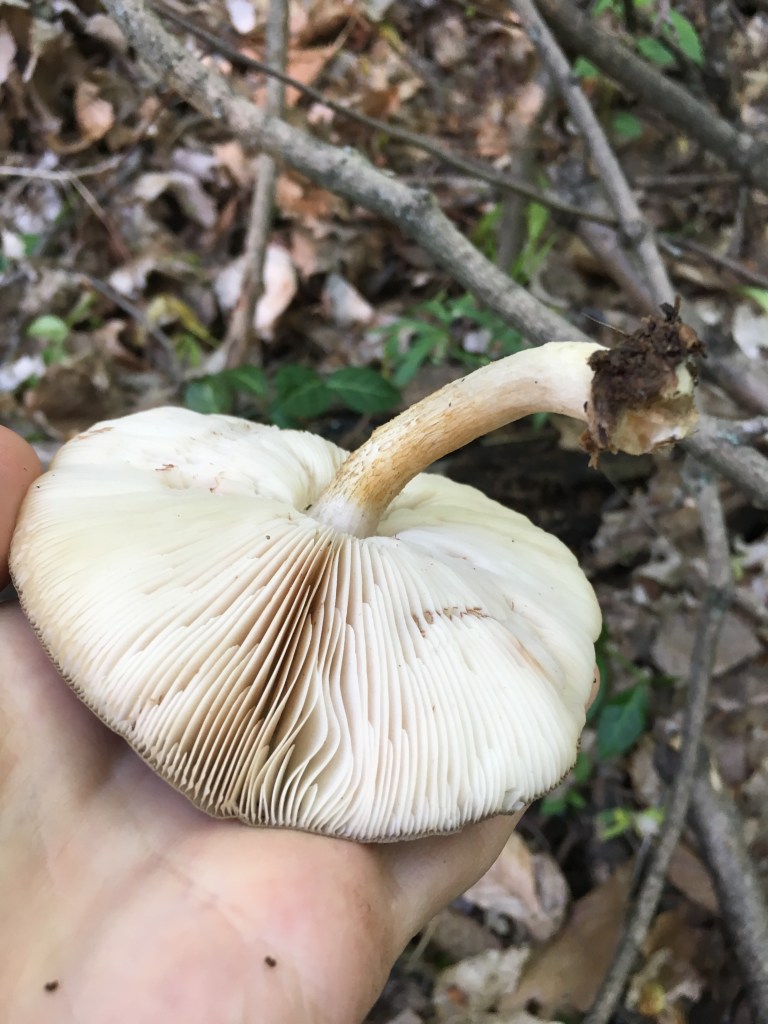
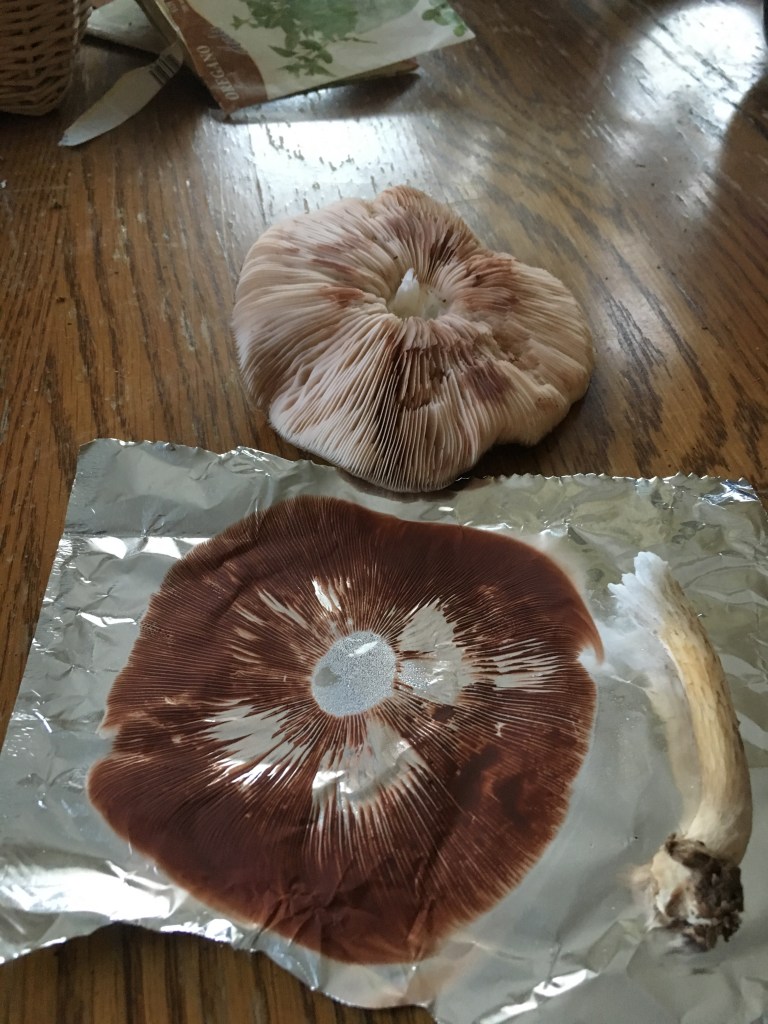
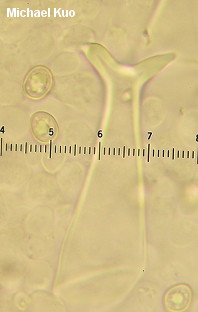
You might be wondering why it’s called a deer mushroom. Do deer eat it, or is it from the brownish-grey color of the cap? In fact, the name comes from a microscopic antler-like feature of the pleurocystidia (I’m not sure what exactly that is either).
A final note: not everything people call a deer mushroom is a deer mushroom. Several species of Entoloma mushrooms (some of which are toxic) look quite similar, at least judging from the cap. Entoloma sinuatum, which is responsible for about 10% of mushroom poisonings in Europe, also has pink gills and a brown cap. The key difference is that Entoloma mushrooms grow from the ground, not decaying wood, and that their gills touch the stem.
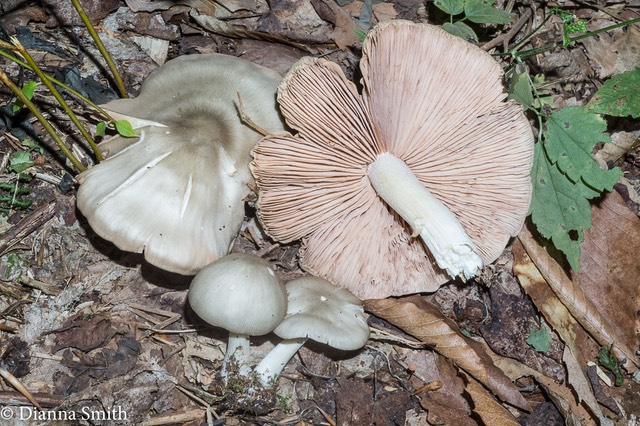
Note that the gills go all the way to the stem!
 recycled paper clips