Taking a break from hiking this week, to learn about three things growing in my backyard (and probably yours).
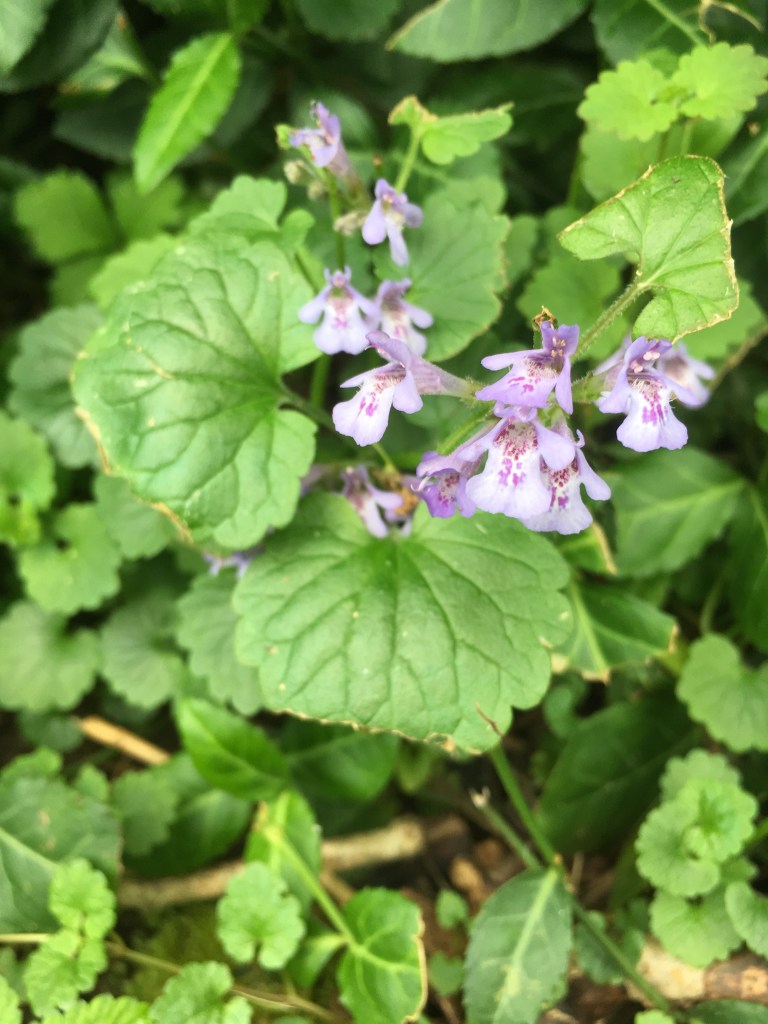
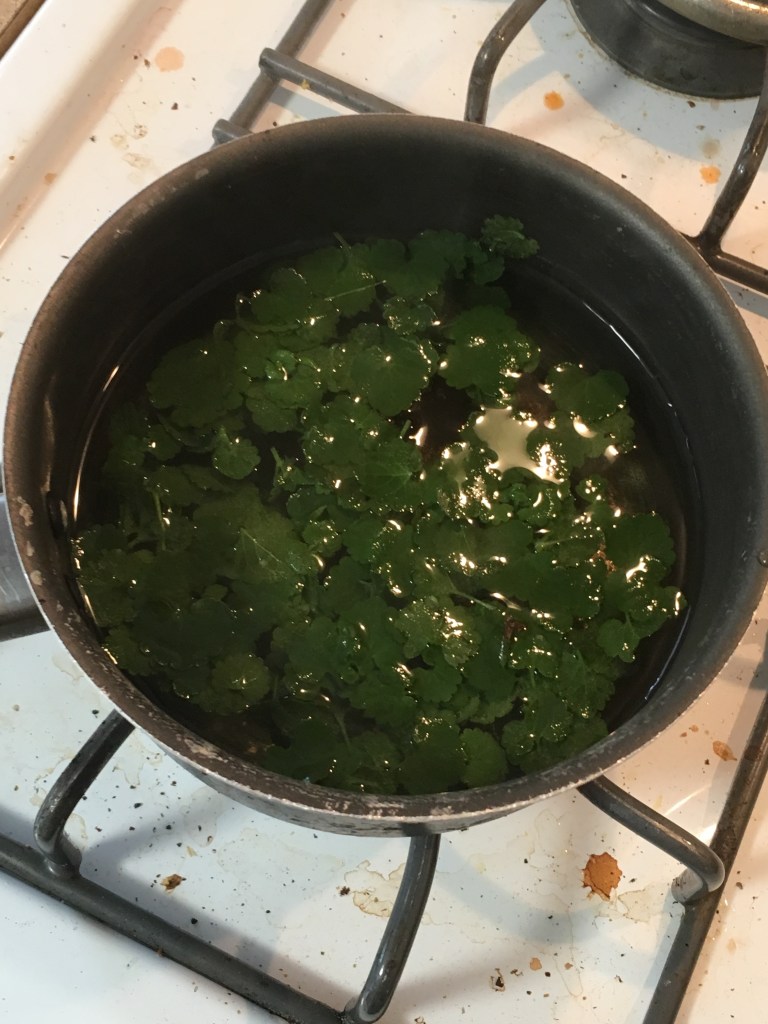
Number 1: Glechoma hederacea, aka “creeping charlie,” “ground ivy,” “alehoof,” “catsfoot,” “field balm,” “Couronne de Terre,” “Run away robin” etc, etc… As its many, many names suggest, this weed has been a part of human life for a long time. Before the widespread use of hops, “alehoof” was used in the brewing of beer. If you are curious what Saxon beer tasted like, here’s a hint. It was also used in traditional medicine as a remedy for “ache in the huckle bone,” whatever that means. For more info see WebMD: https://www.webmd.com/vitamins/ai/ingredientmono-26/ground-ivy I have used it for tea, which I would say is better than passable.
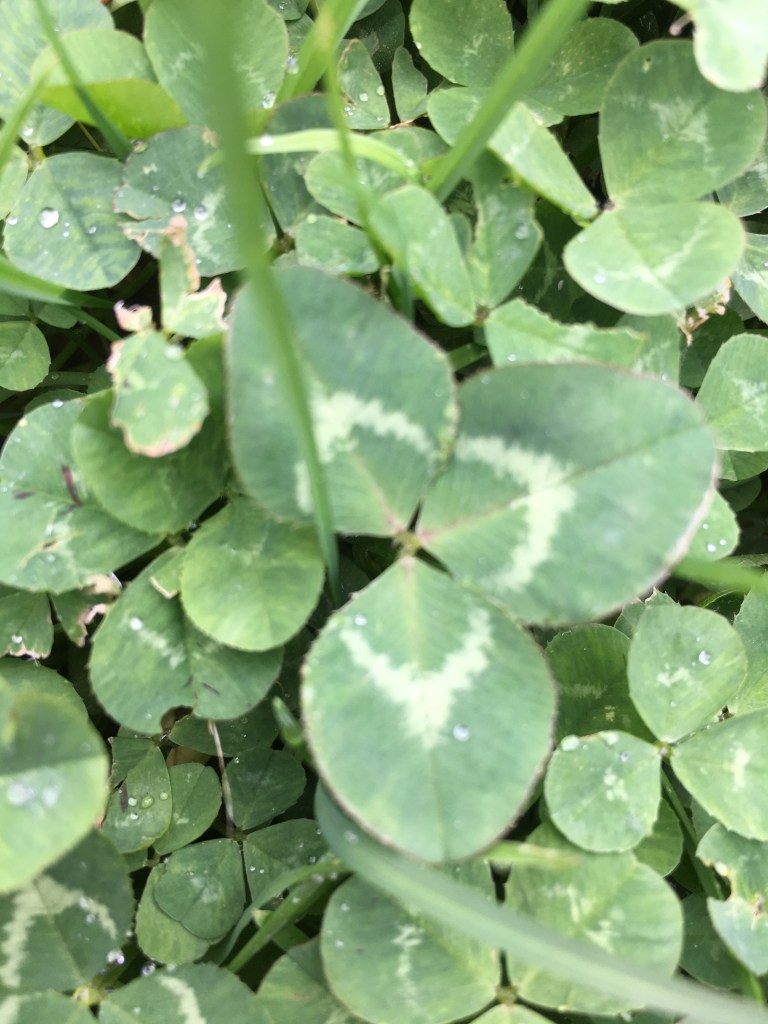
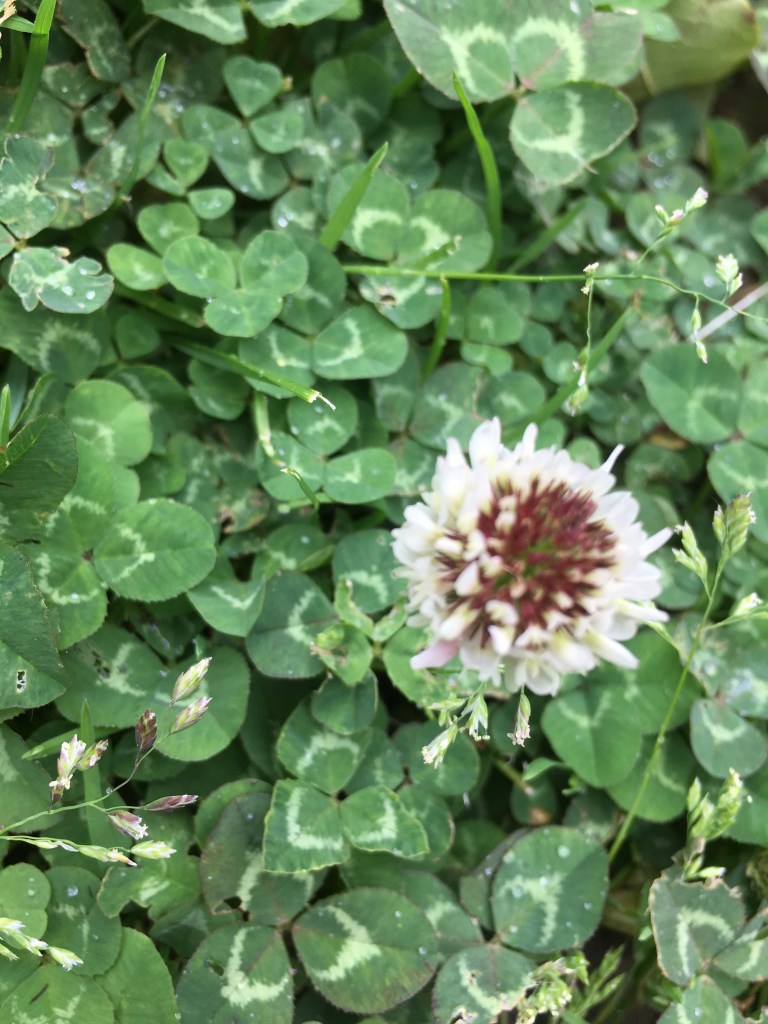
Number 2: White Clover. Again, this is a plant native to the British Isles. Look no further than your lawn for the signatures of our British past. White clover is also edible, being apparently high in proteins. The dried flowers have even been used as an alternative to tobacco (haven’t tried this one yet).
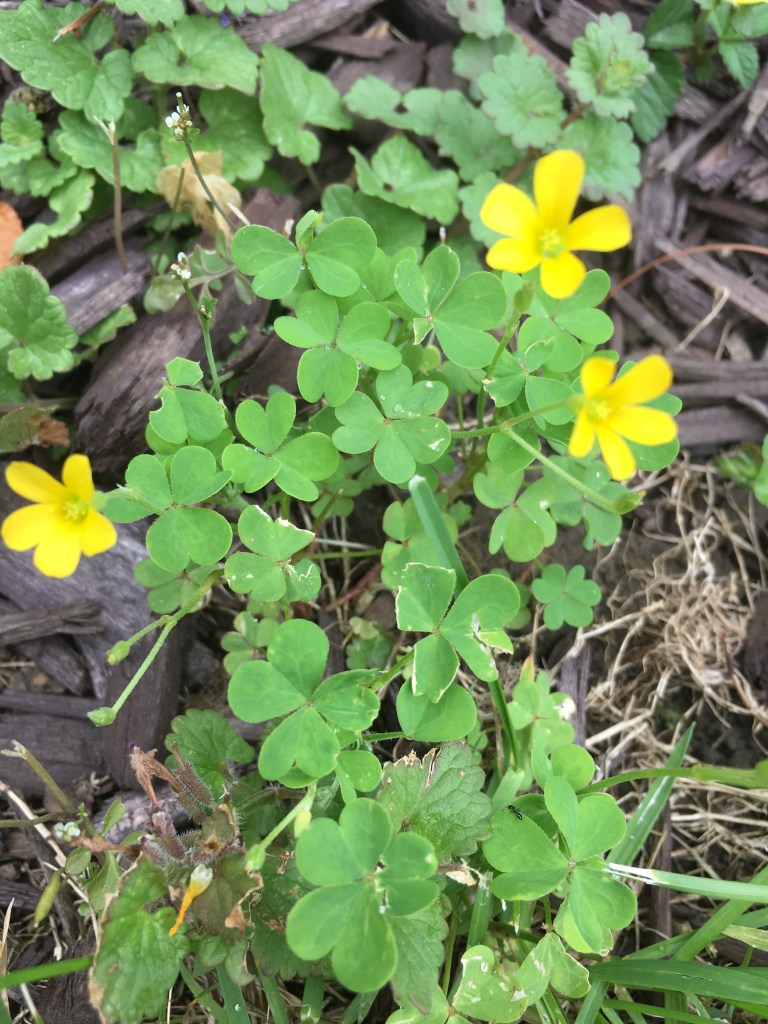
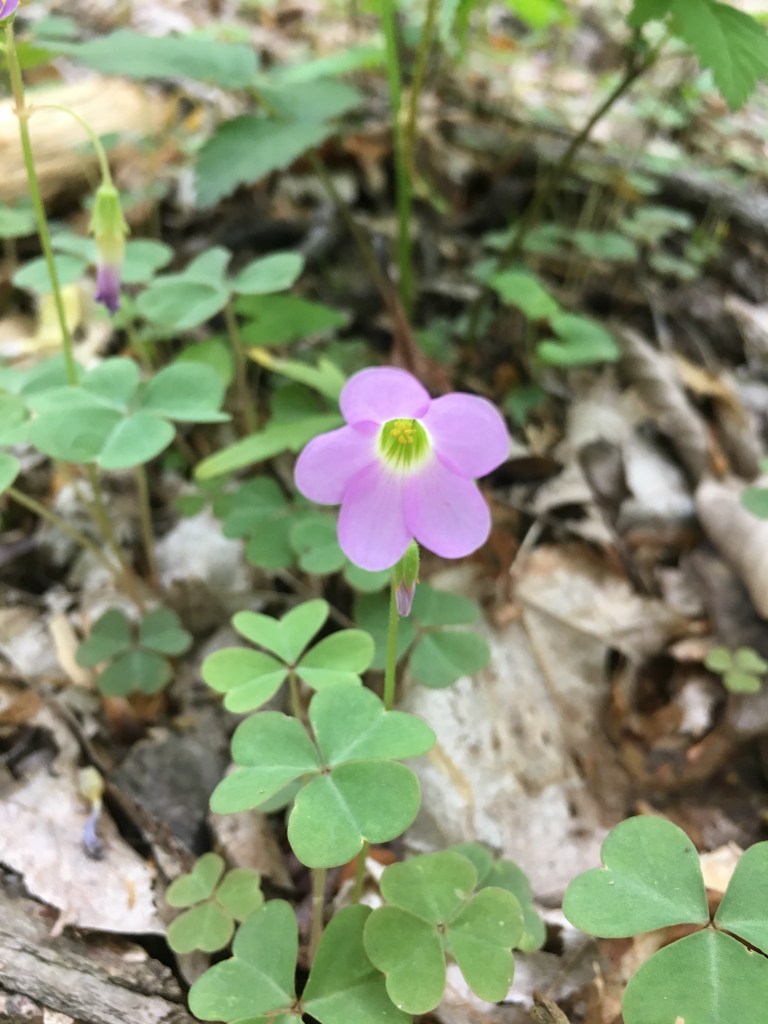
Number 3: A plant that could almost be mistaken for white clover: Yellow Woodsorrel. Out in the woods I tend to see violet woodsorrel, and in the city, for whatever reason yellow. Like white clover it has tree leaflets, but they are more heart-shaped. Also they tend to droop. This one is actually native to North America, and I’d say it’s rather desirable as far as “weeds” go. The taste is sour (it’s also called “pickle plant or sourgrass) in a pleasant, tangy kind of way. It was used by Native Americans to quench thirst and also makes a good tea, or even syrup. You shouldn’t eat too much of it though, because oxalic acid inhibits the body’s absorption of calcium.
 recycled paper clips